THE ADVENTURE COLLECTIVE® · Independent discovery and booking for outdoor travel

Cross Kyrgyzstan by sturdy 4x4 on a six-day private loop from Bishkek to high pasture lake Son-Kol, the caravanserai of Tash-Rabat, and Konorchek Canyon. Expect remote roads, yurt camps with no electricity, and intimate cultural encounters with nomadic families.
Cross Kyrgyzstan by sturdy 4x4 on a six-day private loop from Bishkek to high pasture lake Son-Kol, the caravanserai of Tash-Rabat, and Konorchek Canyon. Expect remote roads, yurt camps with no electricity, and intimate cultural encounters with nomadic families.
You climb into a strong SUV in Bishkek and watch the city recede as the Chuy Valley opens its arms: scrubby steppe giving way to apple-scented meadows, then dark conifer bands climbing toward jagged passes. The road becomes a ribbon of dust and rock; the vehicle hums, and the horizon keeps rearranging itself—Burana’s red-brick tower standing like an ancient marker, the Chon-Kemin river daring you to follow it deeper into fir forests, and the flat, sudden mirror of Son-Kol under a sky that feels impossibly close.
Verified experiences and guided adventures in the surrounding area.
Operated by Offroad tour Kyrgyzstan · Bishkek, Chuy Region
You climb into a strong SUV in Bishkek and watch the city recede as the Chuy Valley opens its arms: scrubby steppe giving way to apple-scented meadows, then dark conifer bands climbing toward jagged passes. The road becomes a ribbon of dust and rock; the vehicle hums, and the horizon keeps rearranging itself—Burana’s red-brick tower standing like an ancient marker, the Chon-Kemin river daring you to follow it deeper into fir forests, and the flat, sudden mirror of Son-Kol under a sky that feels impossibly close.
This route traces centuries of Silk Road movement and nomadic life. Burana Tower and the Tash-Rabat caravanserai are tangible echoes of medieval trade; Konorchek Canyon records eons of erosion cut into volcanic sediments. Culturally, the itinerary moves from Soviet-era towns to family-run felt workshops and remote yurt camps where nightly routines remain largely unchanged: tea, boiled mutton, and storytelling beneath a raw, star-studded ceiling.
Practically, expect long drives on unpaved roads, two high passes (Moldo-Ashuu and another mountain saddle), and basic comforts at yurt camps—often no grid electricity or mobile signal. Altitude at Son-Kol and Tash-Rabat can affect breathing; pack layers, sun protection, and a good sleeping liner. Bring cash for small museum entries and felt workshops, and plan flexible timing for photo stops, horse rides, and local interactions. The trip rewards patience: wide views, close cultural encounters, and a raw sense of how landscape and nomadic life continue to shape Kyrgyz identity.
Most yurt camps on this route are off-grid with limited or no electricity; some provide solar lighting or battery charging for small devices, but plan accordingly.
Horse rides are optional and guided; basic riding is suitable for beginners, but skilled riding for long distances is not required.
Altitudes are moderate to high—spend the first day easy, stay hydrated, avoid heavy exertion on day one, and notify guides of any symptoms of altitude sickness.
Local meals are typically provided as described in the itinerary; notify the operator in advance about dietary restrictions so hosts can prepare alternatives.
Offroad tour Kyrgyzstan operates guided outdoor trips and adventures with an emphasis on safety, stewardship, and memorable experiences.
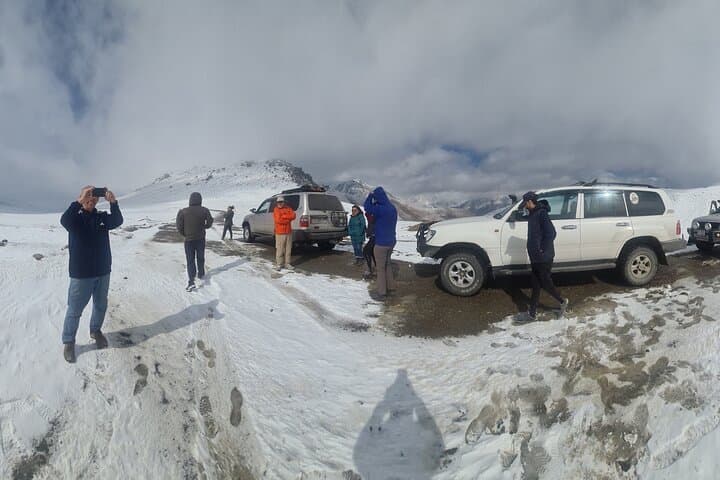
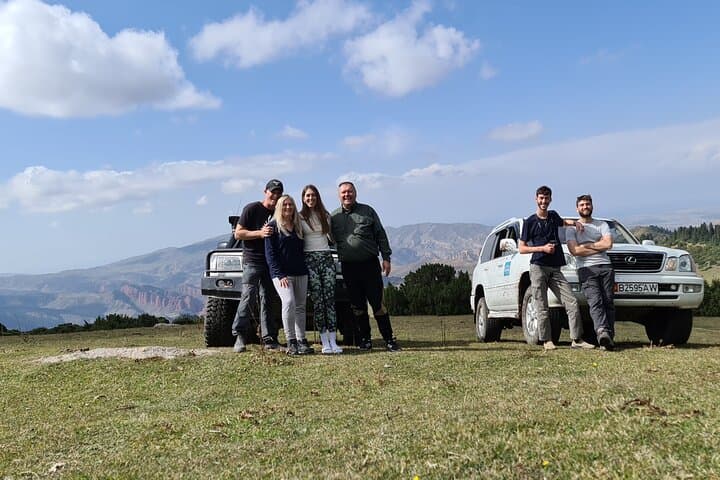
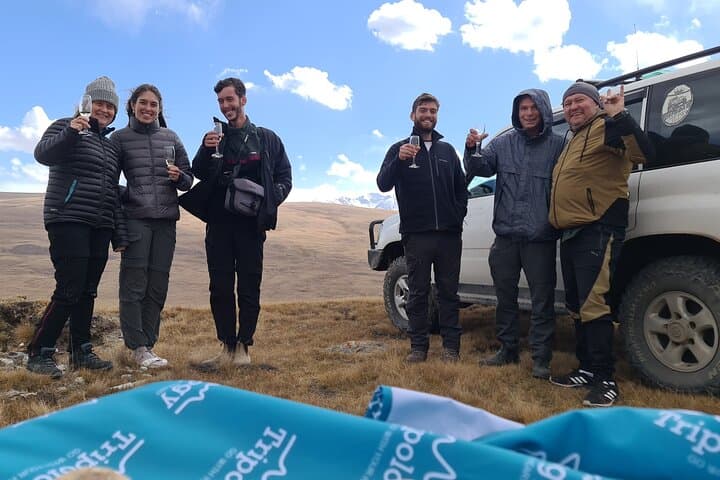
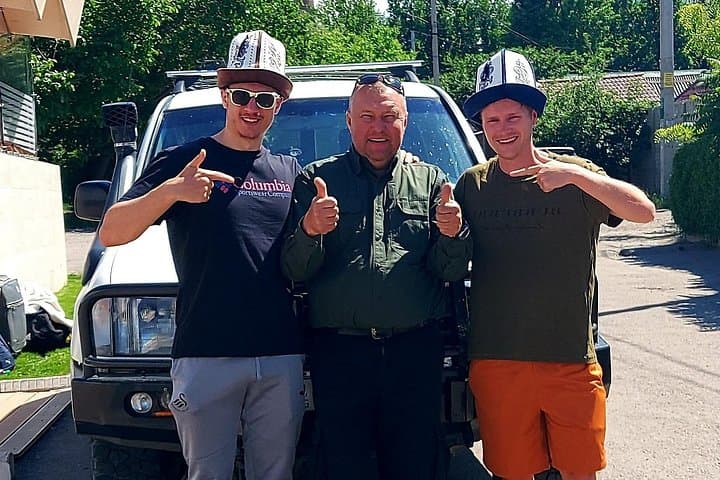
You climb into a strong SUV in Bishkek and watch the city recede as the Chuy Valley opens its arms: scrubby steppe giving way to apple-scented meadows, then dark conifer bands climbing toward jagged passes. The road becomes a ribbon of dust and rock; the vehicle hums, and the horizon keeps rearranging itself—Burana’s red-brick tower standing like an ancient marker, the Chon-Kemin river daring you to follow it deeper into fir forests, and the flat, sudden mirror of Son-Kol under a sky that feels impossibly close.
You climb into a strong SUV in Bishkek and watch the city recede as the Chuy Valley opens its arms: scrubby steppe giving way to apple-scented meadows, then dark conifer bands climbing toward jagged passes. The road becomes a ribbon of dust and rock; the vehicle hums, and the horizon keeps rearranging itself—Burana’s red-brick tower standing like an ancient marker, the Chon-Kemin river daring you to follow it deeper into fir forests, and the flat, sudden mirror of Son-Kol under a sky that feels impossibly close.
This route traces centuries of Silk Road movement and nomadic life. Burana Tower and the Tash-Rabat caravanserai are tangible echoes of medieval trade; Konorchek Canyon records eons of erosion cut into volcanic sediments. Culturally, the itinerary moves from Soviet-era towns to family-run felt workshops and remote yurt camps where nightly routines remain largely unchanged: tea, boiled mutton, and storytelling beneath a raw, star-studded ceiling.
Practically, expect long drives on unpaved roads, two high passes (Moldo-Ashuu and another mountain saddle), and basic comforts at yurt camps—often no grid electricity or mobile signal. Altitude at Son-Kol and Tash-Rabat can affect breathing; pack layers, sun protection, and a good sleeping liner. Bring cash for small museum entries and felt workshops, and plan flexible timing for photo stops, horse rides, and local interactions. The trip rewards patience: wide views, close cultural encounters, and a raw sense of how landscape and nomadic life continue to shape Kyrgyz identity.