THE ADVENTURE COLLECTIVE® · Independent discovery and booking for outdoor travel

A six-day 4x4 circuit from Tunis that stitches Roman ruins, Berber ksours and Matmata’s troglodyte dwellings with island life on Djerba. Expect long drives, distinctive local architecture and hands-on cultural moments.
A six-day 4x4 circuit from Tunis that stitches Roman ruins, Berber ksours and Matmata’s troglodyte dwellings with island life on Djerba. Expect long drives, distinctive local architecture and hands-on cultural moments.
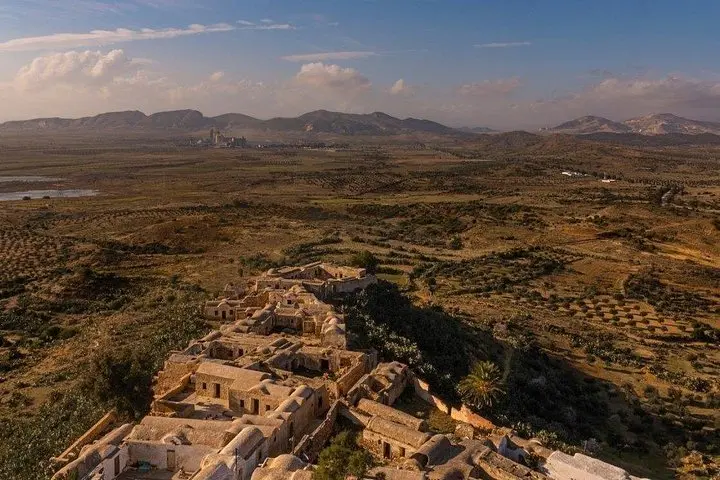
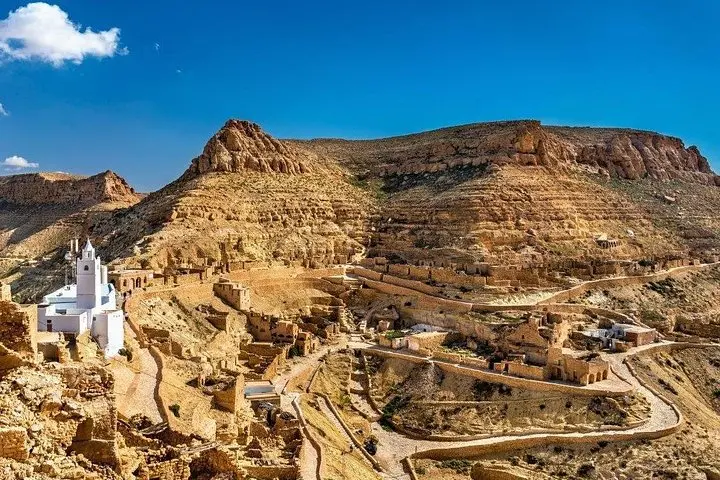
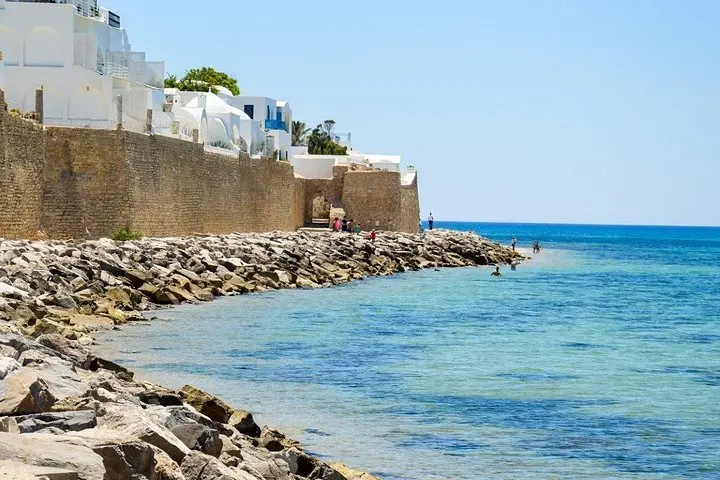
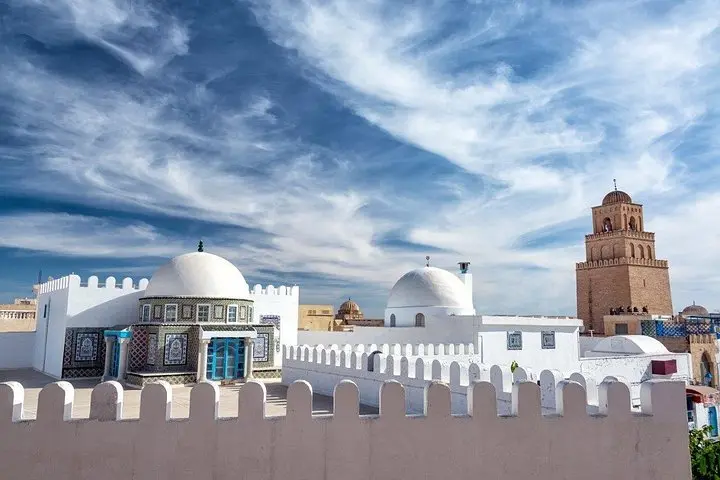
You climb into a shared 4x4 at dawn in Tunis and the city’s minarets slide behind you while the road opens south—olive groves, scrub, and the low, ochre ridges that mark the edge of the Sahara. Over six days the landscape changes like chapters: Roman stone at El Djem, the bowl-shaped caverns of Matmata, perched Berber ksours around Tataouine and the wind-polished white towns of Djerba.
Verified experiences and guided adventures in the surrounding area.
Operated by TUI Tunisia S.A. · Tunis, Tunis Governorate
You climb into a shared 4x4 at dawn in Tunis and the city’s minarets slide behind you while the road opens south—olive groves, scrub, and the low, ochre ridges that mark the edge of the Sahara. Over six days the landscape changes like chapters: Roman stone at El Djem, the bowl-shaped caverns of Matmata, perched Berber ksours around Tataouine and the wind-polished white towns of Djerba.
This route threads history and geology. El Djem’s amphitheatre speaks to Roman logistics and regional grain wealth; the troglodyte homes around Matmata are cut into soft sedimentary deposits to moderate temperature; ksours (fortified granaries) reflect a defensive, community-based Berber architecture adapted to ridgelines and scarce water. Djerba carries another layer—a long-standing Jewish presence centered on El Ghriba synagogue and island crafts like Guellala pottery.
Expect mostly paved highway with occasional rough tracks to reach remote ksours; total driving accumulates across long days (several segments of 4–6 hours). Vehicles are shared 4x4s (max ~6 passengers), and accommodations range from 4–5 star hotels to a troglodyte-style guesthouse.
Practical angle: travel light, pack sun protection and modest clothing for religious sites, and plan flights after mid-afternoon on day six. Hydration and layered clothing matter—heat by day, cool nights inland. Bring comfortable walking shoes for uneven village lanes and short hikes. This is a cultural road journey: speedy enough to cover ground, slow enough to meet makers, guides and local life along the way.
Expect multiple long transfers; itinerary segments include drives of 1–8 hours per day with the largest inter-leg days around 450–510 km.
The tour includes five nights’ accommodation and most meals (breakfast and selected lunches/dinners) plus indicated entrance fees in the itinerary.
The operator allows infants (they typically sit on laps) and lists the tour as suitable for all fitness levels, but long transfers can be tiring for very young children.
A valid passport is required; check visa rules for your nationality and follow standard travel health advice—no special vaccinations are universally mandated, but consult your provider.
TUI Tunisia S.A. operates guided outdoor trips and adventures with an emphasis on safety, stewardship, and memorable experiences.
You climb into a shared 4x4 at dawn in Tunis and the city’s minarets slide behind you while the road opens south—olive groves, scrub, and the low, ochre ridges that mark the edge of the Sahara. Over six days the landscape changes like chapters: Roman stone at El Djem, the bowl-shaped caverns of Matmata, perched Berber ksours around Tataouine and the wind-polished white towns of Djerba.
You climb into a shared 4x4 at dawn in Tunis and the city’s minarets slide behind you while the road opens south—olive groves, scrub, and the low, ochre ridges that mark the edge of the Sahara. Over six days the landscape changes like chapters: Roman stone at El Djem, the bowl-shaped caverns of Matmata, perched Berber ksours around Tataouine and the wind-polished white towns of Djerba.
This route threads history and geology. El Djem’s amphitheatre speaks to Roman logistics and regional grain wealth; the troglodyte homes around Matmata are cut into soft sedimentary deposits to moderate temperature; ksours (fortified granaries) reflect a defensive, community-based Berber architecture adapted to ridgelines and scarce water. Djerba carries another layer—a long-standing Jewish presence centered on El Ghriba synagogue and island crafts like Guellala pottery.
Expect mostly paved highway with occasional rough tracks to reach remote ksours; total driving accumulates across long days (several segments of 4–6 hours). Vehicles are shared 4x4s (max ~6 passengers), and accommodations range from 4–5 star hotels to a troglodyte-style guesthouse.
Practical angle: travel light, pack sun protection and modest clothing for religious sites, and plan flights after mid-afternoon on day six. Hydration and layered clothing matter—heat by day, cool nights inland. Bring comfortable walking shoes for uneven village lanes and short hikes. This is a cultural road journey: speedy enough to cover ground, slow enough to meet makers, guides and local life along the way.