THE ADVENTURE COLLECTIVE® · Independent discovery and booking for outdoor travel

Move from the Giza Plateau to the Nile's slow pulse in Luxor on a compact six-day circuit that covers the Pyramids, Saqqara, Karnak and the Valley of the Kings. Practical tips and timing help you see the highlights while avoiding the heat and crowds.
Move from the Giza Plateau to the Nile's slow pulse in Luxor on a compact six-day circuit that covers the Pyramids, Saqqara, Karnak and the Valley of the Kings. Practical tips and timing help you see the highlights while avoiding the heat and crowds.
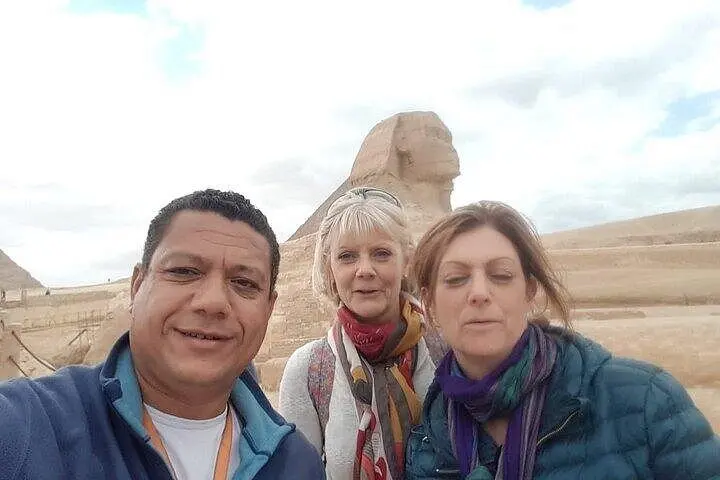
Morning light slices across the Giza Plateau; wind-scoured sand steps up against the silhouettes of Cheops, Chephren and Mycerinus, and the city beyond hums with traffic and call to prayer. On this six-day circuit you move from that ancient stone grammar to the slow, green pulse of the Nile at Luxor, trading plateaus for temple colonnades and tomb-lined valleys.
Verified experiences and guided adventures in the surrounding area.
Operated by Hola Egipto · Giza, Cairo Governorate
Morning light slices across the Giza Plateau; wind-scoured sand steps up against the silhouettes of Cheops, Chephren and Mycerinus, and the city beyond hums with traffic and call to prayer. On this six-day circuit you move from that ancient stone grammar to the slow, green pulse of the Nile at Luxor, trading plateaus for temple colonnades and tomb-lined valleys.
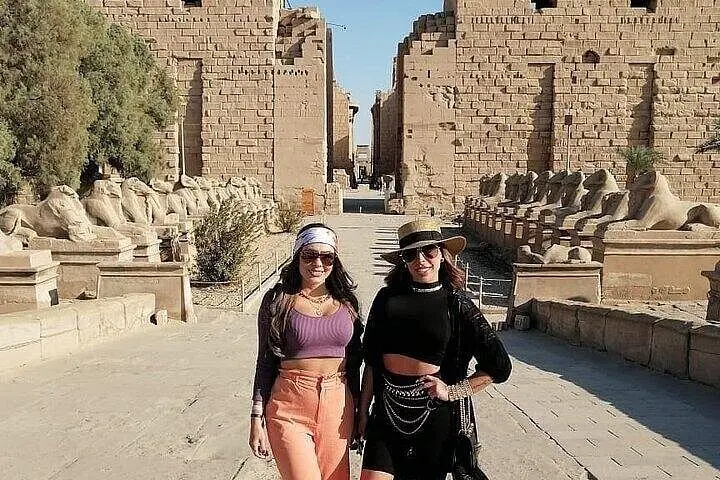
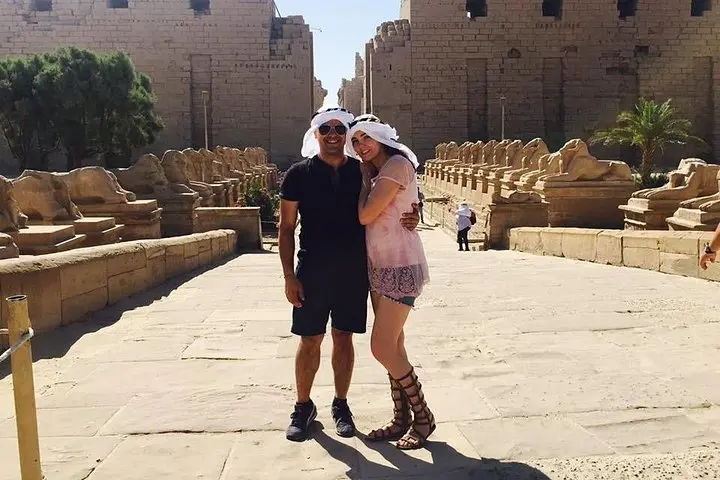
The route threads millennia: the Step Pyramid at Saqqara marks the dawn of monumental stonework, Saladin's 12th-century citadel surveys medieval Cairo from its limestone perch, while Karnak and the Valley of the Kings reveal pharaonic power carved into sandstone and bedrock. Geology here is simple and blunt—limestone and sandstone stripped by wind and time—yet it frames some of humanity's most exacting architecture. Local culture is immediate: market bargaining, mosque calls, and hospitality at small hotels and Nile-side cafés.
Practical guidance: plan early mornings for outdoor sites to avoid heat and crowds; carry a reusable water bottle and sun protection; expect several transfers and an overnight seated train between Cairo and Luxor unless you upgrade. Bring modest clothing for religious sites, comfortable walking shoes for uneven temple floors, and small notes of local currency for tipping guides and vendors. Allow time to absorb details—the hieroglyphs, reliefs and carved corridors take longer to read than to photograph.
This itinerary balances curated touring with pockets of free time—ideal for travelers who want a compact, practical immersion in Egypt's top historical sites without heavy trekking or specialized equipment.
The itinerary lists guided visits but admission fees to major sites are typically not included; confirm with the operator and carry cash or card for tickets.
Included service is first-class seated overnight; you can upgrade to a sleeper carriage for greater comfort and privacy for an additional cost.
Many nationalities require a visa for Egypt obtained on arrival or online; check current entry rules before travel and carry passport copies.
The tour is broadly suitable for most fitness levels but ancient sites have uneven terrain and stairs; wheelchair access is limited at some ruins—check specifics with the operator.
Hola Egipto operates guided outdoor trips and adventures with an emphasis on safety, stewardship, and memorable experiences.
Morning light slices across the Giza Plateau; wind-scoured sand steps up against the silhouettes of Cheops, Chephren and Mycerinus, and the city beyond hums with traffic and call to prayer. On this six-day circuit you move from that ancient stone grammar to the slow, green pulse of the Nile at Luxor, trading plateaus for temple colonnades and tomb-lined valleys.
Morning light slices across the Giza Plateau; wind-scoured sand steps up against the silhouettes of Cheops, Chephren and Mycerinus, and the city beyond hums with traffic and call to prayer. On this six-day circuit you move from that ancient stone grammar to the slow, green pulse of the Nile at Luxor, trading plateaus for temple colonnades and tomb-lined valleys.
The route threads millennia: the Step Pyramid at Saqqara marks the dawn of monumental stonework, Saladin's 12th-century citadel surveys medieval Cairo from its limestone perch, while Karnak and the Valley of the Kings reveal pharaonic power carved into sandstone and bedrock. Geology here is simple and blunt—limestone and sandstone stripped by wind and time—yet it frames some of humanity's most exacting architecture. Local culture is immediate: market bargaining, mosque calls, and hospitality at small hotels and Nile-side cafés.
Practical guidance: plan early mornings for outdoor sites to avoid heat and crowds; carry a reusable water bottle and sun protection; expect several transfers and an overnight seated train between Cairo and Luxor unless you upgrade. Bring modest clothing for religious sites, comfortable walking shoes for uneven temple floors, and small notes of local currency for tipping guides and vendors. Allow time to absorb details—the hieroglyphs, reliefs and carved corridors take longer to read than to photograph.
This itinerary balances curated touring with pockets of free time—ideal for travelers who want a compact, practical immersion in Egypt's top historical sites without heavy trekking or specialized equipment.