THE ADVENTURE COLLECTIVE® · Independent discovery and booking for outdoor travel

A six-day combination of Cairo highlights and a deluxe four-night Nile cruise from Aswan to Luxor. Discover Giza and the Egyptian Museum, then sail past Kom Ombo, Edfu and Luxor’s temples with guided shore visits.
A six-day combination of Cairo highlights and a deluxe four-night Nile cruise from Aswan to Luxor. Discover Giza and the Egyptian Museum, then sail past Kom Ombo, Edfu and Luxor’s temples with guided shore visits.
You step off the sleeper train into Aswan’s dry dawn; the Nile waits like a slow-moving highway that will carry you downstream, temples and tombs flanking its banks. The cruise becomes a mobile basecamp—deck chairs catching sunrise, feluccas slipping past, and the river itself nudging you toward history.
Verified experiences and guided adventures in the surrounding area.
Operated by Ahmed Ebeid Gabr · Aswan, Aswan Governorate
You step off the sleeper train into Aswan’s dry dawn; the Nile waits like a slow-moving highway that will carry you downstream, temples and tombs flanking its banks. The cruise becomes a mobile basecamp—deck chairs catching sunrise, feluccas slipping past, and the river itself nudging you toward history.
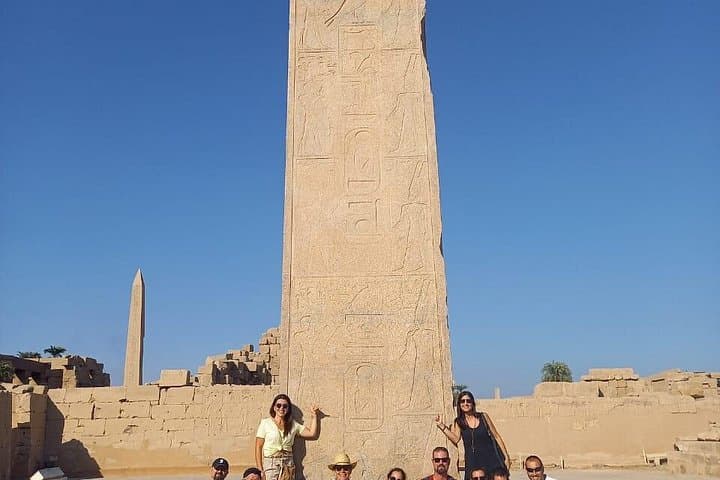
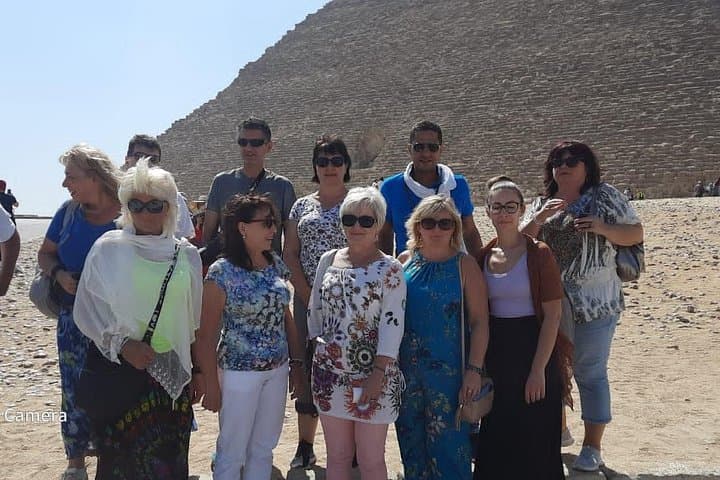
This itinerary stitches Cairo’s Pharaonic landmarks to the riverine monuments between Aswan and Luxor. In Cairo expect the Giza plateau and the Egyptian Museum’s trove of New Kingdom riches; downstream the High Dam and Unfinished Obelisk tell modern engineering’s story alongside millennia-old stonework. Kom Ombo’s twin sanctuaries, Edfu’s intact pylons, Karnak’s avenue of ram-headed sphinxes and the Valley of the Kings’ rock-cut tombs reveal how geology and religion shaped settlement on the Nile’s fertile floodplain.
Local culture is present in small moments: Nubian villages brightening the riverbank, crew preparing molokhiya and fresh bread, and vendors negotiating at temple gates. Practicalities matter here—days are long, temperatures can be extreme, and temple sites involve uneven stone and stairs.
Plan for early starts to avoid heat, comfortable walking shoes with grip for carved steps, and a refillable bottle—the cruise supplies water but shore visits demand autonomy. Carry local currency for small purchases, modest clothing for religious and archaeological sites, and a lightweight layer for cool nights on deck. With a steady pace and basic prep, this six-day blend of city archaeology and slow-boat exploration is a focused, accessible way to meet Egypt’s past and the river that shaped it.
This tour includes sleeper train tickets from Cairo to Aswan as part of the itinerary; confirm pickup details and luggage limits with the operator.
Entrance fees are listed as included in this package, but special optional sites or internal pyramid access may require extra fees on-site.
The tour notes wheelchair accessibility for transportation and surfaces, but some temple sites have stairs and uneven terrain—check specifics and request assistance in advance.
Tipping is customary in Egypt; plan modest daily tips for ship crew and separate gratuities for local guides—confirm suggested amounts with your operator.
Ahmed Ebeid Gabr operates guided outdoor trips and adventures with an emphasis on safety, stewardship, and memorable experiences.
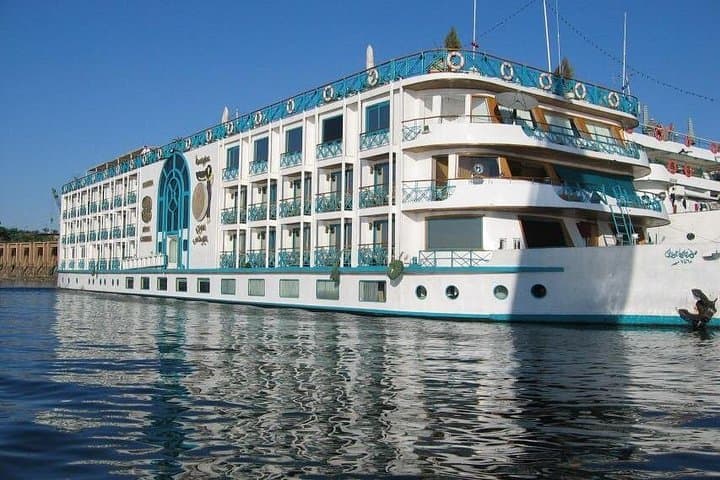
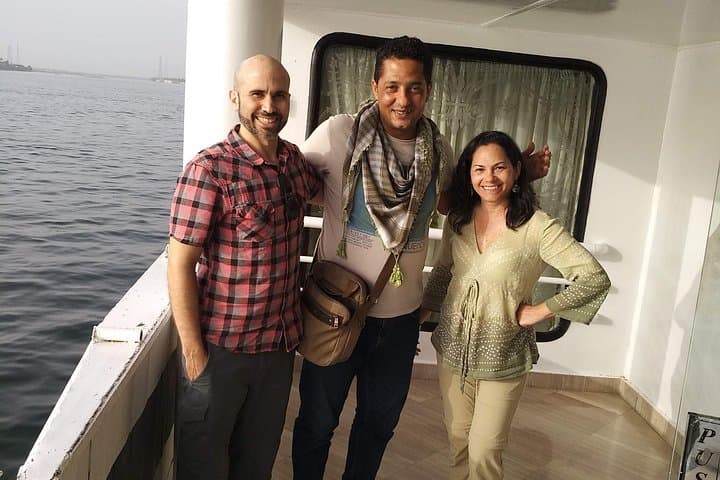
You step off the sleeper train into Aswan’s dry dawn; the Nile waits like a slow-moving highway that will carry you downstream, temples and tombs flanking its banks. The cruise becomes a mobile basecamp—deck chairs catching sunrise, feluccas slipping past, and the river itself nudging you toward history.
You step off the sleeper train into Aswan’s dry dawn; the Nile waits like a slow-moving highway that will carry you downstream, temples and tombs flanking its banks. The cruise becomes a mobile basecamp—deck chairs catching sunrise, feluccas slipping past, and the river itself nudging you toward history.
This itinerary stitches Cairo’s Pharaonic landmarks to the riverine monuments between Aswan and Luxor. In Cairo expect the Giza plateau and the Egyptian Museum’s trove of New Kingdom riches; downstream the High Dam and Unfinished Obelisk tell modern engineering’s story alongside millennia-old stonework. Kom Ombo’s twin sanctuaries, Edfu’s intact pylons, Karnak’s avenue of ram-headed sphinxes and the Valley of the Kings’ rock-cut tombs reveal how geology and religion shaped settlement on the Nile’s fertile floodplain.
Local culture is present in small moments: Nubian villages brightening the riverbank, crew preparing molokhiya and fresh bread, and vendors negotiating at temple gates. Practicalities matter here—days are long, temperatures can be extreme, and temple sites involve uneven stone and stairs.
Plan for early starts to avoid heat, comfortable walking shoes with grip for carved steps, and a refillable bottle—the cruise supplies water but shore visits demand autonomy. Carry local currency for small purchases, modest clothing for religious and archaeological sites, and a lightweight layer for cool nights on deck. With a steady pace and basic prep, this six-day blend of city archaeology and slow-boat exploration is a focused, accessible way to meet Egypt’s past and the river that shaped it.