THE ADVENTURE COLLECTIVE® · Independent discovery and booking for outdoor travel

A six‑day circuit across western Bhutan combining short mountain hikes, monastery visits and valley drives. Move from Thimphu’s monuments to the glacial Phobjikha basin and the exposed cliffs of Taktsang with practical guidance on timing, gear and acclimatization.
A six‑day circuit across western Bhutan combining short mountain hikes, monastery visits and valley drives. Move from Thimphu’s monuments to the glacial Phobjikha basin and the exposed cliffs of Taktsang with practical guidance on timing, gear and acclimatization.
Morning light breaks across terraced rice paddies as your minivan winds down from the Dochu La pass into a warmer valley — the sound of prayer flags snapping in mountain air follows you from one monastery to the next. This six‑day circuit moves through Paro, Thimphu, Punakha, Phobjikha and Gangtey, where cliffs, conifer forests and glacial U‑shaped valleys set the stage for daily short hikes and cultural encounters.
Verified experiences and guided adventures in the surrounding area.
Operated by Bhutan Acorn Tours and Travel · Paro, Paro District
Morning light breaks across terraced rice paddies as your minivan winds down from the Dochu La pass into a warmer valley — the sound of prayer flags snapping in mountain air follows you from one monastery to the next. This six‑day circuit moves through Paro, Thimphu, Punakha, Phobjikha and Gangtey, where cliffs, conifer forests and glacial U‑shaped valleys set the stage for daily short hikes and cultural encounters.
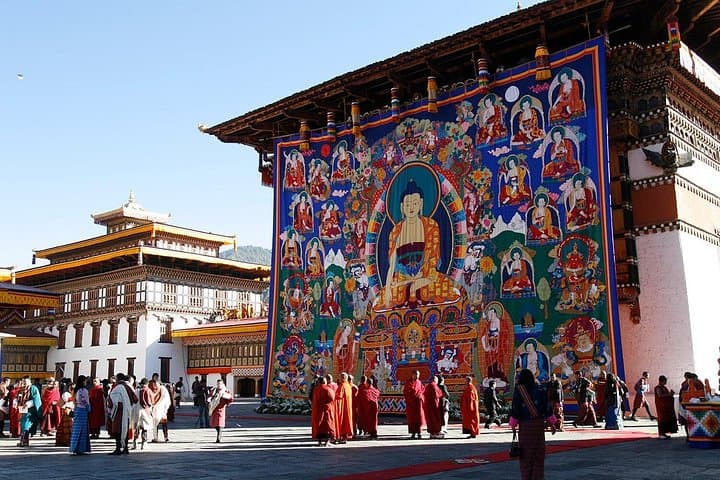
Bhutan’s story is written in dzongs, stupas and painted walls: the medieval fortress‑monasteries built in the 17th century, the rise of the Wangchuck monarchy and the lived practice of Vajrayana Buddhism shape towns and ritual life. Geologically the country is a young slice of the eastern Himalaya — steep river gorges, alpine meadows and high passes like Dochu La (3,150 m) mark sharp elevation shifts that can change climate from sub‑tropical Punakha (1,200 m) to Phobjikha (~3,000 m) in hours.
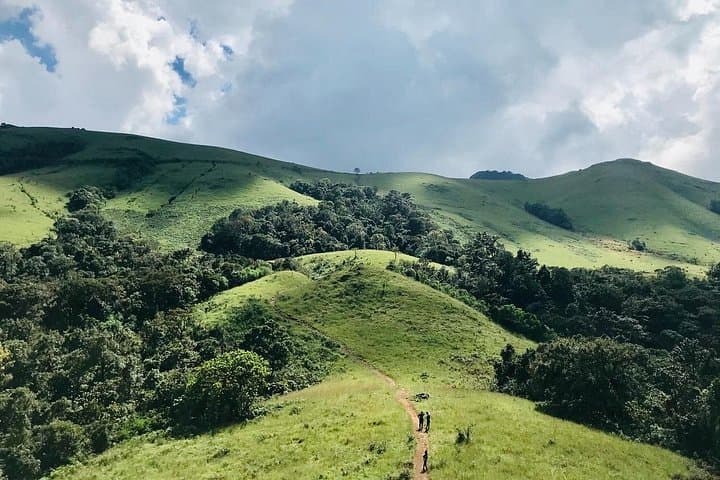
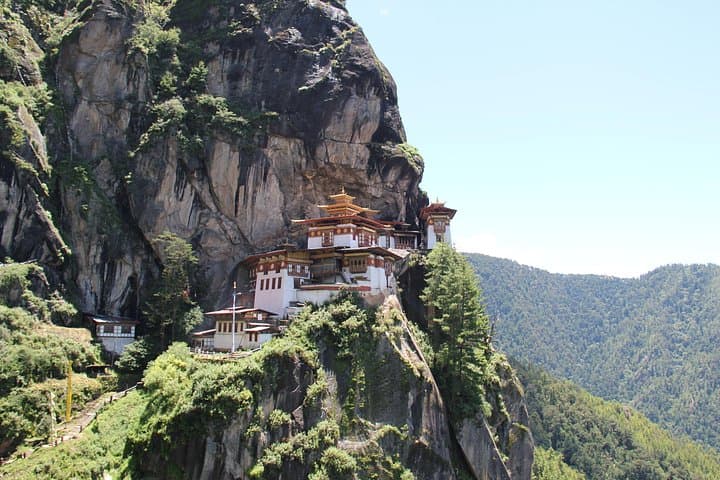
Expect practical, short to moderate hikes: Tango Monastery (about 1.5 hours uphill), the 5 km Gangtey Nature Trail (≈2.5 hours), a 4–5 hour round trip to Paro Taktsang (Tiger’s Nest) with 800 m of exposed cliff above the valley, and temple walks through Punakha’s terraces. Local life centers on agriculture, monastic schedules and handicrafts; friendly homestays and Dzong tours offer real access to that rhythm.
Plan for altitude swings, sturdy footwear, day layering and at least one slow day for acclimatization. Carry water, respect temple etiquette, and book flights early — Bhutan’s limited international connections and visa processing require lead time.
Yes — the tour includes visa processing (e‑Visa issued in 4–5 business days) but you must submit clear passport copies with at least six months validity.
The round trip takes about 4–5 hours with sustained uphill sections and altitude — many guests use a horse partway to the viewpoint, but the final stretch is on foot.
Black‑necked Cranes winter in Phobjikha from November through March; early winter visits coincide with the November crane festival.
Yes — international connections are limited to a few cities; book flights months in advance, especially during high seasons (Mar–May, Sep–Nov).
Bhutan Acorn Tours and Travel operates guided outdoor trips and adventures with an emphasis on safety, stewardship, and memorable experiences.
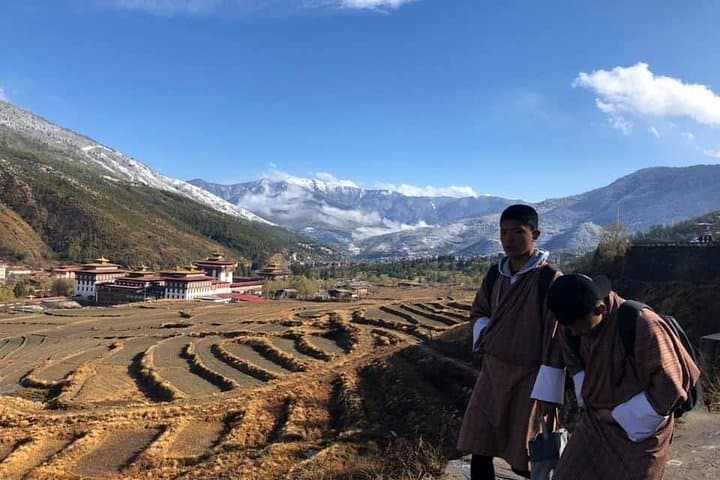
Morning light breaks across terraced rice paddies as your minivan winds down from the Dochu La pass into a warmer valley — the sound of prayer flags snapping in mountain air follows you from one monastery to the next. This six‑day circuit moves through Paro, Thimphu, Punakha, Phobjikha and Gangtey, where cliffs, conifer forests and glacial U‑shaped valleys set the stage for daily short hikes and cultural encounters.
Morning light breaks across terraced rice paddies as your minivan winds down from the Dochu La pass into a warmer valley — the sound of prayer flags snapping in mountain air follows you from one monastery to the next. This six‑day circuit moves through Paro, Thimphu, Punakha, Phobjikha and Gangtey, where cliffs, conifer forests and glacial U‑shaped valleys set the stage for daily short hikes and cultural encounters.
Bhutan’s story is written in dzongs, stupas and painted walls: the medieval fortress‑monasteries built in the 17th century, the rise of the Wangchuck monarchy and the lived practice of Vajrayana Buddhism shape towns and ritual life. Geologically the country is a young slice of the eastern Himalaya — steep river gorges, alpine meadows and high passes like Dochu La (3,150 m) mark sharp elevation shifts that can change climate from sub‑tropical Punakha (1,200 m) to Phobjikha (~3,000 m) in hours.
Expect practical, short to moderate hikes: Tango Monastery (about 1.5 hours uphill), the 5 km Gangtey Nature Trail (≈2.5 hours), a 4–5 hour round trip to Paro Taktsang (Tiger’s Nest) with 800 m of exposed cliff above the valley, and temple walks through Punakha’s terraces. Local life centers on agriculture, monastic schedules and handicrafts; friendly homestays and Dzong tours offer real access to that rhythm.
Plan for altitude swings, sturdy footwear, day layering and at least one slow day for acclimatization. Carry water, respect temple etiquette, and book flights early — Bhutan’s limited international connections and visa processing require lead time.