THE ADVENTURE COLLECTIVE® · Independent discovery and booking for outdoor travel

A six-day road tour from Cluj-Napoca that pairs northern Romania’s hand-carved wooden churches and steam‑train valleys with Bukovina’s painted monasteries. Expect winding mountain roads, UNESCO sites, and immersive village encounters.
A six-day road tour from Cluj-Napoca that pairs northern Romania’s hand-carved wooden churches and steam‑train valleys with Bukovina’s painted monasteries. Expect winding mountain roads, UNESCO sites, and immersive village encounters.
You step out into St. Michael’s square in Cluj-Napoca where centuries of commerce and study meet a brisk Transylvanian breeze, then climb into a modern minivan and watch the city fold away as the Carpathians rise like a moving wall.
Verified experiences and guided adventures in the surrounding area.
Operated by Rolandia · Cluj-Napoca, Cluj County
You step out into St. Michael’s square in Cluj-Napoca where centuries of commerce and study meet a brisk Transylvanian breeze, then climb into a modern minivan and watch the city fold away as the Carpathians rise like a moving wall.
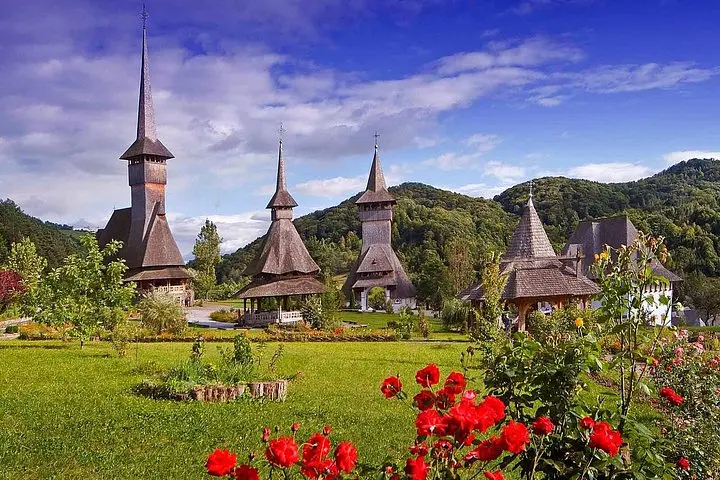
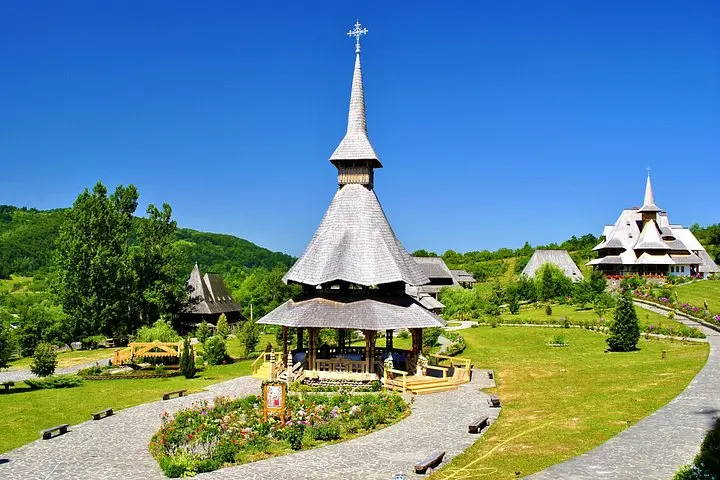
Over six days the route threads wooden villages, steep-roofed churches and cloisters whose walls wear frescoes like a public storybook. In Maramureș carved gates and needlelike church spires testify to a living woodworking craft; the “mocănița” steam train rattles along the Vaser valley, the rails hugging the river as if daring you to keep up. In Bukovina, Voroneţ’s famous blue and Suceviţa’s green frescoes demonstrate a medieval Moldavian school blending Byzantine iconography and local folk motifs.
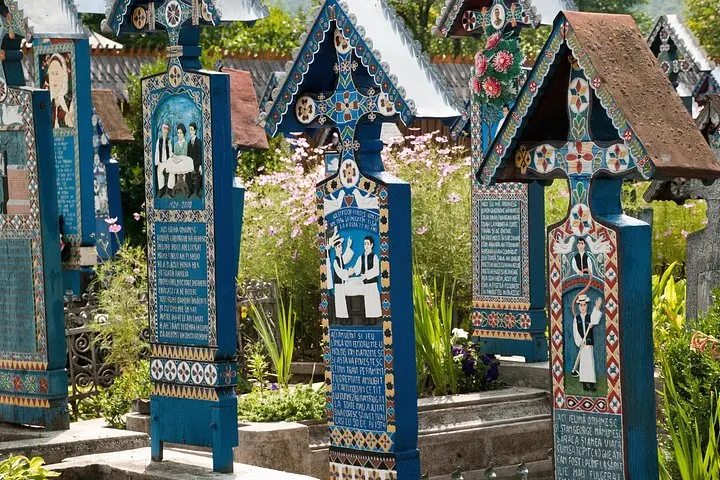
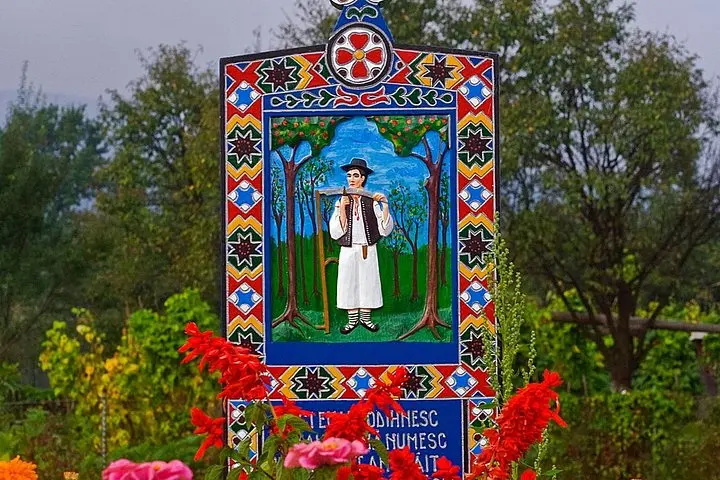
Geology keeps the pace—volcanic uplifts around Gutâi give way to folded flysch and forested ridges; expect winding mountain roads and valley microclimates. Culturally the region preserves rural Orthodox traditions, woodcraft and commemorative folk art like the Merry Cemetery’s painted stelae. UNESCO listings protect key sites, but the real reward is short walks through village lanes and quiet monastery yards.
Practical side: most days include driving between 1–5 hours and short, uneven walks at each stop. Bring layered clothing for sharp morning-to-afternoon swings, sturdy shoes for cobbles and damp monastery yards, and a respectful outfit for churches. Carry local currency for small purchases, a charged camera and willingness to move at a rural pace—this tour is about place as much as points on a map.
Expect several transfers across the Carpathians; individual days range from short 30–60 minute hops to longer drives of 3–5 hours as you move between Maramureș and Bukovina.
Most painted monasteries and wooden churches have uneven surfaces and steps; the tour notes indicate sites are generally not wheelchair accessible.
Yes — the itinerary includes the mocănița steam train experience through the Vaser valley, though weather or maintenance can sometimes affect operation.
The tour includes a professional English-speaking guide; confirm any additional language needs at booking.
Rolandia operates guided outdoor trips and adventures with an emphasis on safety, stewardship, and memorable experiences.
You step out into St. Michael’s square in Cluj-Napoca where centuries of commerce and study meet a brisk Transylvanian breeze, then climb into a modern minivan and watch the city fold away as the Carpathians rise like a moving wall.
You step out into St. Michael’s square in Cluj-Napoca where centuries of commerce and study meet a brisk Transylvanian breeze, then climb into a modern minivan and watch the city fold away as the Carpathians rise like a moving wall.
Over six days the route threads wooden villages, steep-roofed churches and cloisters whose walls wear frescoes like a public storybook. In Maramureș carved gates and needlelike church spires testify to a living woodworking craft; the “mocănița” steam train rattles along the Vaser valley, the rails hugging the river as if daring you to keep up. In Bukovina, Voroneţ’s famous blue and Suceviţa’s green frescoes demonstrate a medieval Moldavian school blending Byzantine iconography and local folk motifs.
Geology keeps the pace—volcanic uplifts around Gutâi give way to folded flysch and forested ridges; expect winding mountain roads and valley microclimates. Culturally the region preserves rural Orthodox traditions, woodcraft and commemorative folk art like the Merry Cemetery’s painted stelae. UNESCO listings protect key sites, but the real reward is short walks through village lanes and quiet monastery yards.
Practical side: most days include driving between 1–5 hours and short, uneven walks at each stop. Bring layered clothing for sharp morning-to-afternoon swings, sturdy shoes for cobbles and damp monastery yards, and a respectful outfit for churches. Carry local currency for small purchases, a charged camera and willingness to move at a rural pace—this tour is about place as much as points on a map.