THE ADVENTURE COLLECTIVE® · Independent discovery and booking for outdoor travel

A compact six-day loop from Cusco that pairs Machu Picchu with the Sacred Valley’s Moray terraces, Maras salt pans and the alpine turquoise of Humantay Lake. Expect early mornings, high passes, and guided cultural context throughout.
A compact six-day loop from Cusco that pairs Machu Picchu with the Sacred Valley’s Moray terraces, Maras salt pans and the alpine turquoise of Humantay Lake. Expect early mornings, high passes, and guided cultural context throughout.
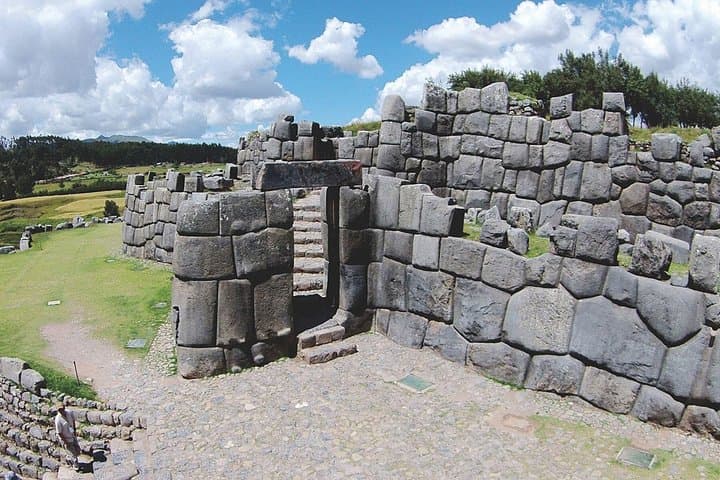
The bus climbs before dawn, headlights cutting through highland air as the city of Cusco slips behind you and the Andes open into serrated ridgelines. By mid-morning on day two you’re walking terraces at Ollantaytambo, the stonework pressing history beneath your boots; later, the train window frames a valley that seems to pull time forward and backward.
Verified experiences and guided adventures in the surrounding area.
Operated by Chullos Travel Peru · Cusco, Cusco
The bus climbs before dawn, headlights cutting through highland air as the city of Cusco slips behind you and the Andes open into serrated ridgelines. By mid-morning on day two you’re walking terraces at Ollantaytambo, the stonework pressing history beneath your boots; later, the train window frames a valley that seems to pull time forward and backward.
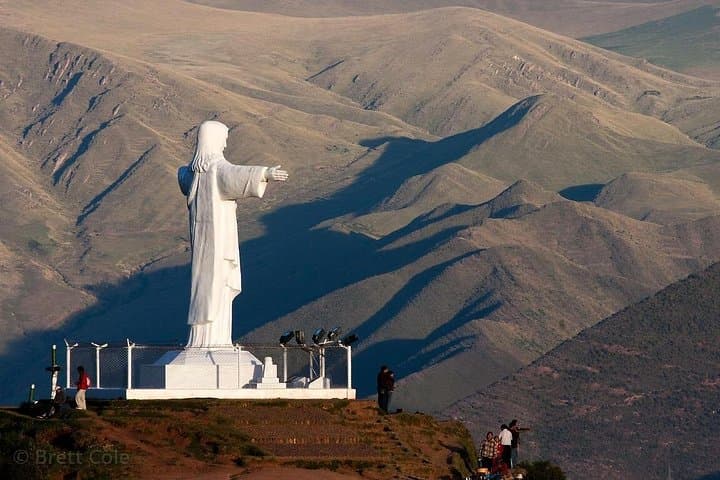
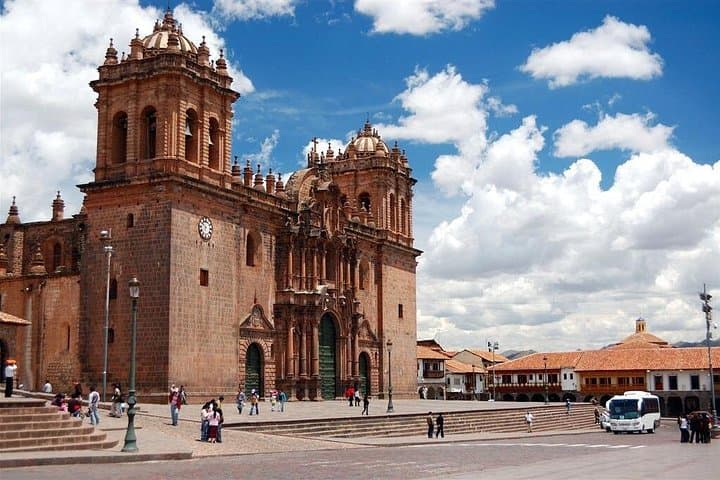
This six-day circuit threads the region’s key landscapes: Inca plazas and temples, the concentric agricultural bowls of Moray, the salt pans of Maras, and the turquoise shock of Humantay Lake at 4,250 m. Geology here is dramatic—uplifted volcanic and sedimentary plates carved by glacial melt—and the Incas engineered terraces to stabilize soils and microclimates. Cusco’s colonial streets sit atop Inca foundations, and local Quechua culture still shapes daily rhythms: market bargaining at Pisac, coca leaves for altitude, and communal salt-harvesting techniques at Maras.
Practicality governs the trip: expect early starts, several short hikes (Humantay is a 1.5–2 hour ascent from Soraypampa), and multiple transfers by air-conditioned van, train, and shuttle bus to Machu Picchu. Acclimatize in Cusco for 24–48 hours, carry layers for rapid weather shifts, and budget time for ticket queues—Machupicchu entry is regulated by the Peruvian Ministry of Culture and can sell out. Meals and mid-range hotels are included; guides provide archaeological and cultural context. For photographers, dawn at the lost city and late afternoon on the salt pans offer the cleanest light.
This itinerary balances wonder with logistics—prepare for altitude, variable trails, and unforgettable views.
Yes—tickets and train space are limited and sold by Peru’s Ministry of Culture; purchase well before travel, especially in June–August.
The Humantay ascent from Soraypampa is short but steep (about 1.5–2 hours one way) at high altitude; moderate fitness and acclimatization are required.
The itinerary includes breakfasts, several lunches, and 3-star hotels in Cusco and Aguas Calientes as specified in the package inclusions.
Stop exertion, descend to lower elevation if symptoms persist, use coca tea or acetazolamide if prescribed, and seek medical help; the tour includes oxygen for emergencies.
Chullos Travel Peru operates guided outdoor trips and adventures with an emphasis on safety, stewardship, and memorable experiences.

The bus climbs before dawn, headlights cutting through highland air as the city of Cusco slips behind you and the Andes open into serrated ridgelines. By mid-morning on day two you’re walking terraces at Ollantaytambo, the stonework pressing history beneath your boots; later, the train window frames a valley that seems to pull time forward and backward.
The bus climbs before dawn, headlights cutting through highland air as the city of Cusco slips behind you and the Andes open into serrated ridgelines. By mid-morning on day two you’re walking terraces at Ollantaytambo, the stonework pressing history beneath your boots; later, the train window frames a valley that seems to pull time forward and backward.
This six-day circuit threads the region’s key landscapes: Inca plazas and temples, the concentric agricultural bowls of Moray, the salt pans of Maras, and the turquoise shock of Humantay Lake at 4,250 m. Geology here is dramatic—uplifted volcanic and sedimentary plates carved by glacial melt—and the Incas engineered terraces to stabilize soils and microclimates. Cusco’s colonial streets sit atop Inca foundations, and local Quechua culture still shapes daily rhythms: market bargaining at Pisac, coca leaves for altitude, and communal salt-harvesting techniques at Maras.
Practicality governs the trip: expect early starts, several short hikes (Humantay is a 1.5–2 hour ascent from Soraypampa), and multiple transfers by air-conditioned van, train, and shuttle bus to Machu Picchu. Acclimatize in Cusco for 24–48 hours, carry layers for rapid weather shifts, and budget time for ticket queues—Machupicchu entry is regulated by the Peruvian Ministry of Culture and can sell out. Meals and mid-range hotels are included; guides provide archaeological and cultural context. For photographers, dawn at the lost city and late afternoon on the salt pans offer the cleanest light.
This itinerary balances wonder with logistics—prepare for altitude, variable trails, and unforgettable views.