THE ADVENTURE COLLECTIVE® · Independent discovery and booking for outdoor travel

A compact six-day loop from Cusco through the Sacred Valley to Machu Picchu, Humantay Lake and the salt pans of Maras. Expect high-altitude walks, Inca ruins, and tight ticketing windows—plan to acclimatize and book early.
A compact six-day loop from Cusco through the Sacred Valley to Machu Picchu, Humantay Lake and the salt pans of Maras. Expect high-altitude walks, Inca ruins, and tight ticketing windows—plan to acclimatize and book early.
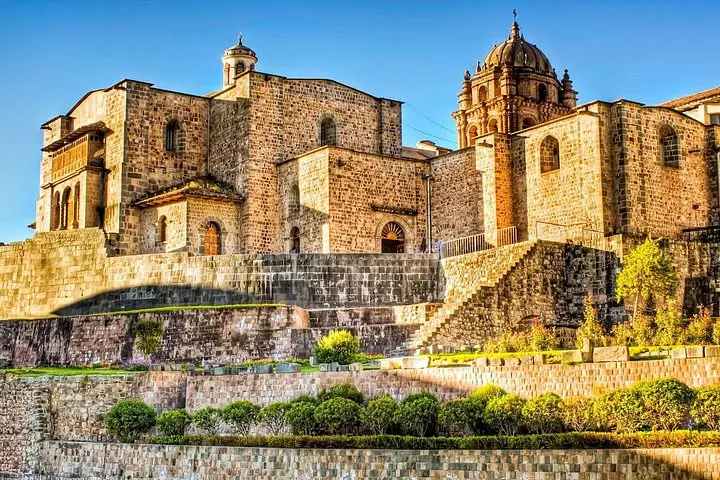
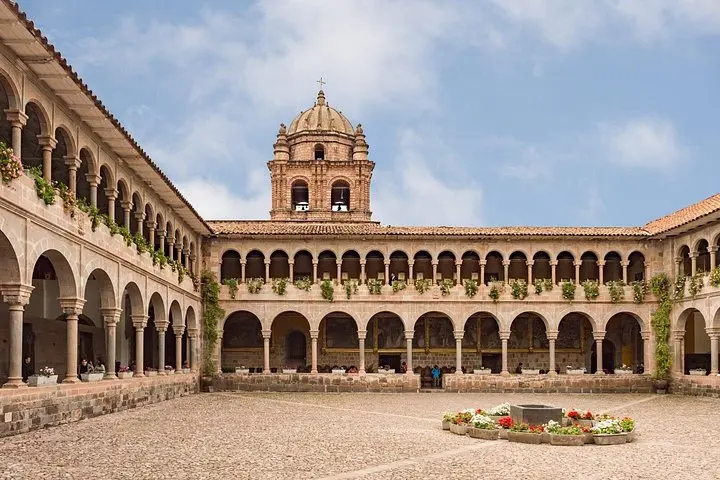
Dawn in Cusco feels like the city is waking with purpose: narrow streets exhale cold air, and the Andes around the plaza slice the sky into sharp ridgelines. On this six-day circuit you move from colonial cobblestones into the high-altitude spine of the Sacred Valley, each day trading city noise for wind and stone.
Verified experiences and guided adventures in the surrounding area.
Operated by Chullos Travel Peru · Cusco, Cusco
Dawn in Cusco feels like the city is waking with purpose: narrow streets exhale cold air, and the Andes around the plaza slice the sky into sharp ridgelines. On this six-day circuit you move from colonial cobblestones into the high-altitude spine of the Sacred Valley, each day trading city noise for wind and stone.
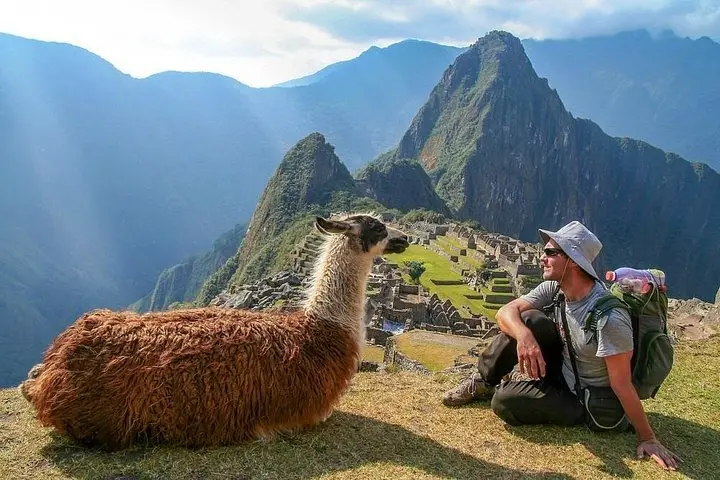
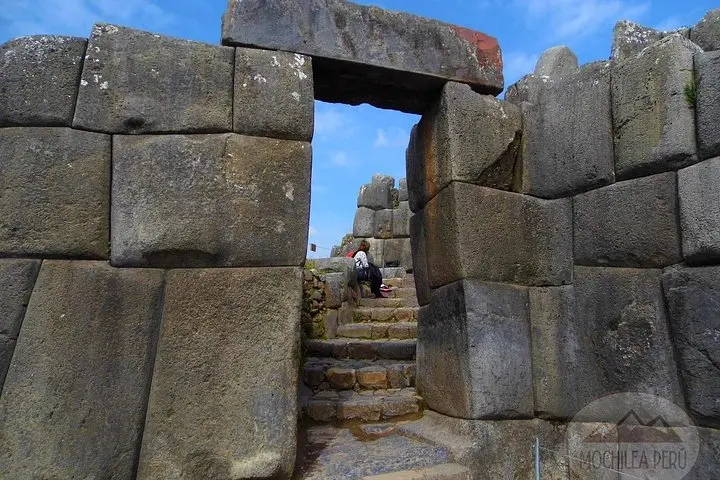
The route threads Inca engineering—Pisac terraces, Ollantaytambo’s massive stonework, the agricultural concentric bowls at Moray—and ends at the engineered silence of Machu Picchu. Geology here is active: folded volcanic-andesitic strata and glacially polished valleys channel weather and shepherd microclimates that made stepped agriculture possible. Humantay Lake, a turquoise bowl at ~4,250 m, sits beneath jagged moraine ridges and tells of recent glaciation; nearby salt pans at Maras reveal pre-Columbian and colonial economies still in living use.
Culturally, Quechua communities keep textiles, markets and rituals visible; a guide’s translation of place names—Intihuatana, Saqsaywaman—adds context to the masonry. Expect altitude to shape pace: lungs and legs will set your rhythm long before the trail does.
Practical guidance: schedule acclimatization days in Cusco, hydrate and eat salty snacks, and book Machu Picchu tickets early (circuits are limited). Wear broken-in boots and layered clothing for rapid weather shifts. Trains to Aguas Calientes and the shuttle bus to Machu Picchu run on fixed schedules—plan connections tightly. If you want quieter photo windows, aim for early morning access. This itinerary balances cultural sites with a single strenuous hike to Humantay; that combination makes for a compact, high-reward Andean introduction.
Yes—entrance is limited and issued by Peru’s Ministry of Culture; tickets (circuits 1 or 2) should be purchased as soon as travel dates are fixed.
Cusco sits around 3,400 m and Humantay reaches ~4,250 m; acclimatize for 24–48 hours, hydrate, eat carbs, and consider prescription or over-the-counter altitude remedies after consulting a physician.
Typical inclusions are 3-star hotels in Cusco and Aguas Calientes, select breakfasts and lunches, guided visits, train tickets between Ollantaytambo and Aguas Calientes, and round-trip bus to Machu Picchu—confirm specifics with the operator.
The hike is short (about 1.5–2 hours ascent from Soraypampa) but steep and at high altitude; fit walkers can complete it with pace adjustments and proper acclimatization.
Chullos Travel Peru operates guided outdoor trips and adventures with an emphasis on safety, stewardship, and memorable experiences.
Dawn in Cusco feels like the city is waking with purpose: narrow streets exhale cold air, and the Andes around the plaza slice the sky into sharp ridgelines. On this six-day circuit you move from colonial cobblestones into the high-altitude spine of the Sacred Valley, each day trading city noise for wind and stone.
Dawn in Cusco feels like the city is waking with purpose: narrow streets exhale cold air, and the Andes around the plaza slice the sky into sharp ridgelines. On this six-day circuit you move from colonial cobblestones into the high-altitude spine of the Sacred Valley, each day trading city noise for wind and stone.
The route threads Inca engineering—Pisac terraces, Ollantaytambo’s massive stonework, the agricultural concentric bowls at Moray—and ends at the engineered silence of Machu Picchu. Geology here is active: folded volcanic-andesitic strata and glacially polished valleys channel weather and shepherd microclimates that made stepped agriculture possible. Humantay Lake, a turquoise bowl at ~4,250 m, sits beneath jagged moraine ridges and tells of recent glaciation; nearby salt pans at Maras reveal pre-Columbian and colonial economies still in living use.
Culturally, Quechua communities keep textiles, markets and rituals visible; a guide’s translation of place names—Intihuatana, Saqsaywaman—adds context to the masonry. Expect altitude to shape pace: lungs and legs will set your rhythm long before the trail does.
Practical guidance: schedule acclimatization days in Cusco, hydrate and eat salty snacks, and book Machu Picchu tickets early (circuits are limited). Wear broken-in boots and layered clothing for rapid weather shifts. Trains to Aguas Calientes and the shuttle bus to Machu Picchu run on fixed schedules—plan connections tightly. If you want quieter photo windows, aim for early morning access. This itinerary balances cultural sites with a single strenuous hike to Humantay; that combination makes for a compact, high-reward Andean introduction.