THE ADVENTURE COLLECTIVE® · Independent discovery and booking for outdoor travel

Move from Cusco’s colonial center to Machu Picchu and Rainbow Mountain on a six-day itinerary that blends Inca archaeology, high-Andean geology, and Quechua culture. Plan for altitude, early starts, and variable trail conditions.
Move from Cusco’s colonial center to Machu Picchu and Rainbow Mountain on a six-day itinerary that blends Inca archaeology, high-Andean geology, and Quechua culture. Plan for altitude, early starts, and variable trail conditions.
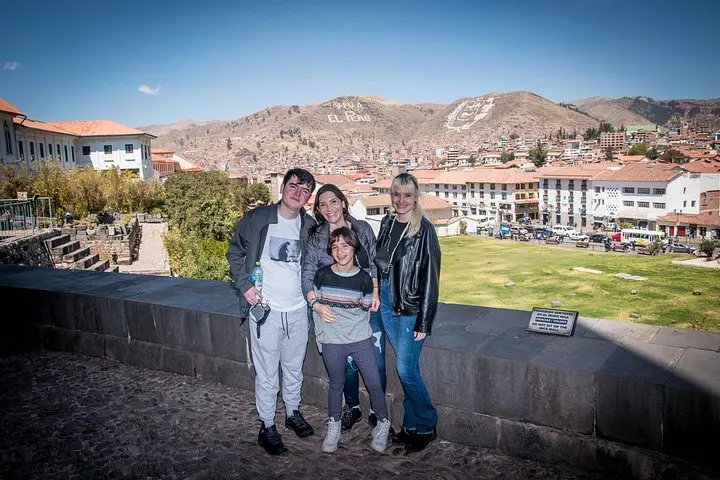
Morning light hits Cusco’s Plaza de Armas and the Andes push a cold, clear wind through the colonial streets. On this six-day loop you’ll move from cobbled city alleys to high glacial ridgelines — trains and buses ferrying you across a landscape that still seems to be rearranging itself under your feet.
Verified experiences and guided adventures in the surrounding area.
Operated by Kantu Peru Tours · Cusco, Cusco Region
Morning light hits Cusco’s Plaza de Armas and the Andes push a cold, clear wind through the colonial streets. On this six-day loop you’ll move from cobbled city alleys to high glacial ridgelines — trains and buses ferrying you across a landscape that still seems to be rearranging itself under your feet.
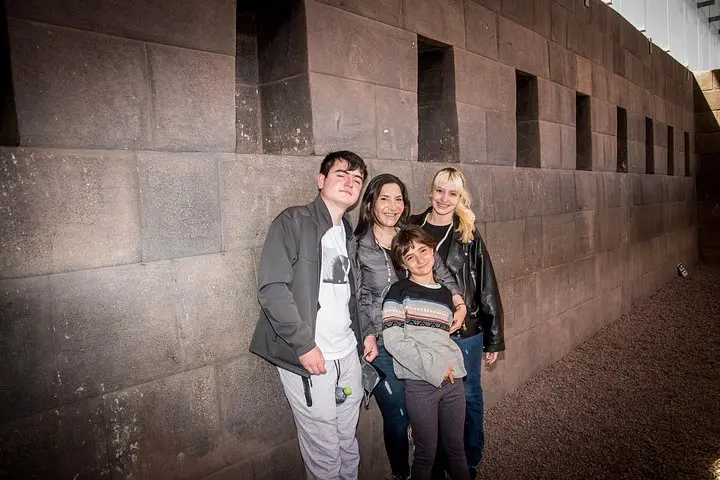
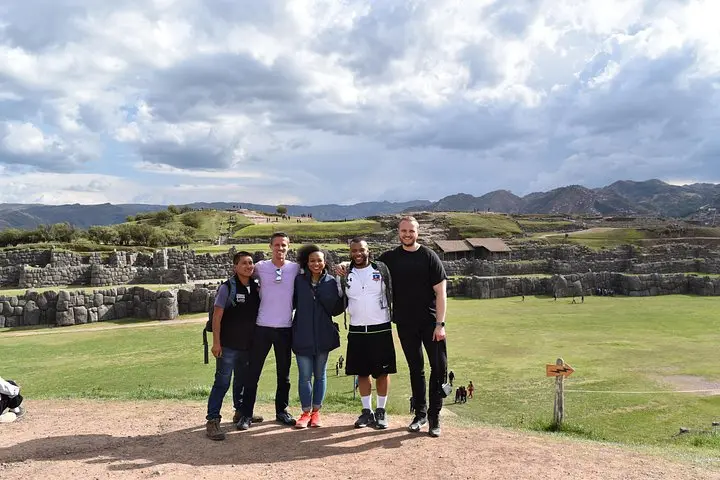
The route stitches together centuries of human and geological history: Koricancha’s foundation stones and Sacsayhuamán’s megaliths speak to Inca engineering, while the terraced bowls of Moray and the salt pans of Maras reveal agricultural experimentation and ancient resource management. Geologically, the region is high Andes — uplifted, folded, and carved by glaciers — which is why Vinicunca’s rainbow stripes are exposed mineral layers sharpened by erosion and frost.
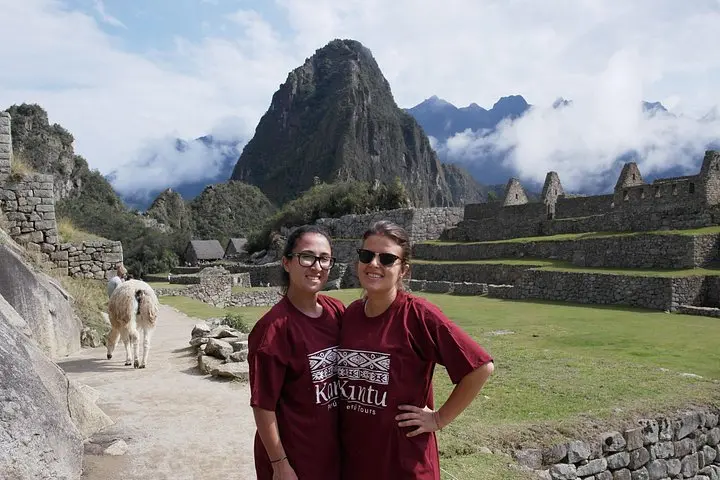
Cultural touchpoints are immediate: weavers in Chinchero demonstrate natural-dye techniques and Quechua communities still run mountain pastures. Practical bits matter: trains to Aguas Calientes set the rhythm of the day, and Machu Picchu entry circuits vary so plan which sector you want to see.
Expect long days and significant altitude (Cusco ~11,200 ft; Vinicunca reaches ~16,700 ft). Acclimatize in Cusco, hydrate, and travel with layers — mornings and evenings are cold even in summer. Carry your passport for Machu Picchu entry, pack sturdy boots for uneven trails, and schedule open time in Cusco for rest or extra exploration. The experience combines archaeology, high-mountain hiking, and local culture — rewarding, brisk, and logistically structured.
Yes — you must present the same passport used to purchase your Machu Picchu ticket at site entry controls.
The hike is steep at the final ascent and takes place above 15,000 ft; moderate fitness with acclimatization is recommended rather than technical climbing experience.
Circuit 2 is commonly offered but subject to availability; alternate circuits may be assigned and a private guide is required inside the citadel at extra cost.
The itinerary includes an expedition train to Aguas Calientes; trains have luggage limits, so follow the operator’s guidance to travel with a small overnight bag on the onward section.
Kantu Peru Tours operates guided outdoor trips and adventures with an emphasis on safety, stewardship, and memorable experiences.
Morning light hits Cusco’s Plaza de Armas and the Andes push a cold, clear wind through the colonial streets. On this six-day loop you’ll move from cobbled city alleys to high glacial ridgelines — trains and buses ferrying you across a landscape that still seems to be rearranging itself under your feet.
Morning light hits Cusco’s Plaza de Armas and the Andes push a cold, clear wind through the colonial streets. On this six-day loop you’ll move from cobbled city alleys to high glacial ridgelines — trains and buses ferrying you across a landscape that still seems to be rearranging itself under your feet.
The route stitches together centuries of human and geological history: Koricancha’s foundation stones and Sacsayhuamán’s megaliths speak to Inca engineering, while the terraced bowls of Moray and the salt pans of Maras reveal agricultural experimentation and ancient resource management. Geologically, the region is high Andes — uplifted, folded, and carved by glaciers — which is why Vinicunca’s rainbow stripes are exposed mineral layers sharpened by erosion and frost.
Cultural touchpoints are immediate: weavers in Chinchero demonstrate natural-dye techniques and Quechua communities still run mountain pastures. Practical bits matter: trains to Aguas Calientes set the rhythm of the day, and Machu Picchu entry circuits vary so plan which sector you want to see.
Expect long days and significant altitude (Cusco ~11,200 ft; Vinicunca reaches ~16,700 ft). Acclimatize in Cusco, hydrate, and travel with layers — mornings and evenings are cold even in summer. Carry your passport for Machu Picchu entry, pack sturdy boots for uneven trails, and schedule open time in Cusco for rest or extra exploration. The experience combines archaeology, high-mountain hiking, and local culture — rewarding, brisk, and logistically structured.