THE ADVENTURE COLLECTIVE® · Independent discovery and booking for outdoor travel

A six-day route from Cusco to Machu Picchu that mixes Sacred Valley archaeology, zipline and hanging-bridge thrills, Rainbow Mountain’s high-color ridge, and a night in Aguas Calientes. Practical logistics and altitude-aware pacing make this ideal for active travelers seeking culture plus adrenaline.
A six-day route from Cusco to Machu Picchu that mixes Sacred Valley archaeology, zipline and hanging-bridge thrills, Rainbow Mountain’s high-color ridge, and a night in Aguas Calientes. Practical logistics and altitude-aware pacing make this ideal for active travelers seeking culture plus adrenaline.
The morning air in Cusco is thin and electric — you step from the hotel into streets where colonial balconies cast long shadows and the Andes rise like a distant, watchful ridge.
Verified experiences and guided adventures in the surrounding area.
Operated by Inca Jungle en Capsulas · Cusco, Cusco Region
The morning air in Cusco is thin and electric — you step from the hotel into streets where colonial balconies cast long shadows and the Andes rise like a distant, watchful ridge.
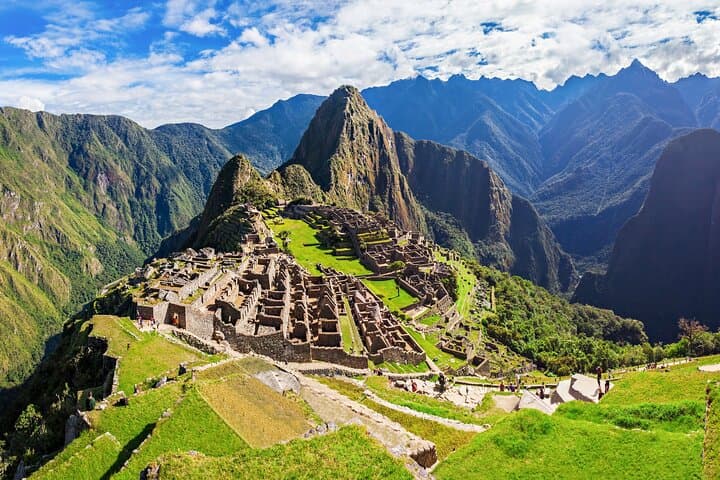
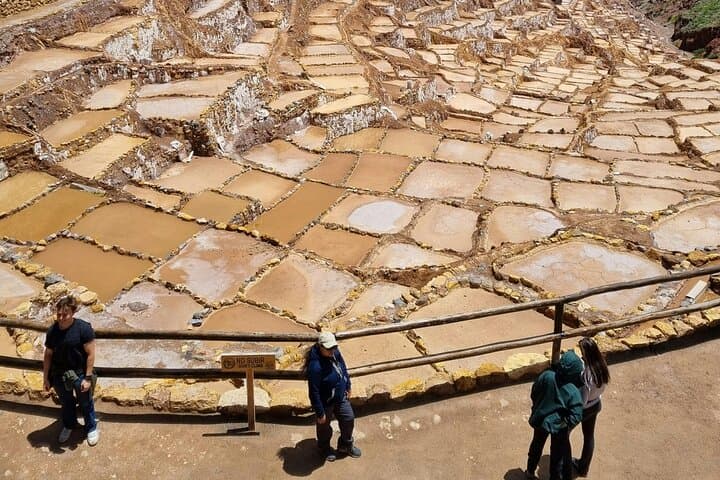
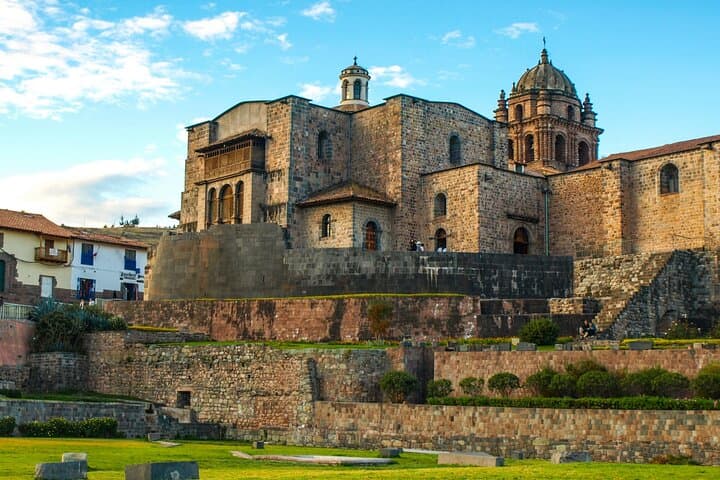
Over six days this trip threads highland archaeology with jungle edges: market stalls in Pisac, the terraced engineering of Ollantaytambo, the steep approach to Rainbow Mountain, and finally the green-walled citadel of Machu Picchu. Geologically the route moves from volcanic-andesitic peaks and glaciated passes to the steep river-cut canyons dropping toward the jungle; the color bands at Vinicunca are iron and copper minerals exposed by erosion and glacial action. Culturally you'll pass Quechua communities where weaving and coffee cultivation persist as everyday economies, and the Inca legacy is everywhere — agricultural planning, stone masonry, and sacred sites that predate Spanish arrival.
Expect a rhythm of early departures, piledriver climbs at altitude, and switches from bus to train to short hikes. Guides handle logistics and entrance tickets, but acclimatization is the trip's practical hinge: spend the first morning slow, hydrate, and avoid heavy meals. Footwear should be broken-in boots with good ankle support; layers are essential for cold dawns and strong midday sun. Bring sunscreen, a compact rain shell for showers that can appear suddenly in the mountains, and a small daypack for water and valuables. If you’re prone to altitude sickness, consult a physician about acetazolamide and plan extra rest days when possible.
This itinerary balances high-visibility icons and local sidetracks — it’s best for travelers ready for sustained effort, a touch of vertigo on ziplines, and an appetite for steep history.
Yes — Cusco sits above 3,300 m and Rainbow Mountain higher; plan slow first-day activity, stay hydrated, avoid alcohol, and consult a doctor about preventative medication.
Entrance is included in the tour; Machu Picchu uses timed entry and guided groups, so follow your itinerary’s scheduled visit window.
Zipline and canopy circuits are run by staff with basic safety briefings; no technical skills required but you must be comfortable with heights and follow guides’ instructions.
Carry some Peruvian soles for markets, small meals, and tips; credit cards work in larger towns but small villages are cash-based — tip guides and drivers in cash if satisfied.
Inca Jungle en Capsulas operates guided outdoor trips and adventures with an emphasis on safety, stewardship, and memorable experiences.
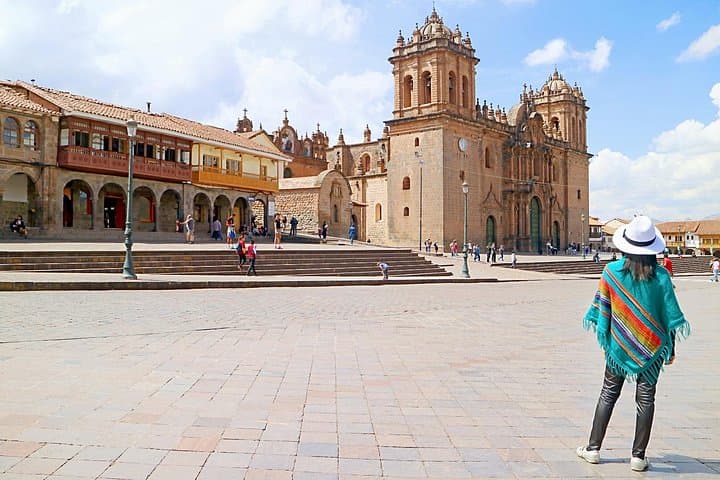
The morning air in Cusco is thin and electric — you step from the hotel into streets where colonial balconies cast long shadows and the Andes rise like a distant, watchful ridge.
The morning air in Cusco is thin and electric — you step from the hotel into streets where colonial balconies cast long shadows and the Andes rise like a distant, watchful ridge.
Over six days this trip threads highland archaeology with jungle edges: market stalls in Pisac, the terraced engineering of Ollantaytambo, the steep approach to Rainbow Mountain, and finally the green-walled citadel of Machu Picchu. Geologically the route moves from volcanic-andesitic peaks and glaciated passes to the steep river-cut canyons dropping toward the jungle; the color bands at Vinicunca are iron and copper minerals exposed by erosion and glacial action. Culturally you'll pass Quechua communities where weaving and coffee cultivation persist as everyday economies, and the Inca legacy is everywhere — agricultural planning, stone masonry, and sacred sites that predate Spanish arrival.
Expect a rhythm of early departures, piledriver climbs at altitude, and switches from bus to train to short hikes. Guides handle logistics and entrance tickets, but acclimatization is the trip's practical hinge: spend the first morning slow, hydrate, and avoid heavy meals. Footwear should be broken-in boots with good ankle support; layers are essential for cold dawns and strong midday sun. Bring sunscreen, a compact rain shell for showers that can appear suddenly in the mountains, and a small daypack for water and valuables. If you’re prone to altitude sickness, consult a physician about acetazolamide and plan extra rest days when possible.
This itinerary balances high-visibility icons and local sidetracks — it’s best for travelers ready for sustained effort, a touch of vertigo on ziplines, and an appetite for steep history.