THE ADVENTURE COLLECTIVE® · Independent discovery and booking for outdoor travel

A compact, high‑altitude loop from Cusco to Machu Picchu that packs Inca city ruins, salt mines, agricultural terraces and the chromatic ascent to Rainbow Mountain into six days. Expect steep climbs, train transfers, and powerful Andean landscapes.
A compact, high‑altitude loop from Cusco to Machu Picchu that packs Inca city ruins, salt mines, agricultural terraces and the chromatic ascent to Rainbow Mountain into six days. Expect steep climbs, train transfers, and powerful Andean landscapes.
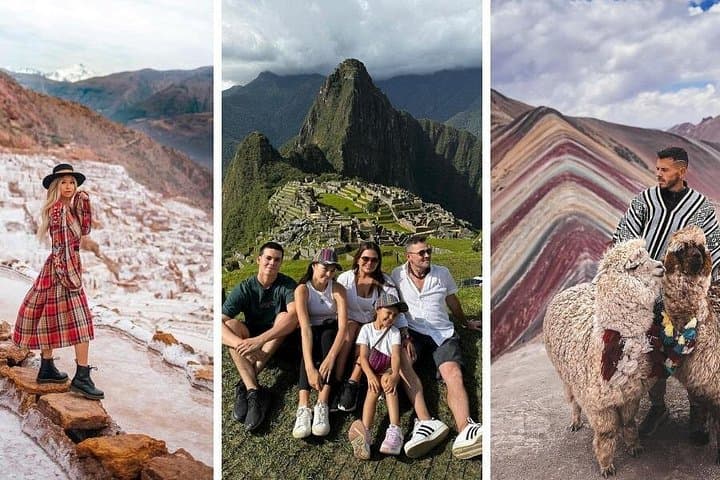
You emerge from the thin-air dawn of Cusco with a bus idling and the Andes pushing skyward around you. Cobblestone streets still hold last night’s lamplight as your driver threads into the Sacred Valley; terraces and rivers slip past like pages in a history book. By the third day the citadel of Machu Picchu rises through cloud—stone rooms and stairways that have weathered centuries of wind and rain—each carved corner holding the hush of an imperial past.
Verified experiences and guided adventures in the surrounding area.
Operated by MachuPicchu Journey · Cusco, Cusco Region
You emerge from the thin-air dawn of Cusco with a bus idling and the Andes pushing skyward around you. Cobblestone streets still hold last night’s lamplight as your driver threads into the Sacred Valley; terraces and rivers slip past like pages in a history book. By the third day the citadel of Machu Picchu rises through cloud—stone rooms and stairways that have weathered centuries of wind and rain—each carved corner holding the hush of an imperial past.
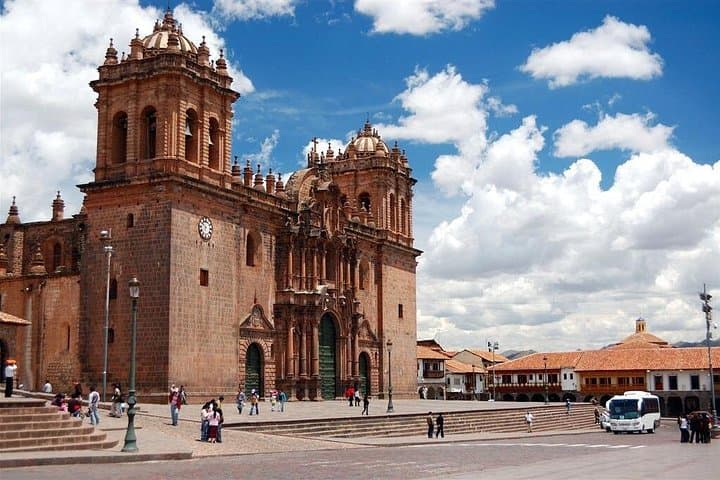
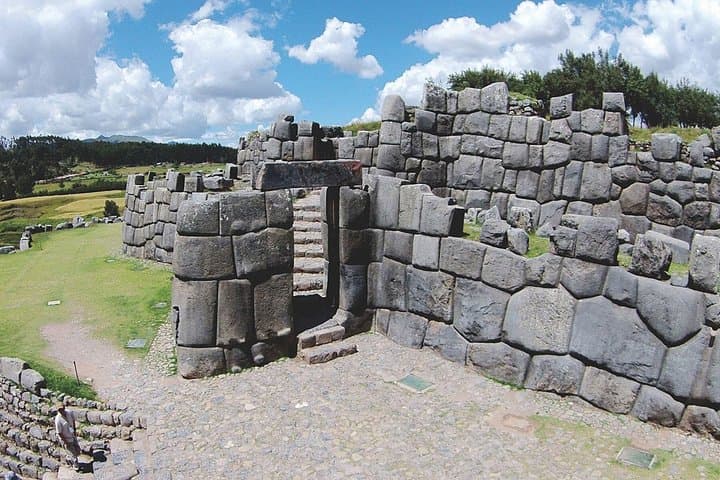
This itinerary follows Inca arteries: Koricancha and Sacsayhuamán in the city, agricultural experiments at Moray, and the hand-cut salt pools at Maras. Geologically, you’re crossing uplifted Paleozoic bedrock folded into steep valleys; glacial sculpting left high ridgelines and puna plateaus that feed the rivers daring you downstream. The culture you meet is Quechua-speaking, rooted in textile traditions, terrace agriculture and ritual respect for Pachamama.
Practical guidance: allow 48–72 hours to acclimatize in Cusco, drink often, and move deliberately on steep switchbacks. Expect cold mornings and intense midday sun; pack layers and sun protection. Rainbow Mountain’s trail is an uphill grind at 5,000 m — plan for short, steady steps and oxygen assistance if you feel dizzy (the tour provides it). Train segments and most meals are included, but bring cash for small markets and tips.
Timing matters: early starts beat clouds at Machu Picchu and Rainbow Mountain. Travel light, respect fragile high‑altitude ecosystems, and let the mountains set the slow, steady rhythm of your days.
Yes — train tickets between Ollantaytambo and Aguas Calientes are included as stated in the itinerary.
Altitude is the primary risk — symptoms range from headache to nausea; allow time to acclimatize, hydrate, rest, and use the provided oxygen assistance if needed.
Entrances are included but subject to availability; book early and confirm your ticket type as slots can sell out during high season.
Expect a 1.5–2.5 hour uphill approach at 4,800–5,000 m with steep sections; steady aerobic fitness and pacing are required but no technical climbing skills.
MachuPicchu Journey operates guided outdoor trips and adventures with an emphasis on safety, stewardship, and memorable experiences.

You emerge from the thin-air dawn of Cusco with a bus idling and the Andes pushing skyward around you. Cobblestone streets still hold last night’s lamplight as your driver threads into the Sacred Valley; terraces and rivers slip past like pages in a history book. By the third day the citadel of Machu Picchu rises through cloud—stone rooms and stairways that have weathered centuries of wind and rain—each carved corner holding the hush of an imperial past.
You emerge from the thin-air dawn of Cusco with a bus idling and the Andes pushing skyward around you. Cobblestone streets still hold last night’s lamplight as your driver threads into the Sacred Valley; terraces and rivers slip past like pages in a history book. By the third day the citadel of Machu Picchu rises through cloud—stone rooms and stairways that have weathered centuries of wind and rain—each carved corner holding the hush of an imperial past.
This itinerary follows Inca arteries: Koricancha and Sacsayhuamán in the city, agricultural experiments at Moray, and the hand-cut salt pools at Maras. Geologically, you’re crossing uplifted Paleozoic bedrock folded into steep valleys; glacial sculpting left high ridgelines and puna plateaus that feed the rivers daring you downstream. The culture you meet is Quechua-speaking, rooted in textile traditions, terrace agriculture and ritual respect for Pachamama.
Practical guidance: allow 48–72 hours to acclimatize in Cusco, drink often, and move deliberately on steep switchbacks. Expect cold mornings and intense midday sun; pack layers and sun protection. Rainbow Mountain’s trail is an uphill grind at 5,000 m — plan for short, steady steps and oxygen assistance if you feel dizzy (the tour provides it). Train segments and most meals are included, but bring cash for small markets and tips.
Timing matters: early starts beat clouds at Machu Picchu and Rainbow Mountain. Travel light, respect fragile high‑altitude ecosystems, and let the mountains set the slow, steady rhythm of your days.