THE ADVENTURE COLLECTIVE® · Independent discovery and booking for outdoor travel

A six-day Andes circuit from Cusco’s archaeological high points to Machu Picchu and Rainbow Mountain. Expect high-altitude trails, Quechua cultural encounters, and a mix of train, bus and guided hikes.
A six-day Andes circuit from Cusco’s archaeological high points to Machu Picchu and Rainbow Mountain. Expect high-altitude trails, Quechua cultural encounters, and a mix of train, bus and guided hikes.
The bus slows through thin air as you leave Cusco’s stone streets and climb toward high puna grasslands; by dawn the Andes sharpen into ridgelines and the valley light slips gold across terraced slopes. This six-day circuit stitches together Cusco’s colonial plazas and Inca engineering—Pisac and Ollantaytambo—then drops you by train and bus into Machu Picchu’s fog-cleared plazas before testing lungs on the chromatic slopes of Vinicunca (Rainbow Mountain).
Verified experiences and guided adventures in the surrounding area.
Operated by Chullos Travel Peru · Cusco, Cusco
The bus slows through thin air as you leave Cusco’s stone streets and climb toward high puna grasslands; by dawn the Andes sharpen into ridgelines and the valley light slips gold across terraced slopes. This six-day circuit stitches together Cusco’s colonial plazas and Inca engineering—Pisac and Ollantaytambo—then drops you by train and bus into Machu Picchu’s fog-cleared plazas before testing lungs on the chromatic slopes of Vinicunca (Rainbow Mountain).
Geology here is obvious: uplifted volcanic layers and glacial sculpting exposed multi-mineral strata on Winicunca; the Sacred Valley rides a fault-aligned corridor carved by the Vilcanota (Urubamba) River that made agriculture possible for the Incas. Culturally, expect Quechua communities, market stalls in Chinchero, and the living ritual around Q'eswachaka—the annual weaving and replacement of the suspension bridge, maintained by four villages in a ceremony that preserves ancestral skills.
Practical side: Cusco sits near 3,400 m, Rainbow Mountain reaches ~5,200 m—plan for significant altitude change. Rainbow Mountain trek is roughly 3–4 km each way with 400–900 m elevation gain depending on start point; Machu Picchu touring is 2–4 hours on uneven stone paths at ~2,430 m. Trains run between Ollantaytambo and Aguas Calientes (1.5–2 hours).
Bring layered insulation, sun protection and salt tablets if prone to altitude issues. Pace your hiking days, start early to avoid afternoon storms in the shoulder seasons, and allow at least one full day in Cusco to acclimatize before hard climbs.
Tickets are subject to availability through Peru's Ministry of Culture; tours typically purchase tickets for available circuits (1 or 2) and will refund if no tickets are available.
Expect a 3–4 km ascent one-way with up to 400–900 m of elevation gain depending on the trailhead; steep, high-altitude and often windy conditions make it strenuous.
Yes—this itinerary includes a train from Ollantaytambo to Aguas Calientes; from Aguas Calientes you take a short bus or hike up to the Machu Picchu entrance.
Acclimatize in Cusco for at least a day, hydrate, avoid heavy meals and alcohol, and carry acetazolamide only if prescribed; guides may provide oxygen for severe cases.
Chullos Travel Peru operates guided outdoor trips and adventures with an emphasis on safety, stewardship, and memorable experiences.

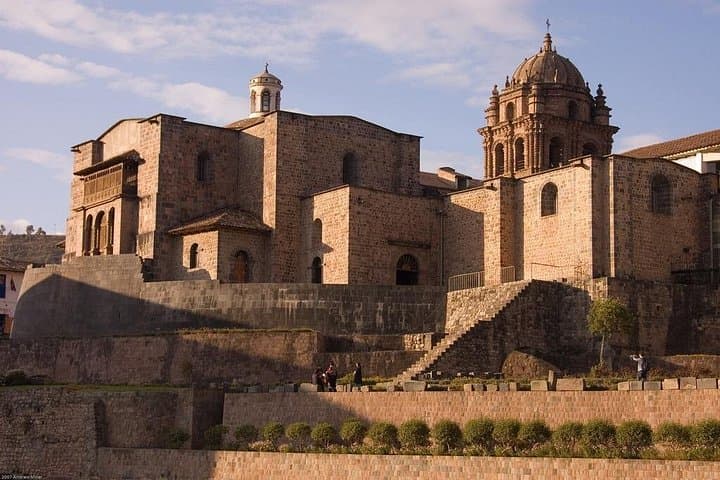

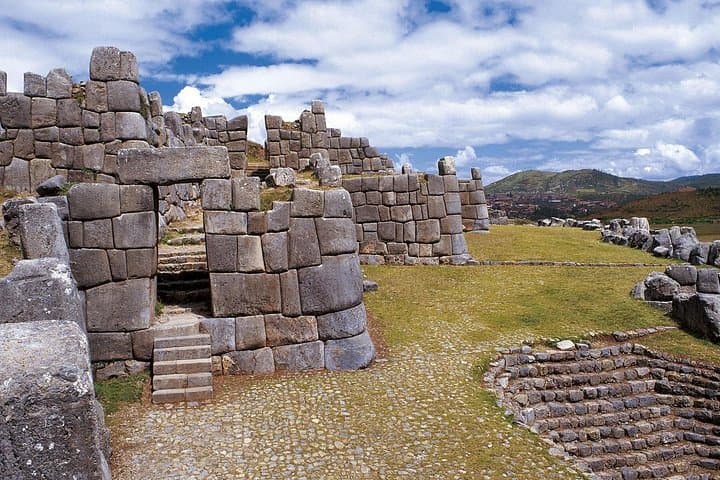
The bus slows through thin air as you leave Cusco’s stone streets and climb toward high puna grasslands; by dawn the Andes sharpen into ridgelines and the valley light slips gold across terraced slopes. This six-day circuit stitches together Cusco’s colonial plazas and Inca engineering—Pisac and Ollantaytambo—then drops you by train and bus into Machu Picchu’s fog-cleared plazas before testing lungs on the chromatic slopes of Vinicunca (Rainbow Mountain).
The bus slows through thin air as you leave Cusco’s stone streets and climb toward high puna grasslands; by dawn the Andes sharpen into ridgelines and the valley light slips gold across terraced slopes. This six-day circuit stitches together Cusco’s colonial plazas and Inca engineering—Pisac and Ollantaytambo—then drops you by train and bus into Machu Picchu’s fog-cleared plazas before testing lungs on the chromatic slopes of Vinicunca (Rainbow Mountain).
Geology here is obvious: uplifted volcanic layers and glacial sculpting exposed multi-mineral strata on Winicunca; the Sacred Valley rides a fault-aligned corridor carved by the Vilcanota (Urubamba) River that made agriculture possible for the Incas. Culturally, expect Quechua communities, market stalls in Chinchero, and the living ritual around Q'eswachaka—the annual weaving and replacement of the suspension bridge, maintained by four villages in a ceremony that preserves ancestral skills.
Practical side: Cusco sits near 3,400 m, Rainbow Mountain reaches ~5,200 m—plan for significant altitude change. Rainbow Mountain trek is roughly 3–4 km each way with 400–900 m elevation gain depending on start point; Machu Picchu touring is 2–4 hours on uneven stone paths at ~2,430 m. Trains run between Ollantaytambo and Aguas Calientes (1.5–2 hours).
Bring layered insulation, sun protection and salt tablets if prone to altitude issues. Pace your hiking days, start early to avoid afternoon storms in the shoulder seasons, and allow at least one full day in Cusco to acclimatize before hard climbs.