THE ADVENTURE COLLECTIVE® · Independent discovery and booking for outdoor travel

Experience six days of high-Andean archaeology and alpine scenery: Cusco’s historic center, the Sacred Valley’s terraces and markets, Machu Picchu’s citadel, plus a hike to the vivid Humantay Lagoon. This compact itinerary pairs cultural sites with a one-day mountain trek.
Experience six days of high-Andean archaeology and alpine scenery: Cusco’s historic center, the Sacred Valley’s terraces and markets, Machu Picchu’s citadel, plus a hike to the vivid Humantay Lagoon. This compact itinerary pairs cultural sites with a one-day mountain trek.
Dawn in Cusco carries a thin, invigorating cold that presses against the skin as the group climbs into a minivan and slips into the high Andes. Streets of ochre stone give way to terraced fields, and the Sacred Valley opens like a living map carved by rivers and hands that farmed these slopes for centuries.
Verified experiences and guided adventures in the surrounding area.
Operated by TULIPA BEYOND THE INCREDIBLE · Cusco, Cusco Region
Dawn in Cusco carries a thin, invigorating cold that presses against the skin as the group climbs into a minivan and slips into the high Andes. Streets of ochre stone give way to terraced fields, and the Sacred Valley opens like a living map carved by rivers and hands that farmed these slopes for centuries.
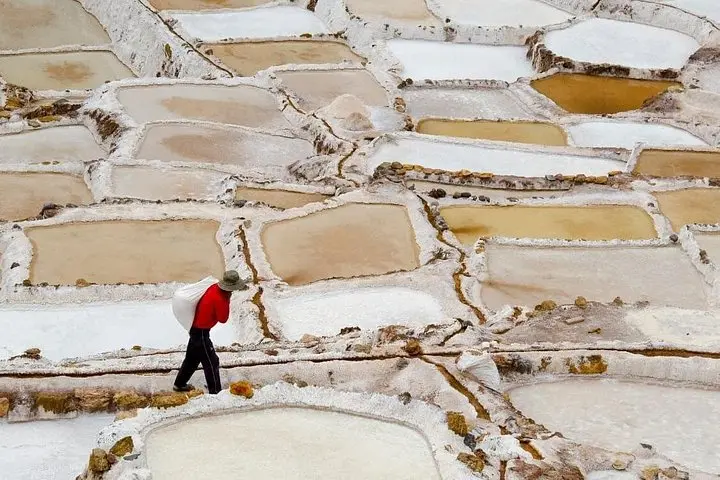
Over six days travelers move between living archaeology and alpine spectacle: the finely fitted stones of Sacsayhuamán and Qoricancha trace Inca engineering; Pisac and Ollantaytambo show terrace systems and water management; Moray’s concentric bowls reveal experimental agriculture that exploited microclimates; Maras still harvest salt using pre-Columbian pools.
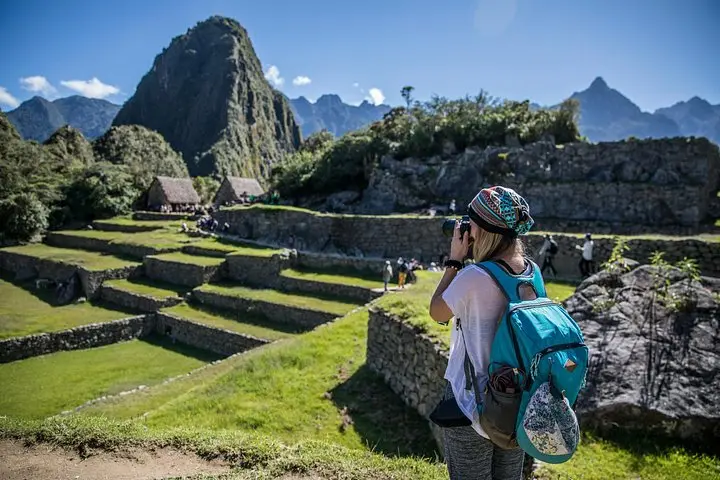
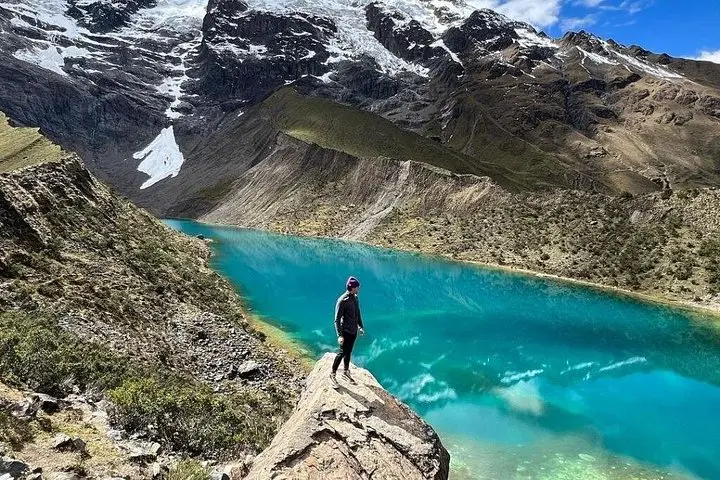
Machu Picchu arrives with the hush of altitude and history — a citadel of platforms and temples perched beneath Huayna Picchu — approached via train and shuttle from Aguas Calientes. The Humantay Lagoon day contrasts with coastal trains: a high-altitude hike to a turquoise pond (≈4,200 m) set against Salkantay’s snowfields, rewarding steady steps with crisp, thin-air vistas.
Practical guidance: acclimatize in Cusco for at least 24–48 hours, hydrate deliberately, and plan for repeated short hikes at 3,700–4,200 m. Sturdy footwear and layered clothing handle sun, wind, and sudden temperature shifts. Expect early starts, shared transport, and a mix of guided archaeological walks and one moderate-to-strenuous mountain trek. Permit windows for Huayna Picchu require advance booking; train schedules between Ollantaytambo and Aguas Calientes are fixed, so confirmations matter. Pack a small daypack with water, sunscreen, and rain protection — the Andes can change its mind in an hour.
Plan 24–48 hours in Cusco with light activity; avoid heavy exertion the first day to reduce altitude sickness risk.
Yes—entrance and roundtrip bus from Aguas Calientes plus train service (Expedition or Voyager) are included per the itinerary.
Possible if you reserve the Huayna Picchu entrance in advance; spaces are limited and must align with your Machu Picchu time slot.
Moderate to strong fitness: a 2–3 hour ascent to 4,200 m with uneven trail; steady pace and prior short hikes help.
TULIPA BEYOND THE INCREDIBLE operates guided outdoor trips and adventures with an emphasis on safety, stewardship, and memorable experiences.

Dawn in Cusco carries a thin, invigorating cold that presses against the skin as the group climbs into a minivan and slips into the high Andes. Streets of ochre stone give way to terraced fields, and the Sacred Valley opens like a living map carved by rivers and hands that farmed these slopes for centuries.
Dawn in Cusco carries a thin, invigorating cold that presses against the skin as the group climbs into a minivan and slips into the high Andes. Streets of ochre stone give way to terraced fields, and the Sacred Valley opens like a living map carved by rivers and hands that farmed these slopes for centuries.
Over six days travelers move between living archaeology and alpine spectacle: the finely fitted stones of Sacsayhuamán and Qoricancha trace Inca engineering; Pisac and Ollantaytambo show terrace systems and water management; Moray’s concentric bowls reveal experimental agriculture that exploited microclimates; Maras still harvest salt using pre-Columbian pools.
Machu Picchu arrives with the hush of altitude and history — a citadel of platforms and temples perched beneath Huayna Picchu — approached via train and shuttle from Aguas Calientes. The Humantay Lagoon day contrasts with coastal trains: a high-altitude hike to a turquoise pond (≈4,200 m) set against Salkantay’s snowfields, rewarding steady steps with crisp, thin-air vistas.
Practical guidance: acclimatize in Cusco for at least 24–48 hours, hydrate deliberately, and plan for repeated short hikes at 3,700–4,200 m. Sturdy footwear and layered clothing handle sun, wind, and sudden temperature shifts. Expect early starts, shared transport, and a mix of guided archaeological walks and one moderate-to-strenuous mountain trek. Permit windows for Huayna Picchu require advance booking; train schedules between Ollantaytambo and Aguas Calientes are fixed, so confirmations matter. Pack a small daypack with water, sunscreen, and rain protection — the Andes can change its mind in an hour.