THE ADVENTURE COLLECTIVE® · Independent discovery and booking for outdoor travel

A six-day loop from Windhoek that stitches Sossusvlei’s towering dunes to Etosha’s wildlife-rich pans. Expect red sand, coastal fog, Himba village visits and game drives with professionally guided accommodation each night.
A six-day loop from Windhoek that stitches Sossusvlei’s towering dunes to Etosha’s wildlife-rich pans. Expect red sand, coastal fog, Himba village visits and game drives with professionally guided accommodation each night.
A low-slung dawn spreads over the Namib as the convoy slips out of camp and the driver eases the Toyota onto hardpan. Red dunes flare to life like a slow fire; camel-thorn silhouettes cut dark against the rising sun. For six days the landscape keeps changing—coastal fog and shipwreck bones, lunar pans, the salt-flat glare of Etosha, and sand seas that shift with each wind. This is a safari that pairs big-sky wildlife with desert geology, run from a base in Windhoek and threaded through Swakopmund, Damaraland, the Naukluft and Etosha.
Verified experiences and guided adventures in the surrounding area.
Operated by Chameleon Safaris · Windhoek, Khomas
A low-slung dawn spreads over the Namib as the convoy slips out of camp and the driver eases the Toyota onto hardpan. Red dunes flare to life like a slow fire; camel-thorn silhouettes cut dark against the rising sun. For six days the landscape keeps changing—coastal fog and shipwreck bones, lunar pans, the salt-flat glare of Etosha, and sand seas that shift with each wind. This is a safari that pairs big-sky wildlife with desert geology, run from a base in Windhoek and threaded through Swakopmund, Damaraland, the Naukluft and Etosha.
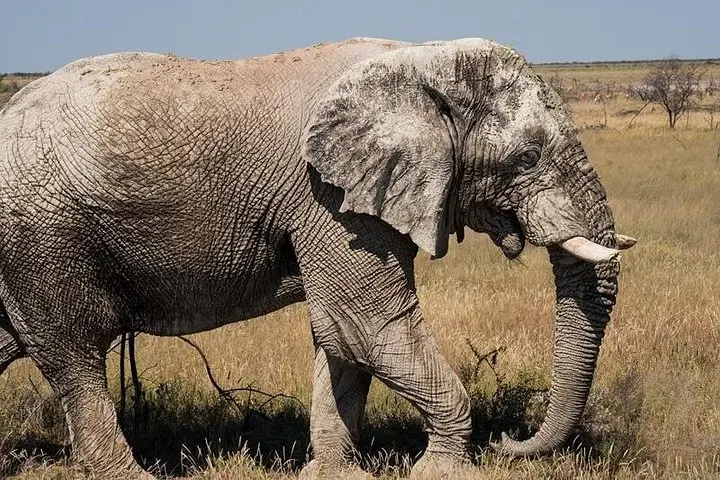
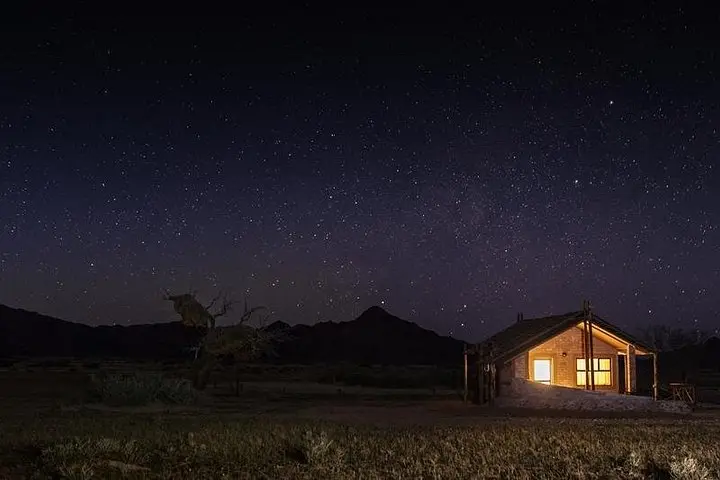
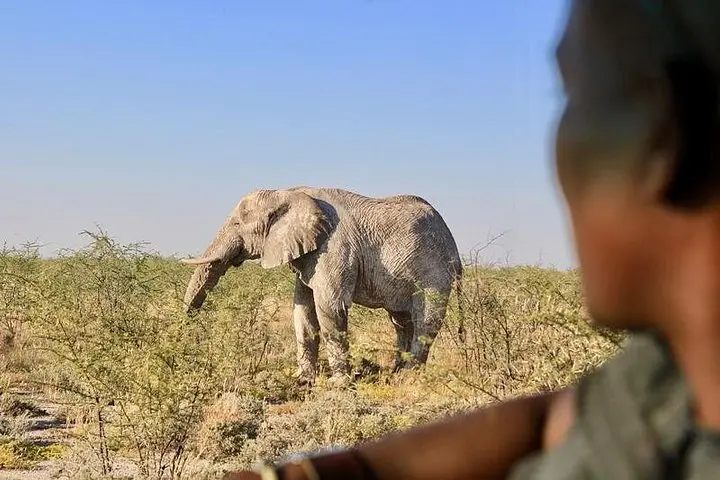
The route follows old caravan corridors and river courses carved into stone by the Kuiseb and Gaub passes. Sossusvlei’s dunes are not just photogenic shapes; they are ancient accumulations of sand blown from the interior over millennia and sculpted by katabatic winds. Nearby Sesriem Canyon, a narrow cleft where floodwater once pooled, offers a compact lesson in fluvial erosion. In Etosha, the pan—an inland playa—reflects an ecosystem driven by waterholes. Predators and grazers gather where the scarce life-sustaining water appears; floodlit waterholes at lodges deliver late-night sightings from the veranda.
Culture threads through the journey. Stops in Damaraland and encounters with Himba and Herero communities are opportunities to learn about pastoral lifeways and craft economies; respectful engagement and small purchases at markets directly support local families. Conservation is part of the itinerary: a one-hour cheetah project visit near Solitaire explains rehabilitation efforts for animals that cannot be released, and guides will often discuss park management in Etosha.
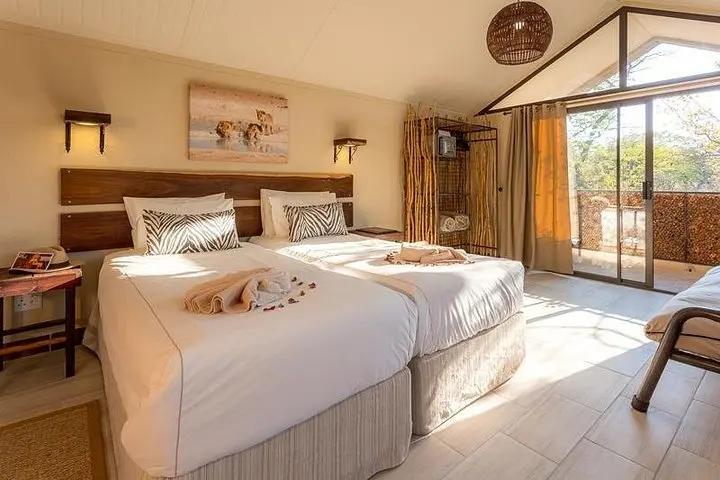
Practicalities: the tour is fully accommodated with five nights in twin-share rooms and travel in a custom, air-conditioned safari vehicle. Expect early starts—day five breaks predawn to reach the Sossusvlei gate for sunrise. The 2x4 parking area is roughly 55 km from the park access road; a 4x4 shuttle carries passengers into the dunes themselves. Game drives in Etosha include a full day and an afternoon session; Ombika Gate arrival is typically mid-afternoon on day one.
Prepare for extremes: intense sun and reflective sand by day, cool nights under dry desert air. Comfortable walking shoes and layered clothing are recommended—the Big Daddy dune climb is optional and physically demanding if attempted at midday. Bring a refillable water bottle, sunscreen, a wide-brim hat and camera with a telephoto for Etosha wildlife. Carry passport, travel insurance details and any visas; hotel pickup in Windhoek usually starts 30–60 minutes before departure.
This itinerary suits travelers with moderate fitness who want both photographic desert landscapes and classic African game viewing without rough camping. Timing your visit in Namibia’s dry season increases ease of wildlife spotting, while shoulder seasons offer softer light on the dunes. Bookings require at least two people within 30 days of departure and all sales are final—plan accordingly.
Passport and visa requirements depend on your nationality; check Namibia’s consulate guidance—your passport must be valid on day of travel.
Children are welcome but must share with two paying adults; assess stamina for long vehicle days and early starts.
Five breakfasts, multiple lunches and dinners are included as listed; park entry for Sossusvlei and Etosha is included with the itinerary descriptions.
Moderate fitness is required—expect walks on sand, a canyon descent and optional dune climbs; not suitable for serious back or heart issues.
Some northern regions of Namibia have seasonal malaria; consult a travel health clinic for current prophylaxis advice before travel.
Pickup within Windhoek is provided—confirm exact time 48 hours in advance and expect collection 30–60 minutes before departure.
Chameleon Safaris operates guided outdoor trips and adventures with an emphasis on safety, stewardship, and memorable experiences.
A low-slung dawn spreads over the Namib as the convoy slips out of camp and the driver eases the Toyota onto hardpan. Red dunes flare to life like a slow fire; camel-thorn silhouettes cut dark against the rising sun. For six days the landscape keeps changing—coastal fog and shipwreck bones, lunar pans, the salt-flat glare of Etosha, and sand seas that shift with each wind. This is a safari that pairs big-sky wildlife with desert geology, run from a base in Windhoek and threaded through Swakopmund, Damaraland, the Naukluft and Etosha.
A low-slung dawn spreads over the Namib as the convoy slips out of camp and the driver eases the Toyota onto hardpan. Red dunes flare to life like a slow fire; camel-thorn silhouettes cut dark against the rising sun. For six days the landscape keeps changing—coastal fog and shipwreck bones, lunar pans, the salt-flat glare of Etosha, and sand seas that shift with each wind. This is a safari that pairs big-sky wildlife with desert geology, run from a base in Windhoek and threaded through Swakopmund, Damaraland, the Naukluft and Etosha.
The route follows old caravan corridors and river courses carved into stone by the Kuiseb and Gaub passes. Sossusvlei’s dunes are not just photogenic shapes; they are ancient accumulations of sand blown from the interior over millennia and sculpted by katabatic winds. Nearby Sesriem Canyon, a narrow cleft where floodwater once pooled, offers a compact lesson in fluvial erosion. In Etosha, the pan—an inland playa—reflects an ecosystem driven by waterholes. Predators and grazers gather where the scarce life-sustaining water appears; floodlit waterholes at lodges deliver late-night sightings from the veranda.
Culture threads through the journey. Stops in Damaraland and encounters with Himba and Herero communities are opportunities to learn about pastoral lifeways and craft economies; respectful engagement and small purchases at markets directly support local families. Conservation is part of the itinerary: a one-hour cheetah project visit near Solitaire explains rehabilitation efforts for animals that cannot be released, and guides will often discuss park management in Etosha.
Practicalities: the tour is fully accommodated with five nights in twin-share rooms and travel in a custom, air-conditioned safari vehicle. Expect early starts—day five breaks predawn to reach the Sossusvlei gate for sunrise. The 2x4 parking area is roughly 55 km from the park access road; a 4x4 shuttle carries passengers into the dunes themselves. Game drives in Etosha include a full day and an afternoon session; Ombika Gate arrival is typically mid-afternoon on day one.
Prepare for extremes: intense sun and reflective sand by day, cool nights under dry desert air. Comfortable walking shoes and layered clothing are recommended—the Big Daddy dune climb is optional and physically demanding if attempted at midday. Bring a refillable water bottle, sunscreen, a wide-brim hat and camera with a telephoto for Etosha wildlife. Carry passport, travel insurance details and any visas; hotel pickup in Windhoek usually starts 30–60 minutes before departure.
This itinerary suits travelers with moderate fitness who want both photographic desert landscapes and classic African game viewing without rough camping. Timing your visit in Namibia’s dry season increases ease of wildlife spotting, while shoulder seasons offer softer light on the dunes. Bookings require at least two people within 30 days of departure and all sales are final—plan accordingly.