THE ADVENTURE COLLECTIVE® · Independent discovery and booking for outdoor travel

Cross from ice to jungle in six days: climb near Cotopaxi’s glacier, peer into Quilotoa’s emerald crater, feel Baños’ waterfalls and meet Amazonian wildlife and Kichwa communities. Practical tips on altitude, gear and timing help you plan every stage of this compact Ecuador traverse.
Cross from ice to jungle in six days: climb near Cotopaxi’s glacier, peer into Quilotoa’s emerald crater, feel Baños’ waterfalls and meet Amazonian wildlife and Kichwa communities. Practical tips on altitude, gear and timing help you plan every stage of this compact Ecuador traverse.
Dawn breaks over the eastern flank of the Andes and the bus hums away from Quito, cloud-wrapped city lights fading as peaks sharpen into silhouette. You climb into high grasslands where wind chisels the air; later the jungle lowers its humid hand and parrots chatter like an unseen alarm.
Verified experiences and guided adventures in the surrounding area.
Operated by Real Dreams Tour · Quito, Pichincha
Dawn breaks over the eastern flank of the Andes and the bus hums away from Quito, cloud-wrapped city lights fading as peaks sharpen into silhouette. You climb into high grasslands where wind chisels the air; later the jungle lowers its humid hand and parrots chatter like an unseen alarm.
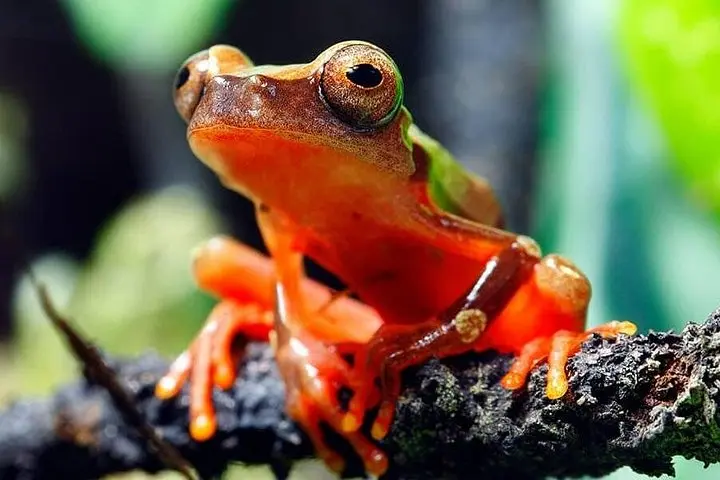
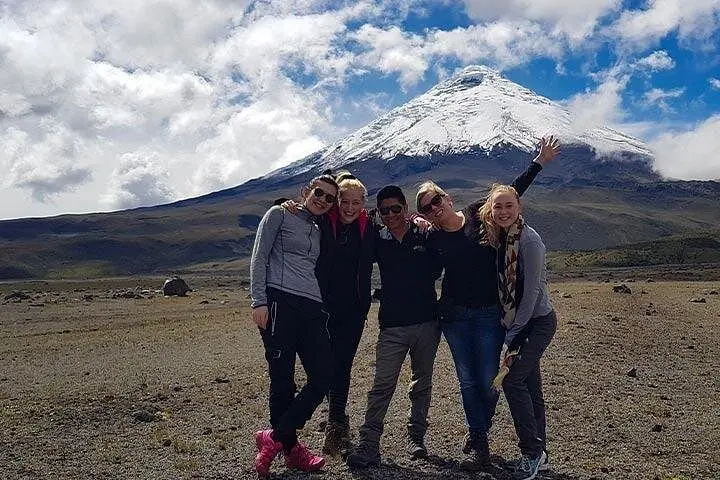
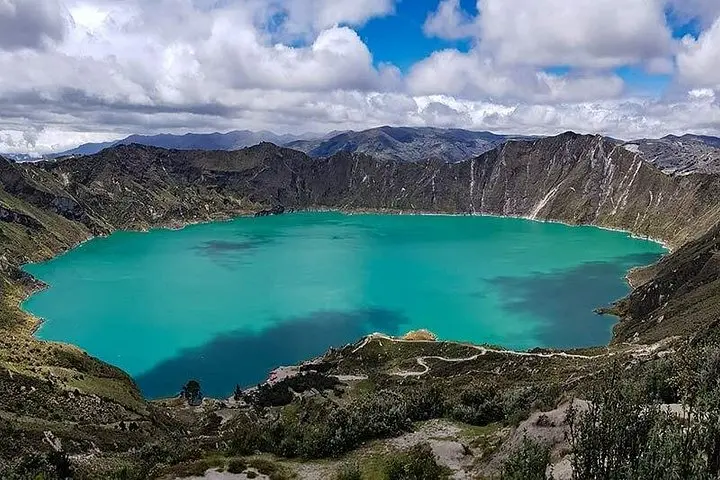
The route threads classic Ecuador: Cotopaxi’s volcanic cones and glacial shoulders shaped by repeated eruptions; Quilotoa’s mineral-rich crater lake carved by a catastrophic collapse; Baños’ cascades formed where Andean runoff dives toward the Amazon basin; and finally, the Oriente rainforest — a living archive of biodiversity and Kichwa culture.
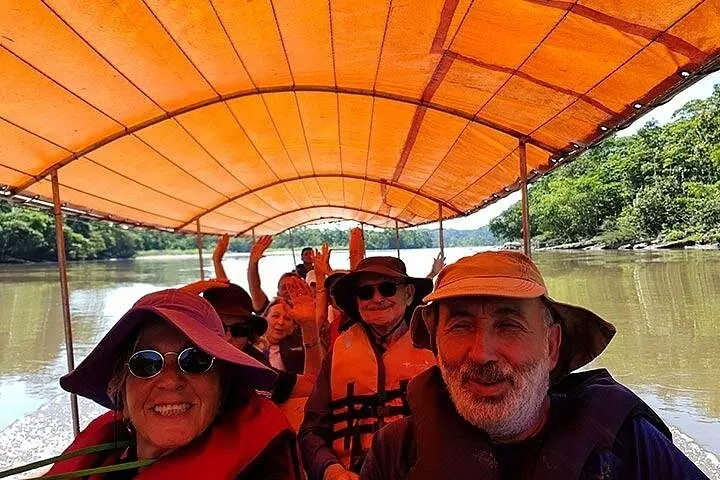
Expect geological contrasts: pumice slopes, high-altitude wetlands (páramo), steep volcanic calderas and the broad-leaf canopy of the Amazon. Cultural moments arrive as easily as the scenery — a Kichwa home demonstration of chicha and handicrafts, and the rickety thrill of tarabitas at waterfalls.
Practical guidance: plan for altitude — Cotopaxi approaches 4,600–5,000 m and Papallacta sits above 3,300 m — so move slowly, hydrate, and avoid heavy exertion on day one. Trails vary from short crater rim walks to several hours of rainforest hiking; solid waterproof boots and layered insulation are non-negotiable. Bring binoculars for parrot clay licks, a headlamp for nocturnal walks, and cash for small village purchases. Weather changes fast: a sunny morning at Quilotoa can turn to sleet within an hour.
This itinerary blends active hiking, wildlife viewing, cultural exchange and thermal-soak recovery — a compact cross-section of Ecuador’s dramatic environmental gradients, best enjoyed with curiosity, patience and respect for fragile highland and rainforest ecosystems.
Acclimatize in Quito for 24 hours, stay hydrated, avoid alcohol before high days, ascend gradually and notify guides of symptoms — they can adjust the itinerary.
No technical climbing skills are required; standard multi-day hiking fitness and comfort with canoe transfers and uneven trails are sufficient.
Check routine vaccinations and consult a travel clinic about yellow fever and malaria precautions depending on time of year; bring insect repellent and any personal medications.
Most departures start in Quito with private pickup; luggage is transported by vehicle but keep a small daypack for hikes — ask operator for specific size limits.
Real Dreams Tour operates guided outdoor trips and adventures with an emphasis on safety, stewardship, and memorable experiences.
Dawn breaks over the eastern flank of the Andes and the bus hums away from Quito, cloud-wrapped city lights fading as peaks sharpen into silhouette. You climb into high grasslands where wind chisels the air; later the jungle lowers its humid hand and parrots chatter like an unseen alarm.
Dawn breaks over the eastern flank of the Andes and the bus hums away from Quito, cloud-wrapped city lights fading as peaks sharpen into silhouette. You climb into high grasslands where wind chisels the air; later the jungle lowers its humid hand and parrots chatter like an unseen alarm.
The route threads classic Ecuador: Cotopaxi’s volcanic cones and glacial shoulders shaped by repeated eruptions; Quilotoa’s mineral-rich crater lake carved by a catastrophic collapse; Baños’ cascades formed where Andean runoff dives toward the Amazon basin; and finally, the Oriente rainforest — a living archive of biodiversity and Kichwa culture.
Expect geological contrasts: pumice slopes, high-altitude wetlands (páramo), steep volcanic calderas and the broad-leaf canopy of the Amazon. Cultural moments arrive as easily as the scenery — a Kichwa home demonstration of chicha and handicrafts, and the rickety thrill of tarabitas at waterfalls.
Practical guidance: plan for altitude — Cotopaxi approaches 4,600–5,000 m and Papallacta sits above 3,300 m — so move slowly, hydrate, and avoid heavy exertion on day one. Trails vary from short crater rim walks to several hours of rainforest hiking; solid waterproof boots and layered insulation are non-negotiable. Bring binoculars for parrot clay licks, a headlamp for nocturnal walks, and cash for small village purchases. Weather changes fast: a sunny morning at Quilotoa can turn to sleet within an hour.
This itinerary blends active hiking, wildlife viewing, cultural exchange and thermal-soak recovery — a compact cross-section of Ecuador’s dramatic environmental gradients, best enjoyed with curiosity, patience and respect for fragile highland and rainforest ecosystems.