THE ADVENTURE COLLECTIVE® · Independent discovery and booking for outdoor travel

A six‑day guided loop from Cairo to Luxor and Aswan that visits Giza, the Egyptian Museum, Karnak, the Valley of the Kings and Philae. Expect long days, temple walks on uneven stone, and docent‑led insights into millennia of Egyptian history.
A six‑day guided loop from Cairo to Luxor and Aswan that visits Giza, the Egyptian Museum, Karnak, the Valley of the Kings and Philae. Expect long days, temple walks on uneven stone, and docent‑led insights into millennia of Egyptian history.
The first glimpse of Cairo is a rush of warm air and layered city sounds: vans honking, vendors calling, and the Nile threading a slow, reflective line through the chaos. On this six‑day circuit—Cairo to Luxor to Aswan—the traveler moves from bustling modern streets to sand‑eroded cliffs and temple colonnades that still hold the shadow of ancient kings.
Verified experiences and guided adventures in the surrounding area.
Operated by Look at Egypt Tours · Cairo, Cairo Governorate
The first glimpse of Cairo is a rush of warm air and layered city sounds: vans honking, vendors calling, and the Nile threading a slow, reflective line through the chaos. On this six‑day circuit—Cairo to Luxor to Aswan—the traveler moves from bustling modern streets to sand‑eroded cliffs and temple colonnades that still hold the shadow of ancient kings.
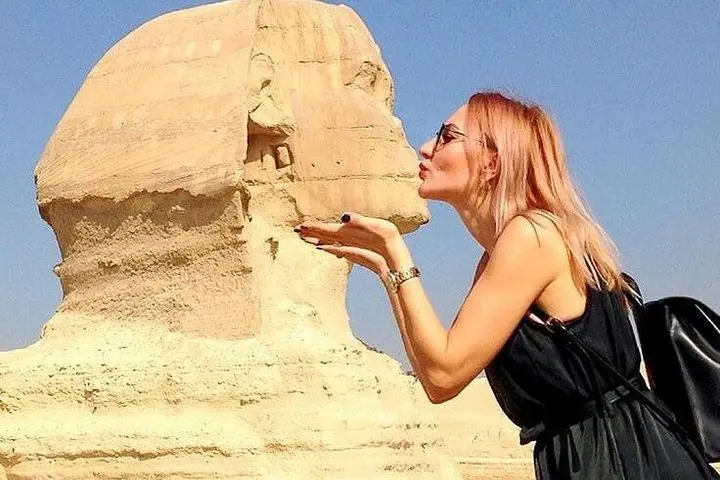
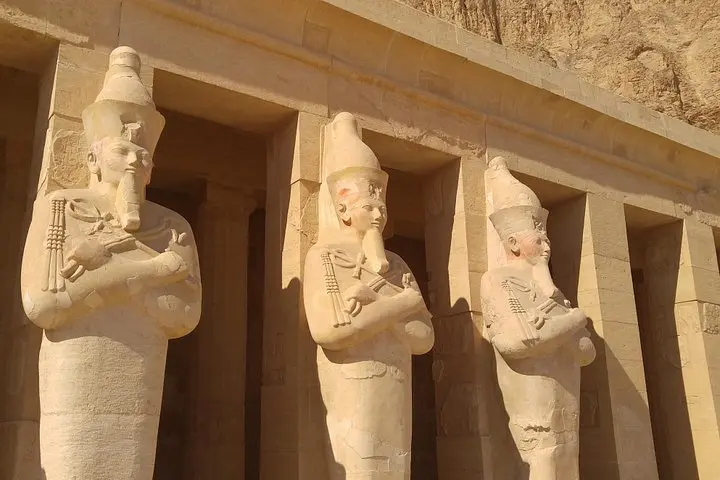
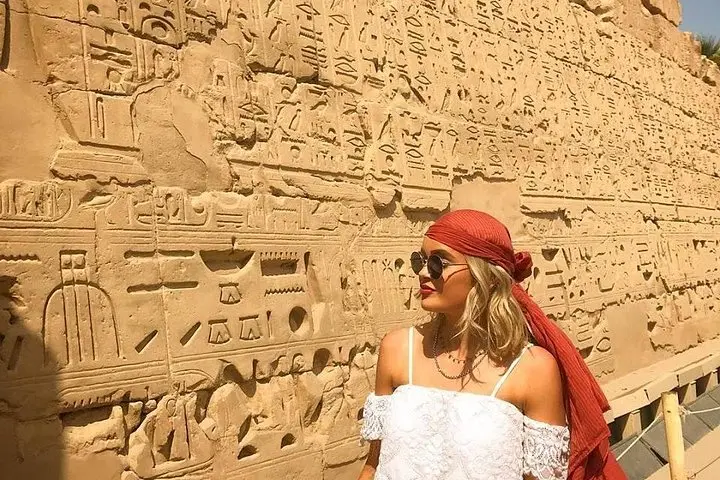
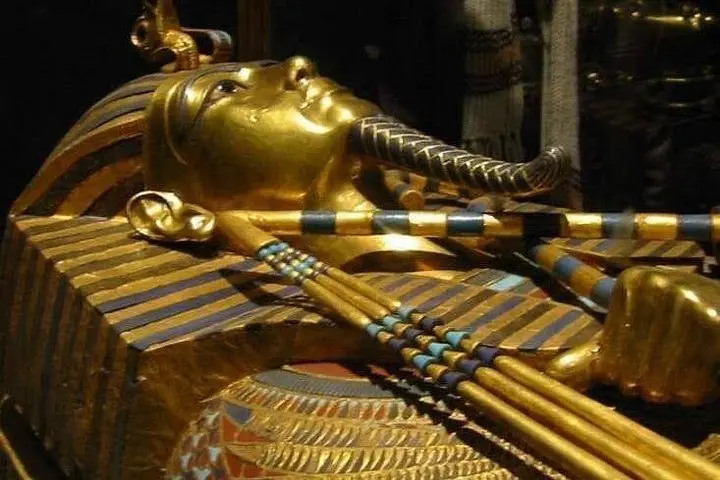
Cairo’s Giza plateau and the Egyptian Museum frame millennia of history: pharaonic burial rites, Greco‑Roman additions, and Coptic and Islamic city centers that grew atop older stones. In Luxor, the east bank’s Karnak and Luxor temples celebrate a long dynastic power; the west bank’s Valley of the Kings cuts into limestone, a geological archive of tomb builders and flood deposits. Aswan’s river islands and Philae tell a later chapter—Ptolemaic temples and a UNESCO relocation that saved monuments from the rising Nile.
Expect long days on paved and compacted paths, short guided walks inside temples, and a few boat transfers; the Nile will insist you slow down on felucca crossings. Guides usually cover entrance logistics and historical context; many sites now rotate tomb access to protect pigments and fragile reliefs.
Practical guidance: carry sun protection and a reusable water bottle, wear closed shoes for uneven temple ramps, and bring a compact scarf or long sleeves for mosque and church visits. Travel midweek early in the morning to avoid heat and crowds, and allow extra time for security checkpoints and ticket lines. With thoughtful pacing, this itinerary balances iconic sights with manageable logistics—an immersive primer to Egypt’s living past.
Yes; this itinerary includes domestic flights between Cairo–Luxor and Aswan–Cairo as listed, with transfers on arrival.
The trip notes include major site admissions, plus five breakfasts and three lunches; check your booking confirmation for specifics on any optional tickets.
Some sites have uneven ground and stairs; the tour lists wheelchair‑accessible transport but certain temple areas and tombs remain challenging for wheelchair users.
Egyptian authorities now rotate tomb access, use dehumidifiers, and limit flash photography to reduce damage; this can restrict the number of tombs open on any given day.
Look at Egypt Tours operates guided outdoor trips and adventures with an emphasis on safety, stewardship, and memorable experiences.
The first glimpse of Cairo is a rush of warm air and layered city sounds: vans honking, vendors calling, and the Nile threading a slow, reflective line through the chaos. On this six‑day circuit—Cairo to Luxor to Aswan—the traveler moves from bustling modern streets to sand‑eroded cliffs and temple colonnades that still hold the shadow of ancient kings.
The first glimpse of Cairo is a rush of warm air and layered city sounds: vans honking, vendors calling, and the Nile threading a slow, reflective line through the chaos. On this six‑day circuit—Cairo to Luxor to Aswan—the traveler moves from bustling modern streets to sand‑eroded cliffs and temple colonnades that still hold the shadow of ancient kings.
Cairo’s Giza plateau and the Egyptian Museum frame millennia of history: pharaonic burial rites, Greco‑Roman additions, and Coptic and Islamic city centers that grew atop older stones. In Luxor, the east bank’s Karnak and Luxor temples celebrate a long dynastic power; the west bank’s Valley of the Kings cuts into limestone, a geological archive of tomb builders and flood deposits. Aswan’s river islands and Philae tell a later chapter—Ptolemaic temples and a UNESCO relocation that saved monuments from the rising Nile.
Expect long days on paved and compacted paths, short guided walks inside temples, and a few boat transfers; the Nile will insist you slow down on felucca crossings. Guides usually cover entrance logistics and historical context; many sites now rotate tomb access to protect pigments and fragile reliefs.
Practical guidance: carry sun protection and a reusable water bottle, wear closed shoes for uneven temple ramps, and bring a compact scarf or long sleeves for mosque and church visits. Travel midweek early in the morning to avoid heat and crowds, and allow extra time for security checkpoints and ticket lines. With thoughtful pacing, this itinerary balances iconic sights with manageable logistics—an immersive primer to Egypt’s living past.