THE ADVENTURE COLLECTIVE® · Independent discovery and booking for outdoor travel

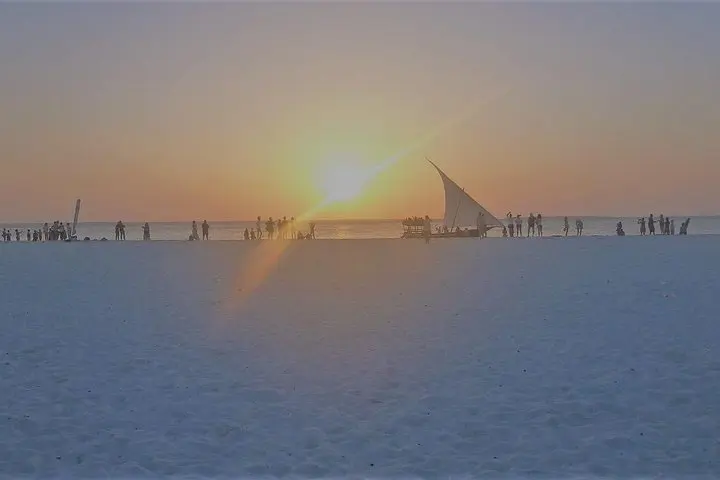
Board a short domestic flight from Dar es Salaam and plunge into Ruaha’s vast wilderness for consecutive game drives, then finish on the beaches of Zanzibar. This six-day flying safari pairs concentrated wildlife viewing with efficient travel logistics.
Board a short domestic flight from Dar es Salaam and plunge into Ruaha’s vast wilderness for consecutive game drives, then finish on the beaches of Zanzibar. This six-day flying safari pairs concentrated wildlife viewing with efficient travel logistics.
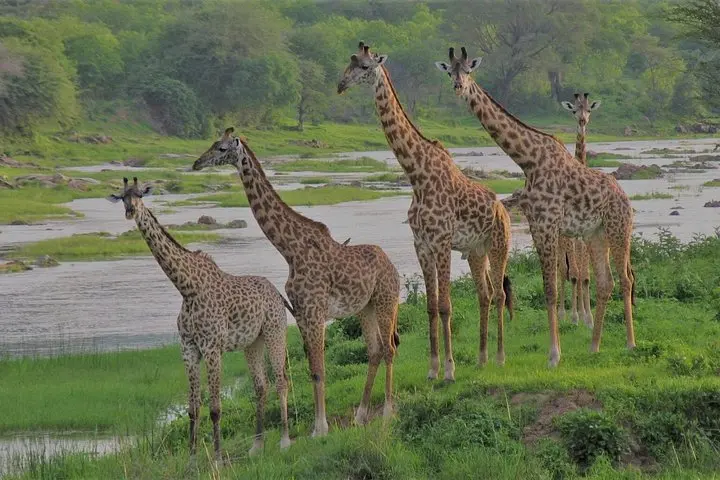
Dawn on the airstrip cuts through a cool, red light as a small twin-engine plane lifts off over Dar es Salaam, the city shrinking into a ribbon of coastline. Ninety minutes later the landscape changes to broad, ochre plains and the Ruaha’s river lace — an open, raw wilderness where elephants move like weather and kudu browse under fever trees.
Verified experiences and guided adventures in the surrounding area.
Operated by Go-Giraffe Safaris Limited · Msembe, Iringa Region
Dawn on the airstrip cuts through a cool, red light as a small twin-engine plane lifts off over Dar es Salaam, the city shrinking into a ribbon of coastline. Ninety minutes later the landscape changes to broad, ochre plains and the Ruaha’s river lace — an open, raw wilderness where elephants move like weather and kudu browse under fever trees.
Ruaha National Park, declared a national park in the mid-20th century and one of Tanzania’s largest protected areas, is shaped by ancient geology: red-brown hills, seasonally swollen rivers and rocky outcrops that funnel wildlife into concentrated viewing corridors. The park’s culture is rural and pastoral — Maasai and Barabaig communities live on its edges and have long shaped grazing patterns that now intersect with conservation zones.
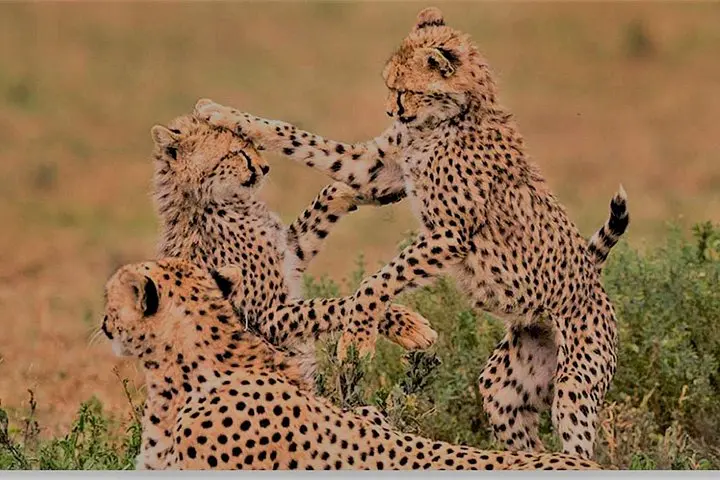
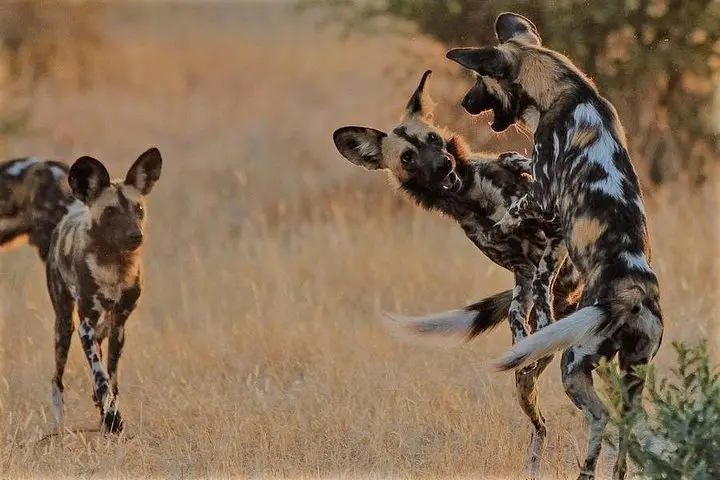
On a flying safari, guests trade long transfers for early flights and full days of vehicle-based game drives. Expect long hours in a pop-up-roof 4x4, guided by trackers who read spoor and sky alike; early mornings and late afternoons are prime for predators, while rivers hold hippos and rich birdlife.
Practical guidance: book dry-season flights (June–October) for the best visibility, pack neutral layers for warm days and chilly mornings, and carry a well-charged camera and binoculars. Bring mosquito protection and basic meds—remote airstrips and lodges have limited facilities. With modest fitness and sensible planning, this itinerary pairs high wildlife encounter rates in Ruaha with a relaxed transfer to Zanzibar’s beaches for a contrasting finish to the trip.
Small charter aircraft typically limit baggage to soft bags under ~15–20 kg; confirm Auric Air or operator rules and pack accordingly.
Malaria is present in the area—consult your travel clinic for recommended prophylaxis and routine vaccinations before travel.
Many lodges and airstrips offer basic assistance; the operator lists wheelchair accessibility, but check specific lodge facilities and transfer arrangements in advance.
Tipping is customary in Tanzania; guides and drivers typically receive tips in cash—budget accordingly for the group and lodge staff gratuities.
Go-Giraffe Safaris Limited operates guided outdoor trips and adventures with an emphasis on safety, stewardship, and memorable experiences.
Dawn on the airstrip cuts through a cool, red light as a small twin-engine plane lifts off over Dar es Salaam, the city shrinking into a ribbon of coastline. Ninety minutes later the landscape changes to broad, ochre plains and the Ruaha’s river lace — an open, raw wilderness where elephants move like weather and kudu browse under fever trees.
Dawn on the airstrip cuts through a cool, red light as a small twin-engine plane lifts off over Dar es Salaam, the city shrinking into a ribbon of coastline. Ninety minutes later the landscape changes to broad, ochre plains and the Ruaha’s river lace — an open, raw wilderness where elephants move like weather and kudu browse under fever trees.
Ruaha National Park, declared a national park in the mid-20th century and one of Tanzania’s largest protected areas, is shaped by ancient geology: red-brown hills, seasonally swollen rivers and rocky outcrops that funnel wildlife into concentrated viewing corridors. The park’s culture is rural and pastoral — Maasai and Barabaig communities live on its edges and have long shaped grazing patterns that now intersect with conservation zones.
On a flying safari, guests trade long transfers for early flights and full days of vehicle-based game drives. Expect long hours in a pop-up-roof 4x4, guided by trackers who read spoor and sky alike; early mornings and late afternoons are prime for predators, while rivers hold hippos and rich birdlife.
Practical guidance: book dry-season flights (June–October) for the best visibility, pack neutral layers for warm days and chilly mornings, and carry a well-charged camera and binoculars. Bring mosquito protection and basic meds—remote airstrips and lodges have limited facilities. With modest fitness and sensible planning, this itinerary pairs high wildlife encounter rates in Ruaha with a relaxed transfer to Zanzibar’s beaches for a contrasting finish to the trip.