THE ADVENTURE COLLECTIVE® · Independent discovery and booking for outdoor travel

Island-hop the Galapagos in six days: from sea lion beaches and El Junco’s freshwater lake to the rim of Sierra Negra and the Charles Darwin Research Station. Expect hikes, guided kayaks and close wildlife encounters — even if you’re not a strong swimmer.
Island-hop the Galapagos in six days: from sea lion beaches and El Junco’s freshwater lake to the rim of Sierra Negra and the Charles Darwin Research Station. Expect hikes, guided kayaks and close wildlife encounters — even if you’re not a strong swimmer.
You step off the small plane and the air smells of salt and sun; lava fields arc toward a restless Pacific that seems to push you forward. On San Cristóbal you can walk past sea lions dozing on black-rock shores, then climb into the highlands where giant tortoises move through cactus stands with a slow, deliberate confidence.
Verified experiences and guided adventures in the surrounding area.
Operated by Rebecca Adventure Travel · Puerto Ayora, Galápagos
You step off the small plane and the air smells of salt and sun; lava fields arc toward a restless Pacific that seems to push you forward. On San Cristóbal you can walk past sea lions dozing on black-rock shores, then climb into the highlands where giant tortoises move through cactus stands with a slow, deliberate confidence.
The islands read like a living geology class — shield volcanoes, young lava flows and calderas such as Sierra Negra's broad rim, which at roughly 10 km across ranks among the world's largest. Charles Darwin’s visits here shaped modern evolutionary thought; today the Research Station continues that legacy through captive-breeding and habitat restoration.
Island life is practical and local: small towns built around ports, family-run guesthouses, and fishermen bringing in the day’s catch. Culture is quiet but warm — expect Spanish as the dominant language and markets selling fresh fruit, seafood and handicrafts.
Practical guidance: the 6-day route hops San Cristóbal, Isabela and Santa Cruz with boat and light-air transfers; bring small, soft-sided luggage (airline limit ~12 kg). Trails range from short beach walks to a 4–6 hour trek to Sierra Negra’s rim — expect uneven volcanic terrain and strong equatorial sun. Guided kayaks and snorkel options are included but non-swimmers can still enjoy wildlife viewing from shore and guided walks.
Health and logistics: use bottled or purified water, carry reef-safe sunscreen, and know that itineraries can shift with weather or park regulations. Travel light, move deliberately, and let the islands’ wildlife set the pace.
No — many activities are shore-based walks and guided wildlife viewing; kayaking and snorkeling are optional and guides can accommodate non-swimmers.
Fees vary and are typically paid locally; the operator will detail exact amounts in your voucher prior to travel.
Local flights usually limit checked luggage to about 12 kg and small carry-on — soft-sided bags are recommended for easy storage.
No — tap water may contain bacteria; use bottled or purified water for drinking and brushing teeth.
Rebecca Adventure Travel operates guided outdoor trips and adventures with an emphasis on safety, stewardship, and memorable experiences.
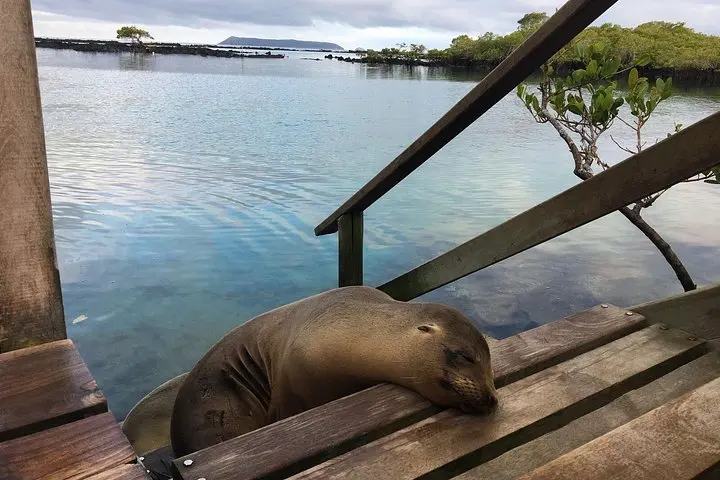
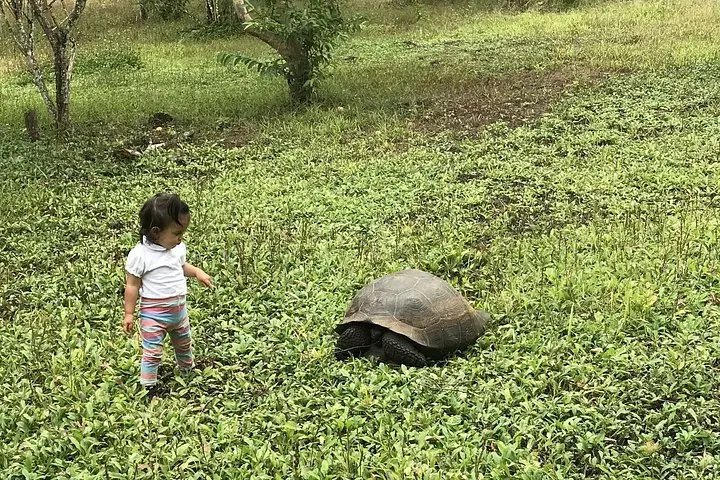
You step off the small plane and the air smells of salt and sun; lava fields arc toward a restless Pacific that seems to push you forward. On San Cristóbal you can walk past sea lions dozing on black-rock shores, then climb into the highlands where giant tortoises move through cactus stands with a slow, deliberate confidence.
You step off the small plane and the air smells of salt and sun; lava fields arc toward a restless Pacific that seems to push you forward. On San Cristóbal you can walk past sea lions dozing on black-rock shores, then climb into the highlands where giant tortoises move through cactus stands with a slow, deliberate confidence.
The islands read like a living geology class — shield volcanoes, young lava flows and calderas such as Sierra Negra's broad rim, which at roughly 10 km across ranks among the world's largest. Charles Darwin’s visits here shaped modern evolutionary thought; today the Research Station continues that legacy through captive-breeding and habitat restoration.
Island life is practical and local: small towns built around ports, family-run guesthouses, and fishermen bringing in the day’s catch. Culture is quiet but warm — expect Spanish as the dominant language and markets selling fresh fruit, seafood and handicrafts.
Practical guidance: the 6-day route hops San Cristóbal, Isabela and Santa Cruz with boat and light-air transfers; bring small, soft-sided luggage (airline limit ~12 kg). Trails range from short beach walks to a 4–6 hour trek to Sierra Negra’s rim — expect uneven volcanic terrain and strong equatorial sun. Guided kayaks and snorkel options are included but non-swimmers can still enjoy wildlife viewing from shore and guided walks.
Health and logistics: use bottled or purified water, carry reef-safe sunscreen, and know that itineraries can shift with weather or park regulations. Travel light, move deliberately, and let the islands’ wildlife set the pace.