THE ADVENTURE COLLECTIVE® · Independent discovery and booking for outdoor travel

Trace Mughal monuments, royal palaces and vibrant bazaars on a six‑day loop through Delhi, Agra and Jaipur. This practical guide highlights what to expect—distances, walking terrain, and the best times to see the Taj and Amber Fort.
Trace Mughal monuments, royal palaces and vibrant bazaars on a six‑day loop through Delhi, Agra and Jaipur. This practical guide highlights what to expect—distances, walking terrain, and the best times to see the Taj and Amber Fort.
You step out into the cooling air of a Delhi morning as rickshaws thread between colonial avenues and Mughal gateways, the city’s pulse announcing the start of six days on India’s most famous circuit.
Verified experiences and guided adventures in the surrounding area.
Operated by Vivek Handa, Tour Guide Delhi-Agra-Jaipur · New Delhi, Delhi
You step out into the cooling air of a Delhi morning as rickshaws thread between colonial avenues and Mughal gateways, the city’s pulse announcing the start of six days on India’s most famous circuit.
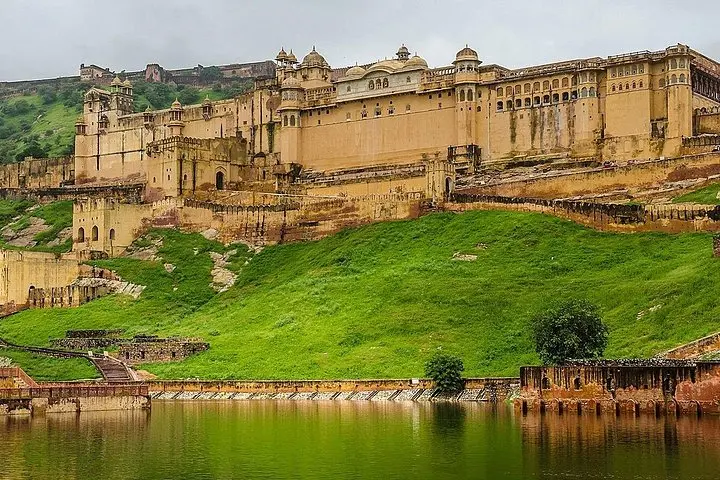
From New Delhi’s broad boulevards and Humayun’s Tomb to the Taj Mahal’s marble hush on the Yamuna, then onward to Jaipur’s hilltop Amber Fort, the route reads like a catalog of imperial craftsmanship. Geologically the route sits on the Indo‑Gangetic plain—flat, low‑lying ground (Delhi ≈216 m, Agra ≈170 m) until the Aravalli foothills lift Jaipur to roughly 431 m; expect paved city streets, occasional cobblestones at fort complexes, and a short steep scramble up Amber Fort’s ramparts (roughly 100–150 m of ascent across steps and ramps).
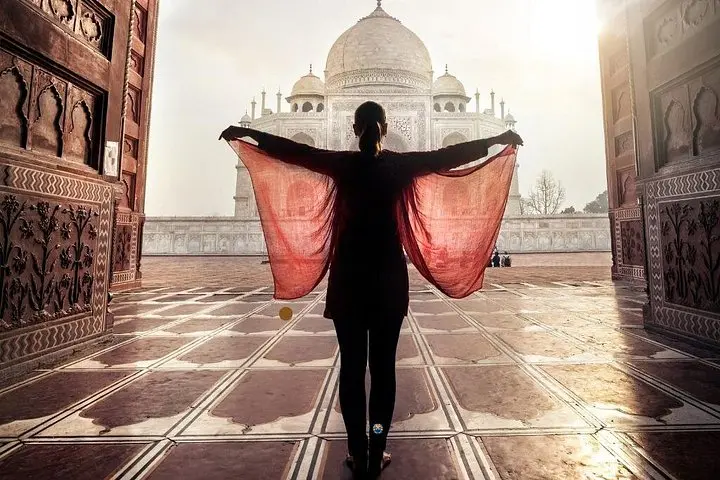
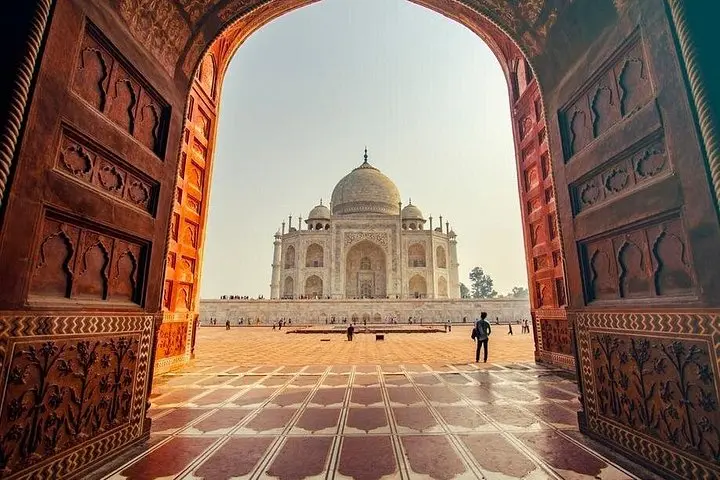
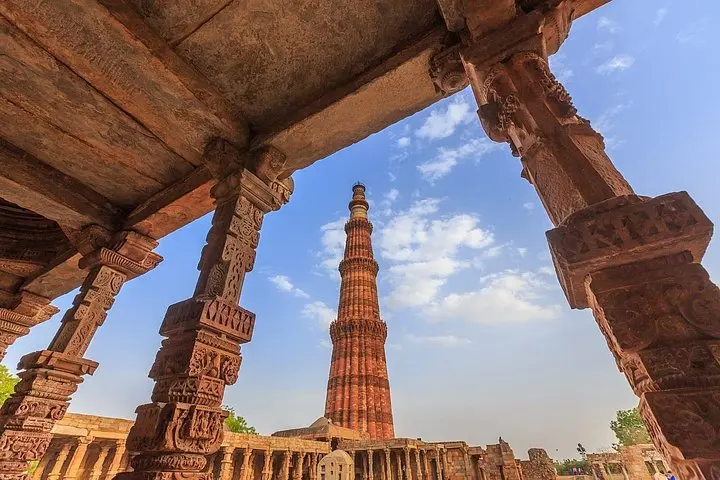
History arrives in layers: Mughal gardens, Shah Jahan’s Taj, Akbar’s red‑sandstone capital at Fatehpur Sikri, and the Rajput palaces of Jaipur. Culture is immediate—bazaar haggling, chai stalls, and artisans in vibrant lanes. The Yamuna will dare you to frame the Taj at sunrise; the city markets push you into color and sound.
Practicalities: the drive from Delhi to Agra is about 200 km (3–4 hours); Agra to Jaipur via Fatehpur Sikri is roughly 240 km (4–5 hours); Jaipur back to Delhi takes about 5 hours by road. Carry a reusable water bottle, wear sturdy walking shoes for uneven fort surfaces, and time the Taj visit for sunrise or late afternoon to avoid peak heat. Pack a light layer for cool winter mornings and allow extra time for traffic when moving between cities.
This itinerary blends photography, history, and walkable exploration—accessible, culturally dense, and mechanically simple for first‑time visitors to northern India.
Most site admissions are not included in the base price—your itinerary notes when entry is covered; guides can advise and arrange tickets on arrival.
Yes, this is a private tour with private air‑conditioned vehicle transfers and hotel/airport pickup and drop‑off included per the itinerary.
Many public spaces are accessible and the tour lists wheelchair‑accessible options, but some historic sites have steps and uneven surfaces—check specific site accessibility in advance.
October–March (cooler, dry weather) is ideal; avoid peak summer (May–June) for high heat and the monsoon (June–September) for occasional heavy rains.
Vivek Handa, Tour Guide Delhi-Agra-Jaipur operates guided outdoor trips and adventures with an emphasis on safety, stewardship, and memorable experiences.
You step out into the cooling air of a Delhi morning as rickshaws thread between colonial avenues and Mughal gateways, the city’s pulse announcing the start of six days on India’s most famous circuit.
You step out into the cooling air of a Delhi morning as rickshaws thread between colonial avenues and Mughal gateways, the city’s pulse announcing the start of six days on India’s most famous circuit.
From New Delhi’s broad boulevards and Humayun’s Tomb to the Taj Mahal’s marble hush on the Yamuna, then onward to Jaipur’s hilltop Amber Fort, the route reads like a catalog of imperial craftsmanship. Geologically the route sits on the Indo‑Gangetic plain—flat, low‑lying ground (Delhi ≈216 m, Agra ≈170 m) until the Aravalli foothills lift Jaipur to roughly 431 m; expect paved city streets, occasional cobblestones at fort complexes, and a short steep scramble up Amber Fort’s ramparts (roughly 100–150 m of ascent across steps and ramps).
History arrives in layers: Mughal gardens, Shah Jahan’s Taj, Akbar’s red‑sandstone capital at Fatehpur Sikri, and the Rajput palaces of Jaipur. Culture is immediate—bazaar haggling, chai stalls, and artisans in vibrant lanes. The Yamuna will dare you to frame the Taj at sunrise; the city markets push you into color and sound.
Practicalities: the drive from Delhi to Agra is about 200 km (3–4 hours); Agra to Jaipur via Fatehpur Sikri is roughly 240 km (4–5 hours); Jaipur back to Delhi takes about 5 hours by road. Carry a reusable water bottle, wear sturdy walking shoes for uneven fort surfaces, and time the Taj visit for sunrise or late afternoon to avoid peak heat. Pack a light layer for cool winter mornings and allow extra time for traffic when moving between cities.
This itinerary blends photography, history, and walkable exploration—accessible, culturally dense, and mechanically simple for first‑time visitors to northern India.