THE ADVENTURE COLLECTIVE® · Independent discovery and booking for outdoor travel

A compact six-day loop from Delhi to Agra, Ranthambore and Jaipur that pairs Taj Mahal sunrise/sunset visits with morning and afternoon tiger safaris. Expect early starts, guided cultural stops, and heightened wildlife-watch etiquette.
A compact six-day loop from Delhi to Agra, Ranthambore and Jaipur that pairs Taj Mahal sunrise/sunset visits with morning and afternoon tiger safaris. Expect early starts, guided cultural stops, and heightened wildlife-watch etiquette.
The morning light on the Yamuna slices the Taj Mahal in slow motion—pale marble warming from pearly white to honeyed gold—while in the dry scrub of Ranthambore a tiger pads through tamarind and khair, patient and undeniable. This six-day loop across Delhi, Agra, Ranthambore and Jaipur moves fast: colonial boulevards and Mughal mausoleums give way to jeep tracks and pink sandstone palaces.
Verified experiences and guided adventures in the surrounding area.
Operated by Joyful Holidays · New Delhi, Delhi
The morning light on the Yamuna slices the Taj Mahal in slow motion—pale marble warming from pearly white to honeyed gold—while in the dry scrub of Ranthambore a tiger pads through tamarind and khair, patient and undeniable. This six-day loop across Delhi, Agra, Ranthambore and Jaipur moves fast: colonial boulevards and Mughal mausoleums give way to jeep tracks and pink sandstone palaces.
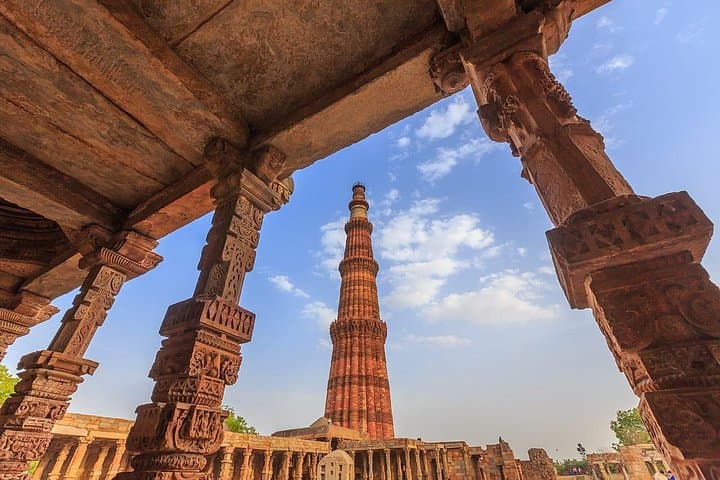
The route threads Mughal history and Rajput culture. Delhi’s Qutub Minar and India Gate reflect centuries of imperial architecture; Agra’s Taj and Agra Fort are Mughal-era markers of craft and power; Jaipur’s forts and observatory speak to Rajput court life. Geologically, the Aravalli outcrops around Ranthambore create rocky islands within the Vindhyan plains that tigers use as lookout points.
Expect early wake-ups for safaris (morning and afternoon), guided city walks, and a Taj visit timed for sunset or sunrise light. Wildlife sightings are never guaranteed but the reserve’s open lakes and clear lines of sight improve the odds; guides read spoor, waterholes and seasonal patterns to find game. Practicalities matter: heat in summer can be intense—hydrate and schedule outdoor time around dawn and dusk. Carry photocopies of passports for hotels and park permits, and download e-tickets where possible. Wear neutral clothing on safari, keep cameras ready but secure, and follow your guide’s directions around wildlife.
This itinerary is compact but accessible—ideal for travelers seeking a high-impact sampler of India’s monuments and wildlife without deep logistical planning.
No—sightings are never guaranteed. Ranthambore has a healthy tiger population and guides use experience and patrol info to maximize chances, but wildlife is unpredictable.
Most international visitors require a valid Indian visa or e-Visa—check your nationality’s requirements and apply well before travel; carry a printed copy while touring.
October–March is generally best: cooler weather, clearer skies and Ranthambore’s safaris operating after the monsoon closure that typically runs mid-July to mid-October.
This package lists hotel accommodation (3–5 star options available) and transfers by air-conditioned vehicle, plus private guides and two shared safaris in Ranthambore per the itinerary.
Joyful Holidays operates guided outdoor trips and adventures with an emphasis on safety, stewardship, and memorable experiences.
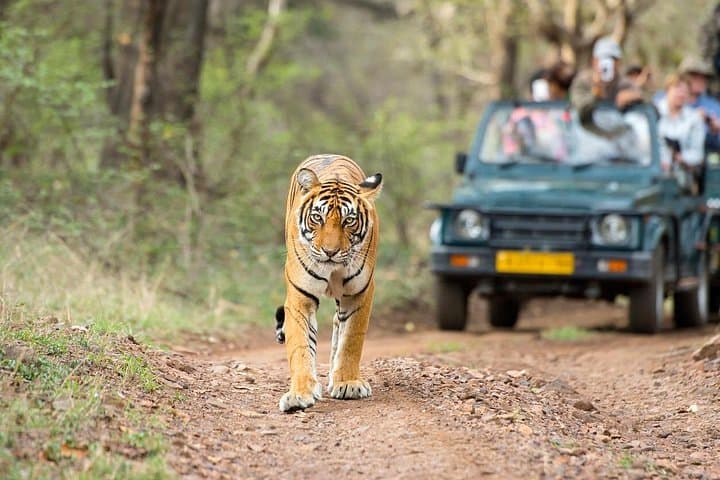


The morning light on the Yamuna slices the Taj Mahal in slow motion—pale marble warming from pearly white to honeyed gold—while in the dry scrub of Ranthambore a tiger pads through tamarind and khair, patient and undeniable. This six-day loop across Delhi, Agra, Ranthambore and Jaipur moves fast: colonial boulevards and Mughal mausoleums give way to jeep tracks and pink sandstone palaces.
The morning light on the Yamuna slices the Taj Mahal in slow motion—pale marble warming from pearly white to honeyed gold—while in the dry scrub of Ranthambore a tiger pads through tamarind and khair, patient and undeniable. This six-day loop across Delhi, Agra, Ranthambore and Jaipur moves fast: colonial boulevards and Mughal mausoleums give way to jeep tracks and pink sandstone palaces.
The route threads Mughal history and Rajput culture. Delhi’s Qutub Minar and India Gate reflect centuries of imperial architecture; Agra’s Taj and Agra Fort are Mughal-era markers of craft and power; Jaipur’s forts and observatory speak to Rajput court life. Geologically, the Aravalli outcrops around Ranthambore create rocky islands within the Vindhyan plains that tigers use as lookout points.
Expect early wake-ups for safaris (morning and afternoon), guided city walks, and a Taj visit timed for sunset or sunrise light. Wildlife sightings are never guaranteed but the reserve’s open lakes and clear lines of sight improve the odds; guides read spoor, waterholes and seasonal patterns to find game. Practicalities matter: heat in summer can be intense—hydrate and schedule outdoor time around dawn and dusk. Carry photocopies of passports for hotels and park permits, and download e-tickets where possible. Wear neutral clothing on safari, keep cameras ready but secure, and follow your guide’s directions around wildlife.
This itinerary is compact but accessible—ideal for travelers seeking a high-impact sampler of India’s monuments and wildlife without deep logistical planning.