THE ADVENTURE COLLECTIVE® · Independent discovery and booking for outdoor travel

A private 6‑day safari linking Tarangire, the Ndutu plains of the Serengeti, and Ngorongoro Crater—timed to place you at the heart of the Great Migration. Expect long game drives, intimate camps, and close encounters with herds and predators.
A private 6‑day safari linking Tarangire, the Ndutu plains of the Serengeti, and Ngorongoro Crater—timed to place you at the heart of the Great Migration. Expect long game drives, intimate camps, and close encounters with herds and predators.
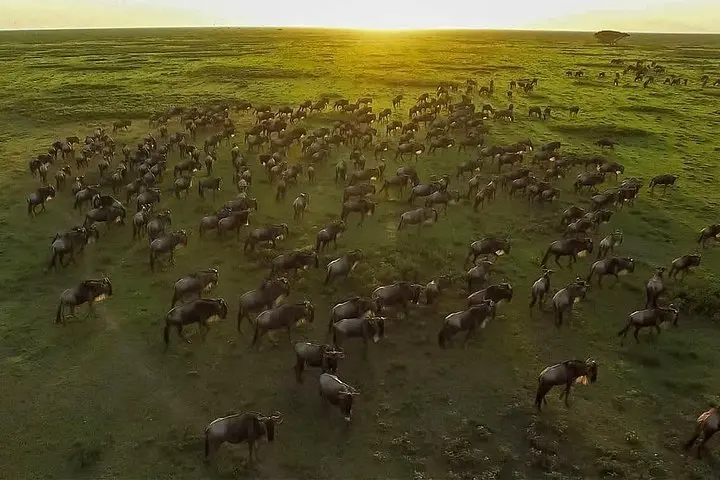
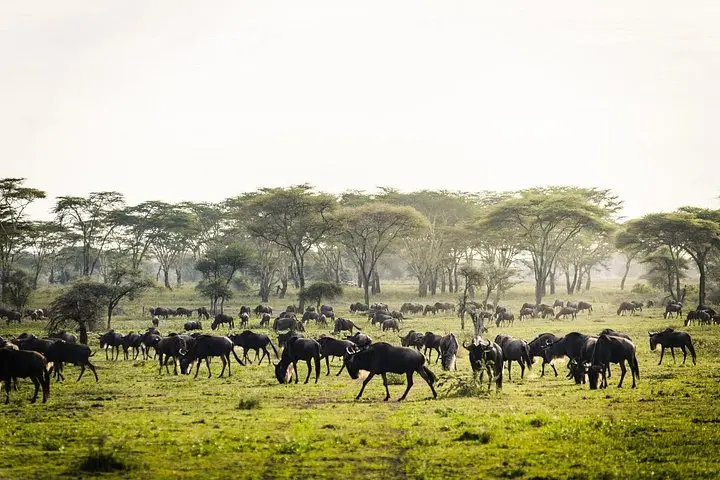
The tour begins before sunrise, when the Serengeti’s grasses breathe steam into a wide sky and the 4x4 rumbles off toward a horizon that looks as if it were carved for motion. Elephants shadow watering holes, and the plains seem to push you forward toward herds that never stop moving.
Verified experiences and guided adventures in the surrounding area.
Operated by Nashivai Safaris · Arusha, Arusha Region
The tour begins before sunrise, when the Serengeti’s grasses breathe steam into a wide sky and the 4x4 rumbles off toward a horizon that looks as if it were carved for motion. Elephants shadow watering holes, and the plains seem to push you forward toward herds that never stop moving.
This 6‑day loop threads three of northern Tanzania’s most storied landscapes: Tarangire’s baobab-studded savannahs, the Ndutu plains of the southern Serengeti where the Great Migration calves in Dec–Apr, and the ancient Ngorongoro Crater, a volcanic caldera whose steep rim shelters dense wildlife below. Geologically the region is volcanic—Ngorongoro is a collapsed super‑volcano—and soils and water distribution shape where animals gather. Culturally, Maasai villages punctuate the highlands; their presence and pastoral practices are part of the ecosystem visitors will observe.
Expect long game drives (several hours between parks), early starts to catch predators at dawn, and evenings at lodges or intimate camps under clear southern skies. Vehicles are private 4x4s with an English-speaking guide; park fees and meals are included in this itinerary.
Practical guidance: carry high-SPF sun protection and a refillable water bottle, bring binoculars and layered clothes for 1,400–2,400 m elevation swings, and plan for dusty roads—motion‑friendly luggage helps. Malaria risk exists; discuss prophylaxis with a travel health clinic. Timing matters: visit Dec–Apr for calving in Ndutu, or Jun–Oct for dryer roads and broader northern movements. Respect wildlife distances, support local guides with tips, and keep batteries charged—some of the best wildlife moments arrive without warning.
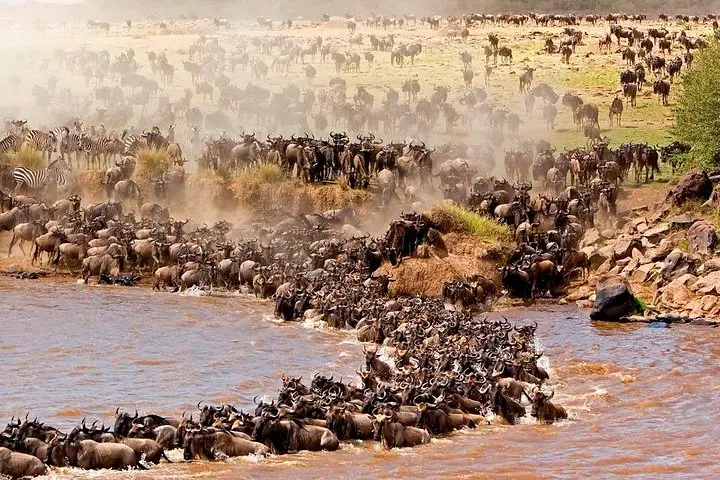
For calving in the Ndutu area choose Dec–Apr; for northern concentrations and river crossings aim for Jun–Oct, but wildlife is present year‑round.
Yes—this itinerary lists park entrance fees, government taxes, and meals as included; confirm specific lodge allocations at booking.
Expect drives from 2–6 hours depending on park transfers and game‑drive detours; some days involve longer transit to reach remote areas.
Routine travel vaccines are recommended and malaria prophylaxis is advised—consult a travel health clinic well before departure.
Nashivai Safaris operates guided outdoor trips and adventures with an emphasis on safety, stewardship, and memorable experiences.
The tour begins before sunrise, when the Serengeti’s grasses breathe steam into a wide sky and the 4x4 rumbles off toward a horizon that looks as if it were carved for motion. Elephants shadow watering holes, and the plains seem to push you forward toward herds that never stop moving.
The tour begins before sunrise, when the Serengeti’s grasses breathe steam into a wide sky and the 4x4 rumbles off toward a horizon that looks as if it were carved for motion. Elephants shadow watering holes, and the plains seem to push you forward toward herds that never stop moving.
This 6‑day loop threads three of northern Tanzania’s most storied landscapes: Tarangire’s baobab-studded savannahs, the Ndutu plains of the southern Serengeti where the Great Migration calves in Dec–Apr, and the ancient Ngorongoro Crater, a volcanic caldera whose steep rim shelters dense wildlife below. Geologically the region is volcanic—Ngorongoro is a collapsed super‑volcano—and soils and water distribution shape where animals gather. Culturally, Maasai villages punctuate the highlands; their presence and pastoral practices are part of the ecosystem visitors will observe.
Expect long game drives (several hours between parks), early starts to catch predators at dawn, and evenings at lodges or intimate camps under clear southern skies. Vehicles are private 4x4s with an English-speaking guide; park fees and meals are included in this itinerary.
Practical guidance: carry high-SPF sun protection and a refillable water bottle, bring binoculars and layered clothes for 1,400–2,400 m elevation swings, and plan for dusty roads—motion‑friendly luggage helps. Malaria risk exists; discuss prophylaxis with a travel health clinic. Timing matters: visit Dec–Apr for calving in Ndutu, or Jun–Oct for dryer roads and broader northern movements. Respect wildlife distances, support local guides with tips, and keep batteries charged—some of the best wildlife moments arrive without warning.