THE ADVENTURE COLLECTIVE® · Independent discovery and booking for outdoor travel

A compact, private six-day route that pairs Jordan’s greatest hits — Dead Sea buoyancy, Petra’s carved rose stone, Wadi Rum’s desert theater — with a day in Jerusalem’s Old City. Expect active days, private transport, and local guides who move the logistical pieces so you can focus on the places.
A compact, private six-day route that pairs Jordan’s greatest hits — Dead Sea buoyancy, Petra’s carved rose stone, Wadi Rum’s desert theater — with a day in Jerusalem’s Old City. Expect active days, private transport, and local guides who move the logistical pieces so you can focus on the places.
You emerge from Queen Alia International into warm, dry air and a driver holding your name. The first hour’s drive dips toward Amman — a city of white stone houses climbing low hills — and already the itinerary shapes itself like a map of contrasts: the salted stillness of the Dead Sea, the rose-red slot of Petra’s Siq, and the wide, wind-sculpted planes of Wadi Rum where desert rocks seem to lean toward the sky.
Verified experiences and guided adventures in the surrounding area.
Operated by Tour Experts · Amman, Amman Governorate
You emerge from Queen Alia International into warm, dry air and a driver holding your name. The first hour’s drive dips toward Amman — a city of white stone houses climbing low hills — and already the itinerary shapes itself like a map of contrasts: the salted stillness of the Dead Sea, the rose-red slot of Petra’s Siq, and the wide, wind-sculpted planes of Wadi Rum where desert rocks seem to lean toward the sky.
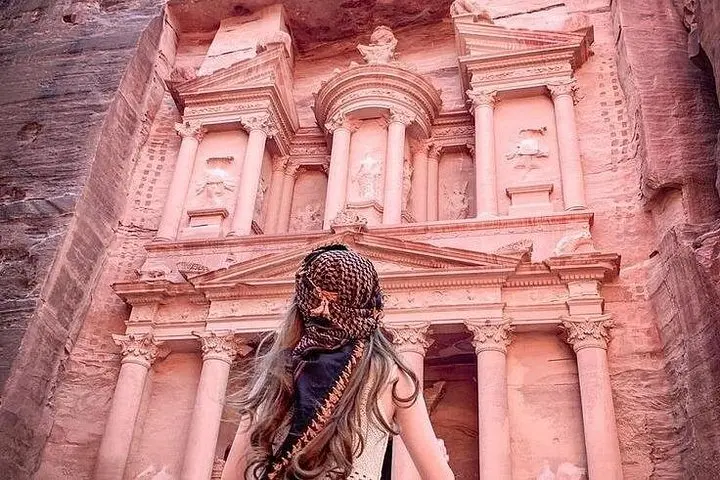
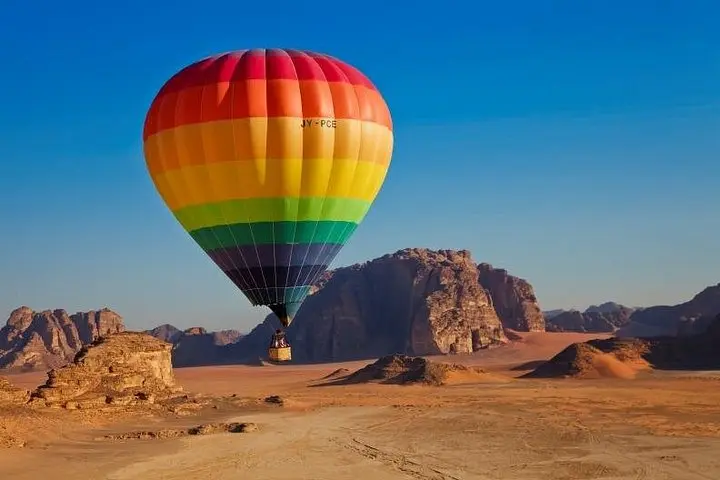
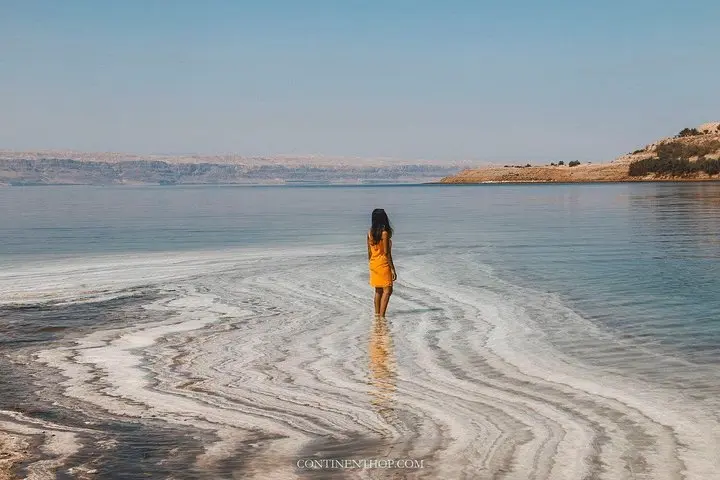
This private six-day loop stitches together two neighboring worlds: modern Jordan and the layered history of Jerusalem. Madaba’s Byzantine mosaics record a late-antique culture that once educated pilgrims; Mount Nebo sits roughly 700 meters above the Jordan Valley and has watched the Dead Sea’s basin slump to about 430 meters below sea level, creating salt flats and a unique buoyant swim. Petra’s red sandstone was carved by Nabataean hands into tomb facades and theaters — reach the Treasury after a 1.2-kilometer passage through the Siq — and Wadi Rum’s volcanic and sedimentary arches, some walls rising hundreds of meters, read like a geological diary of tectonic pressure and wind erosion.
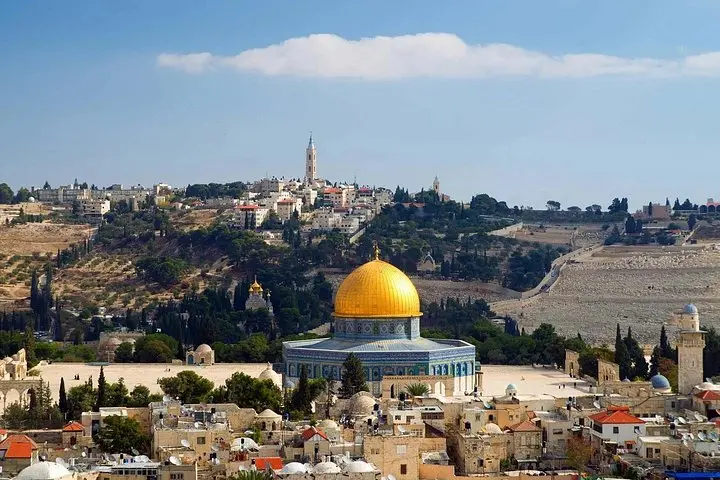
Culturally, the trip moves from Bedouin hospitality in desert camps to centuries-old pilgrimage routes in Jerusalem’s Old City: the Via Dolorosa, the Dome of the Rock’s gold leafed plaza, and the layered neighborhoods within the Ottoman walls. Expect conversations about conservation and heritage; Jordanian sites operate with an active program to manage visitor impact at fragile mosaics and archaeological strata, and Wadi Rum communities now balance tourism with traditional grazing and desert ecology.
Practicalities anchor the romance. Travel times are significant but manageable: Queen Alia to Amman is about 30 minutes, Amman to the Dead Sea an hour, and Wadi Rum back to the airport roughly 3.5 hours. Border crossings to Jerusalem via King Hussein/Allenby Bridge require passports, extra paperwork, and flexible timing — allow extra time for immigration formalities.
Pack for variety: sturdy walking shoes for Petra and Jerusalem’s uneven stones, SPF and a hat for exposed desert and Dead Sea beaches, a quick-dry towel for floating and mud treatments, and layered clothing for cool desert nights. Hydrate; the Dead Sea’s salt will parch rather than cleanse you.
This is a trip for travelers who want history and geology with the comfort of private transport and local guidance. Move deliberately through each site, leave time for a sunset in Wadi Rum, and plan logistics in advance — from the Jordan Pass for Petra to visa requirements at the border. The route is flexible, and the reward is an intense, close-range view of landscapes that refuse to be anonymous.
Visa rules vary by nationality; many visitors use the Jordan Pass for Petra and should check Israel/Palestine entry requirements and border crossing protocols in advance.
Floating in the Dead Sea is safe if you avoid ingesting water, keep cuts covered, and rinse thoroughly with fresh water afterward; avoid shaving before floating.
Expect several kilometers on foot including a 1.2 km walk through the Siq; visiting central Petra comfortably requires moderate stamina and several hours.
Options range from basic Bedouin tents to luxury martian-style camps with proper bedding, private bathrooms, and menus; choose based on comfort preferences.
The operator lists wheelchair accessibility and can handle dietary requests — include requirements when booking to confirm arrangements.
Spring and fall offer the most comfortable temperatures; summer can be very hot in the desert and Dead Sea areas, while winter nights are cool and occasionally rainy.
Tour Experts operates guided outdoor trips and adventures with an emphasis on safety, stewardship, and memorable experiences.
You emerge from Queen Alia International into warm, dry air and a driver holding your name. The first hour’s drive dips toward Amman — a city of white stone houses climbing low hills — and already the itinerary shapes itself like a map of contrasts: the salted stillness of the Dead Sea, the rose-red slot of Petra’s Siq, and the wide, wind-sculpted planes of Wadi Rum where desert rocks seem to lean toward the sky.
You emerge from Queen Alia International into warm, dry air and a driver holding your name. The first hour’s drive dips toward Amman — a city of white stone houses climbing low hills — and already the itinerary shapes itself like a map of contrasts: the salted stillness of the Dead Sea, the rose-red slot of Petra’s Siq, and the wide, wind-sculpted planes of Wadi Rum where desert rocks seem to lean toward the sky.
This private six-day loop stitches together two neighboring worlds: modern Jordan and the layered history of Jerusalem. Madaba’s Byzantine mosaics record a late-antique culture that once educated pilgrims; Mount Nebo sits roughly 700 meters above the Jordan Valley and has watched the Dead Sea’s basin slump to about 430 meters below sea level, creating salt flats and a unique buoyant swim. Petra’s red sandstone was carved by Nabataean hands into tomb facades and theaters — reach the Treasury after a 1.2-kilometer passage through the Siq — and Wadi Rum’s volcanic and sedimentary arches, some walls rising hundreds of meters, read like a geological diary of tectonic pressure and wind erosion.
Culturally, the trip moves from Bedouin hospitality in desert camps to centuries-old pilgrimage routes in Jerusalem’s Old City: the Via Dolorosa, the Dome of the Rock’s gold leafed plaza, and the layered neighborhoods within the Ottoman walls. Expect conversations about conservation and heritage; Jordanian sites operate with an active program to manage visitor impact at fragile mosaics and archaeological strata, and Wadi Rum communities now balance tourism with traditional grazing and desert ecology.
Practicalities anchor the romance. Travel times are significant but manageable: Queen Alia to Amman is about 30 minutes, Amman to the Dead Sea an hour, and Wadi Rum back to the airport roughly 3.5 hours. Border crossings to Jerusalem via King Hussein/Allenby Bridge require passports, extra paperwork, and flexible timing — allow extra time for immigration formalities.
Pack for variety: sturdy walking shoes for Petra and Jerusalem’s uneven stones, SPF and a hat for exposed desert and Dead Sea beaches, a quick-dry towel for floating and mud treatments, and layered clothing for cool desert nights. Hydrate; the Dead Sea’s salt will parch rather than cleanse you.
This is a trip for travelers who want history and geology with the comfort of private transport and local guidance. Move deliberately through each site, leave time for a sunset in Wadi Rum, and plan logistics in advance — from the Jordan Pass for Petra to visa requirements at the border. The route is flexible, and the reward is an intense, close-range view of landscapes that refuse to be anonymous.