THE ADVENTURE COLLECTIVE® · Independent discovery and booking for outdoor travel

Move from Roman columns to salt-slick seas and red-rock deserts on a private six-day sweep through Jordan. This all-inclusive itinerary pairs archaeological giants—Jerash, Petra—with the surreal buoyancy of the Dead Sea and the vast skies of Wadi Rum.
Move from Roman columns to salt-slick seas and red-rock deserts on a private six-day sweep through Jordan. This all-inclusive itinerary pairs archaeological giants—Jerash, Petra—with the surreal buoyancy of the Dead Sea and the vast skies of Wadi Rum.
You step off the plane at Queen Alia and the air tastes ancient—arid, mineral-rich, threaded with the scent of sage that clings to the hills outside Amman. Over the next six days a private driver becomes your steady companion, ferrying you from Roman columns to salt-slick shorelines and into a red-rock desert that seems to rearrange the sky.
Verified experiences and guided adventures in the surrounding area.
Operated by Tour Experts · Amman, Amman
You step off the plane at Queen Alia and the air tastes ancient—arid, mineral-rich, threaded with the scent of sage that clings to the hills outside Amman. Over the next six days a private driver becomes your steady companion, ferrying you from Roman columns to salt-slick shorelines and into a red-rock desert that seems to rearrange the sky.
Day two unfolds with the stone music of Jerash: columns rise like metronomes in a Greco-Roman city whose oval forum and long colonnaded streets still measure the pace of public life. North of there, Ajloun’s castle perches above pine-scrub slopes—medieval Ayyubid masonry crafted to control trade routes and to watch the valleys below.
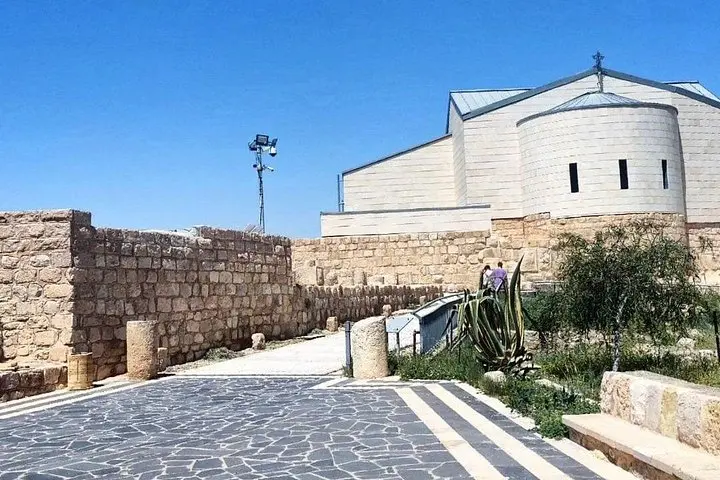
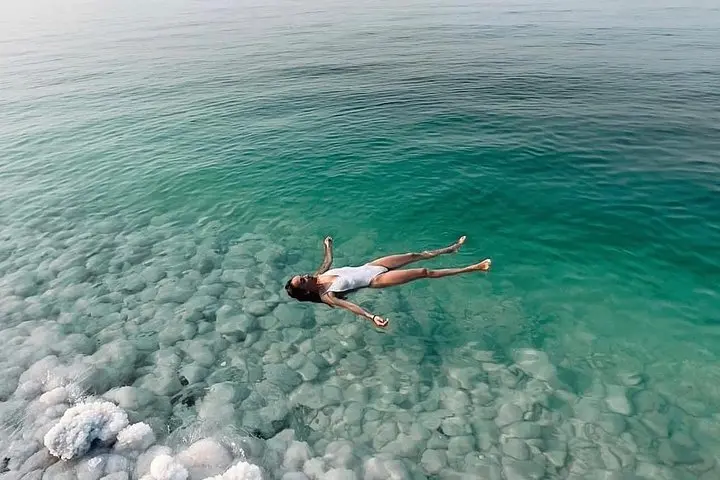
By day three the itinerary dips dramatically. Madaba’s Byzantine mosaics scatter color across church floors, and nearby Mount Nebo gives you the sweep of the Rift Valley—on a clear day you can pick out the glassy spine of the Dead Sea far below. At roughly -430 meters, the Dead Sea is the planet’s low point; the water’s density lets you float as if the lake itself has decided to hold you aloft.
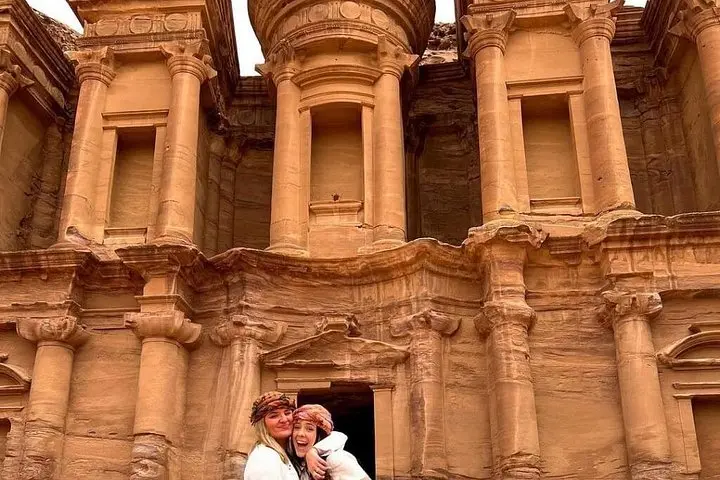
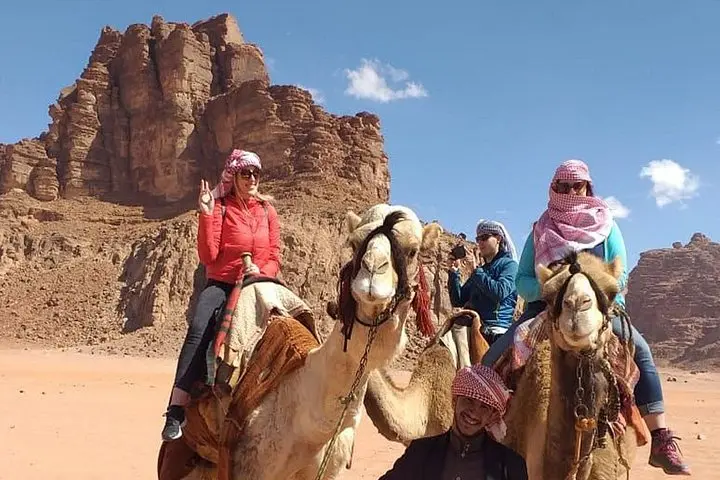
The arc of the trip reaches its peak in Petra and Wadi Rum. Petra’s Siq funnels you into a Nabataean stage set: carved façades, narrow canyons, and stairways that test the legs—expect several kilometers of walking up to the Monastery and a rhythm of steps and stops. Wadi Rum answers with wide horizons and wind-sculpted sandstone towers; Bedouin drivers translate geology into stories—of erosional arches, ancient caravan routes, and the echo of Lawrence of Arabia’s crossing.
Practicalities are straightforward: distances are long but manageable—Amman to Petra is roughly 230–250 km (3.5–4 hours by road), Dead Sea less than an hour from the capital, and Petra to Wadi Rum about 1–1.5 hours. Expect uneven surfaces in archaeological parks, sandy tracks in the desert, and strong sun year-round. Hydration, sun protection, sturdy shoes, and a willingness to walk are the real musts.
Culturally, the trip threads Jordan’s layered history: Roman civic planning, Byzantine Christian art, Nabataean engineering, and Bedouin lifeways. Sustainable travel here matters—stick to marked paths in Petra, minimize plastic waste at desert camps, and respect local customs when visiting mosques and small villages.
For travelers: pace your Petra visit (sunrise and late afternoon are cooler and less crowded), plan a Dead Sea float with modest swimwear, and book a Wadi Rum jeep and overnight in advance to secure a quality tented experience. This private, all-inclusive route is ideal if you want an efficient, culturally rich sweep of Jordan with room for quiet moments—to stand on Mount Nebo and watch the landscape unfurl like a map slowly being understood.
Visa requirements vary by nationality; many visitors can obtain a visa on arrival at Queen Alia Airport, but check current rules and consider the Jordan Pass if you plan to enter Petra and other sites.
Petra involves several kilometers of walking on uneven stone and sand with optional climbs to higher monuments; moderate fitness and good footwear are recommended.
Swimming is not typical—the high salinity makes floating the norm; avoid getting water in eyes or cuts and rinse off with fresh water after your float.
Options range from basic Bedouin tents to luxury 'martian' suites with private bathrooms; most include a jeep tour and communal meals—book your preferred level in advance.
Yes—this private tour is family-friendly and operators provide infant seats and stroller accessibility, though some sites involve walking and uneven surfaces.
Many modern facilities and vehicles are wheelchair accessible, but historic sites like Petra have uneven terrain that may limit access—contact your operator for specific arrangements.
Tour Experts operates guided outdoor trips and adventures with an emphasis on safety, stewardship, and memorable experiences.
You step off the plane at Queen Alia and the air tastes ancient—arid, mineral-rich, threaded with the scent of sage that clings to the hills outside Amman. Over the next six days a private driver becomes your steady companion, ferrying you from Roman columns to salt-slick shorelines and into a red-rock desert that seems to rearrange the sky.
You step off the plane at Queen Alia and the air tastes ancient—arid, mineral-rich, threaded with the scent of sage that clings to the hills outside Amman. Over the next six days a private driver becomes your steady companion, ferrying you from Roman columns to salt-slick shorelines and into a red-rock desert that seems to rearrange the sky.
Day two unfolds with the stone music of Jerash: columns rise like metronomes in a Greco-Roman city whose oval forum and long colonnaded streets still measure the pace of public life. North of there, Ajloun’s castle perches above pine-scrub slopes—medieval Ayyubid masonry crafted to control trade routes and to watch the valleys below.
By day three the itinerary dips dramatically. Madaba’s Byzantine mosaics scatter color across church floors, and nearby Mount Nebo gives you the sweep of the Rift Valley—on a clear day you can pick out the glassy spine of the Dead Sea far below. At roughly -430 meters, the Dead Sea is the planet’s low point; the water’s density lets you float as if the lake itself has decided to hold you aloft.
The arc of the trip reaches its peak in Petra and Wadi Rum. Petra’s Siq funnels you into a Nabataean stage set: carved façades, narrow canyons, and stairways that test the legs—expect several kilometers of walking up to the Monastery and a rhythm of steps and stops. Wadi Rum answers with wide horizons and wind-sculpted sandstone towers; Bedouin drivers translate geology into stories—of erosional arches, ancient caravan routes, and the echo of Lawrence of Arabia’s crossing.
Practicalities are straightforward: distances are long but manageable—Amman to Petra is roughly 230–250 km (3.5–4 hours by road), Dead Sea less than an hour from the capital, and Petra to Wadi Rum about 1–1.5 hours. Expect uneven surfaces in archaeological parks, sandy tracks in the desert, and strong sun year-round. Hydration, sun protection, sturdy shoes, and a willingness to walk are the real musts.
Culturally, the trip threads Jordan’s layered history: Roman civic planning, Byzantine Christian art, Nabataean engineering, and Bedouin lifeways. Sustainable travel here matters—stick to marked paths in Petra, minimize plastic waste at desert camps, and respect local customs when visiting mosques and small villages.
For travelers: pace your Petra visit (sunrise and late afternoon are cooler and less crowded), plan a Dead Sea float with modest swimwear, and book a Wadi Rum jeep and overnight in advance to secure a quality tented experience. This private, all-inclusive route is ideal if you want an efficient, culturally rich sweep of Jordan with room for quiet moments—to stand on Mount Nebo and watch the landscape unfurl like a map slowly being understood.