THE ADVENTURE COLLECTIVE® · Independent discovery and booking for outdoor travel

A six-day trek from Pokhara to Kapuche Glacier Lake and Kori Danda moves from forested trails to high grasslands, combining glacial lakes, panoramic Himalayan views, and Gurung village culture. Expect steep climbs, tea-house nights, and one tented high camp.
A six-day trek from Pokhara to Kapuche Glacier Lake and Kori Danda moves from forested trails to high grasslands, combining glacial lakes, panoramic Himalayan views, and Gurung village culture. Expect steep climbs, tea-house nights, and one tented high camp.
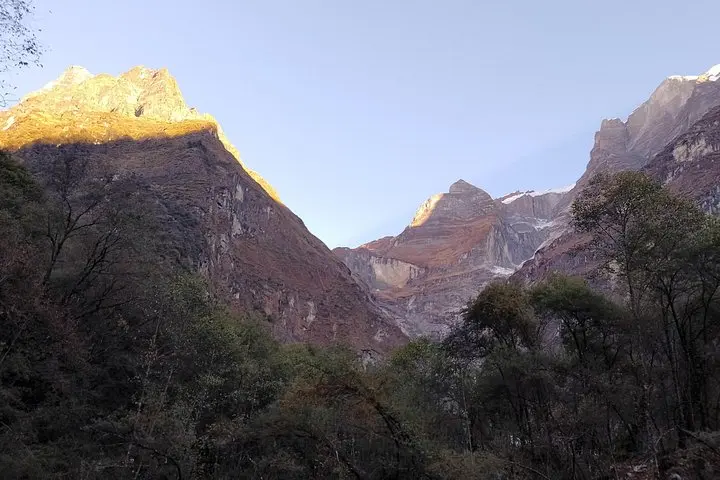
A cold morning in the Annapurna foothills wakes you before the jeep does — mist clings to terraced fields as the road to Sikles threads upward from Pokhara. By the time your boots hit the trail the valley’s voice has changed: streams dare you forward, rhododendron slopes pull your gaze upward, and the skyline sharpens into the jagged teeth of Annapurna II and Dhaulagiri.
Verified experiences and guided adventures in the surrounding area.
Operated by CAN Travels · Pokhara, Gandaki Province
A cold morning in the Annapurna foothills wakes you before the jeep does — mist clings to terraced fields as the road to Sikles threads upward from Pokhara. By the time your boots hit the trail the valley’s voice has changed: streams dare you forward, rhododendron slopes pull your gaze upward, and the skyline sharpens into the jagged teeth of Annapurna II and Dhaulagiri.
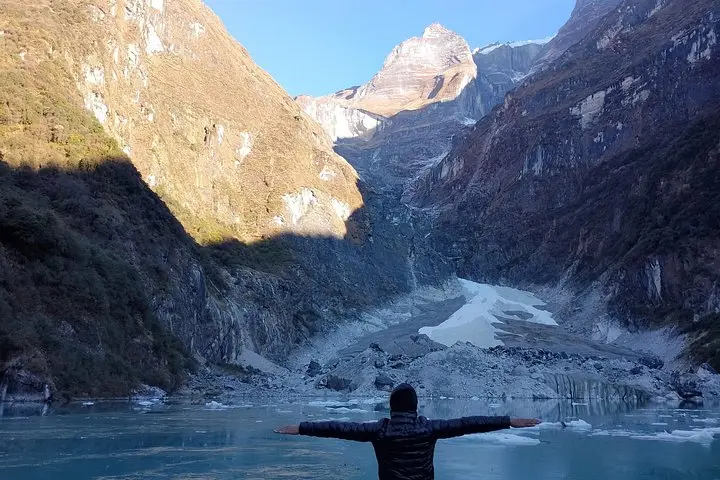
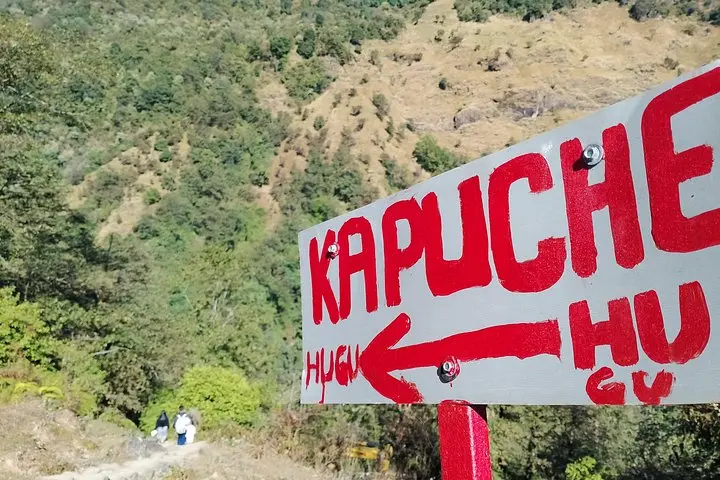
This six-day route threads cultural villages and quiet alpine plateaus. Kapuche is a low-altitude glacial lake (around 2,450 m) fed by seasonal melt and moraine channels; higher still, Kori Danda (≈3,800 m) sits on grassland ridgelines with sweeping views toward the Annapurna and Dhaulagiri ranges. The trail ascends through mixed forest—rhododendron, fir, pine—opens to grassy meadows and finishes above the treeline where wind shapes the grass.
Local Gurung communities in Sikles preserve traditional stone houses, folk songs, and terrace farming that has shaped the hills for centuries. The trek uses established footpaths, tea houses in lower villages, and a tented night on Kori Danda.
Practical guide: plan for cumulative ascent of roughly 1,700–2,000 m over the trek with daily walks of 4–6 hours (some days up to 6–7). Footwear with good ankle support, layered insulation for alpine nights, and a sleeping bag rated to at least -5°C are essential. Altitude can be felt above 3,000 m—move deliberately, hydrate, and use your included trekking pole to reduce knee strain on steep sections. Weather in the Annapurna foothills changes fast; start early, aim for clear mornings for the best summit views, and respect local guides for route and safety decisions.
The route reaches about 3,800 m; it's non-technical but physically demanding—expect steep, sustained climbs and slower pace above 3,000 m; allow time to acclimatize.
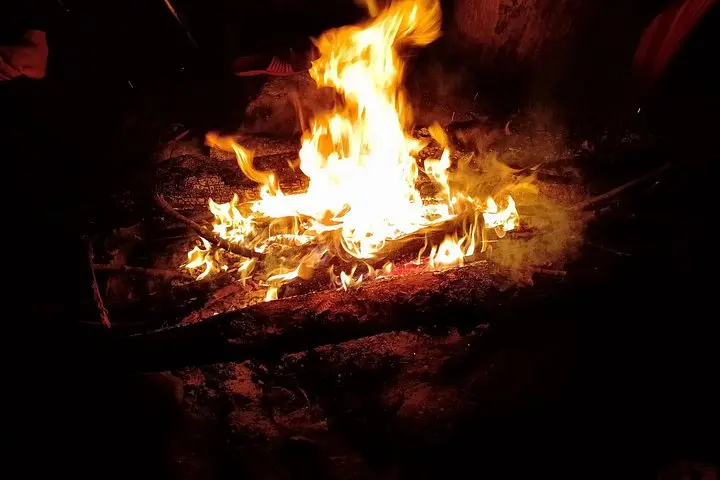
Lower sections and Sikles offer tea-house accommodation; nights near Kori Danda are typically tented camping as there are no fixed lodges at the ridge.
Yes—trekking permits and official documents are handled as part of the tour; always carry ID and your permits on the trail.
Spring (March–May) and autumn (September–November) provide the most stable weather and rhododendron blooms or clear post-monsoon skies for mountain views.
CAN Travels operates guided outdoor trips and adventures with an emphasis on safety, stewardship, and memorable experiences.
A cold morning in the Annapurna foothills wakes you before the jeep does — mist clings to terraced fields as the road to Sikles threads upward from Pokhara. By the time your boots hit the trail the valley’s voice has changed: streams dare you forward, rhododendron slopes pull your gaze upward, and the skyline sharpens into the jagged teeth of Annapurna II and Dhaulagiri.
A cold morning in the Annapurna foothills wakes you before the jeep does — mist clings to terraced fields as the road to Sikles threads upward from Pokhara. By the time your boots hit the trail the valley’s voice has changed: streams dare you forward, rhododendron slopes pull your gaze upward, and the skyline sharpens into the jagged teeth of Annapurna II and Dhaulagiri.
This six-day route threads cultural villages and quiet alpine plateaus. Kapuche is a low-altitude glacial lake (around 2,450 m) fed by seasonal melt and moraine channels; higher still, Kori Danda (≈3,800 m) sits on grassland ridgelines with sweeping views toward the Annapurna and Dhaulagiri ranges. The trail ascends through mixed forest—rhododendron, fir, pine—opens to grassy meadows and finishes above the treeline where wind shapes the grass.
Local Gurung communities in Sikles preserve traditional stone houses, folk songs, and terrace farming that has shaped the hills for centuries. The trek uses established footpaths, tea houses in lower villages, and a tented night on Kori Danda.
Practical guide: plan for cumulative ascent of roughly 1,700–2,000 m over the trek with daily walks of 4–6 hours (some days up to 6–7). Footwear with good ankle support, layered insulation for alpine nights, and a sleeping bag rated to at least -5°C are essential. Altitude can be felt above 3,000 m—move deliberately, hydrate, and use your included trekking pole to reduce knee strain on steep sections. Weather in the Annapurna foothills changes fast; start early, aim for clear mornings for the best summit views, and respect local guides for route and safety decisions.