THE ADVENTURE COLLECTIVE® · Independent discovery and booking for outdoor travel

A six-day safari that stitches Nairobi’s cultural stops and Rift Valley geology to full days of game driving in the Masai Mara. Expect close giraffe encounters, boat safaris, canyon walks and prime Big Five viewing—with practical tips for timing, gear and etiquette.
A six-day safari that stitches Nairobi’s cultural stops and Rift Valley geology to full days of game driving in the Masai Mara. Expect close giraffe encounters, boat safaris, canyon walks and prime Big Five viewing—with practical tips for timing, gear and etiquette.
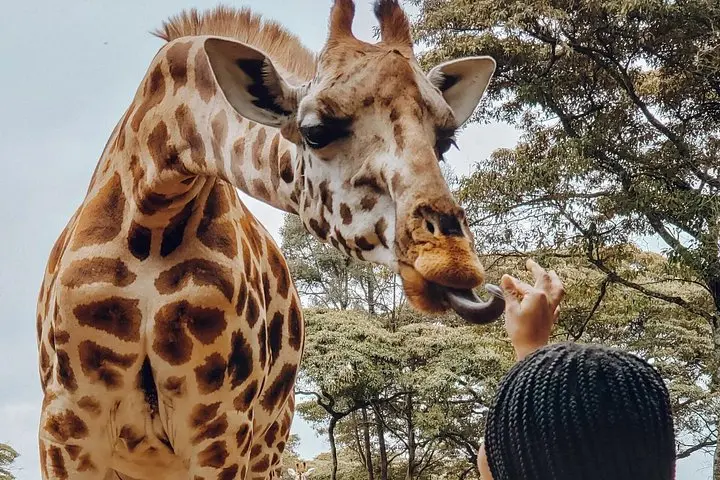
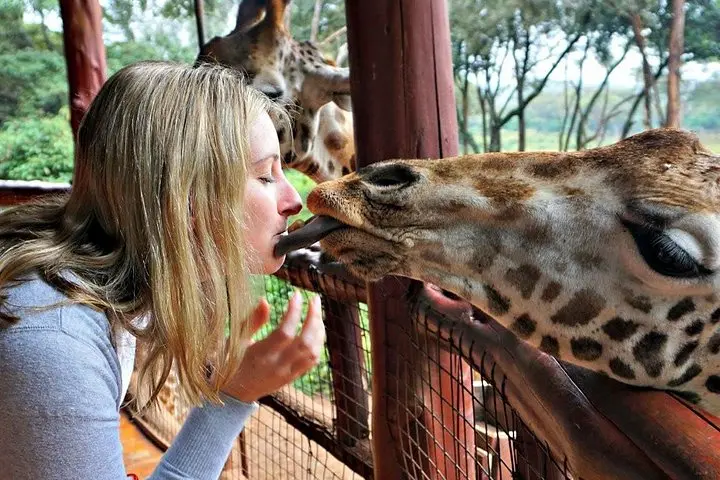
The first morning light in Nairobi slices across a city that still hums with traffic and market calls, but within an hour the skyline gives way to acacia-dotted savannahs. The tour opens with an intimate moment at the Giraffe Centre—an observation platform brings you eye-to-eye with towering tongues and curious faces—then sweeps west over the Rift Valley escarpment to Lake Naivasha, where hippos wallow and the lake’s surface dares the wind to shape it into mirrors.
Verified experiences and guided adventures in the surrounding area.
Operated by Sabilom Kenya Tours & Safaris · Nairobi, Nairobi County
The first morning light in Nairobi slices across a city that still hums with traffic and market calls, but within an hour the skyline gives way to acacia-dotted savannahs. The tour opens with an intimate moment at the Giraffe Centre—an observation platform brings you eye-to-eye with towering tongues and curious faces—then sweeps west over the Rift Valley escarpment to Lake Naivasha, where hippos wallow and the lake’s surface dares the wind to shape it into mirrors.
This six-day circuit threads through Kenya’s human and geological history. The Rift Valley is a continental scar, its escarpments carved by moving plates and river erosion; Hell’s Gate’s gorges and towering cliffs are the most immediate proof of that slow violence. Karen Blixen’s farmhouse, now a museum, links colonial-era stories to the region’s modern conservation efforts. Nearby, bead workshops such as the Kobe cooperative reflect Nairobi’s vibrant artisan economy and social enterprises that support single mothers.
The itinerary balances short drives and full game days. Expect roughly 1.5–2 hours from Nairobi to Naivasha (approx. 90 km), then a longer transfer to the Masai Mara—plan on 4–6 hours depending on road conditions (rough gravel and occasional river fords). Elevations range from Nairobi’s ~1,795 m to Lake Naivasha (~1,884 m) and the Mara’s rolling plains near 1,500–1,800 m. Terrain switches from paved city roads to rutted savannah tracks, rocky canyon paths at Hell’s Gate, and boat-accessible shorelines on Naivasha.
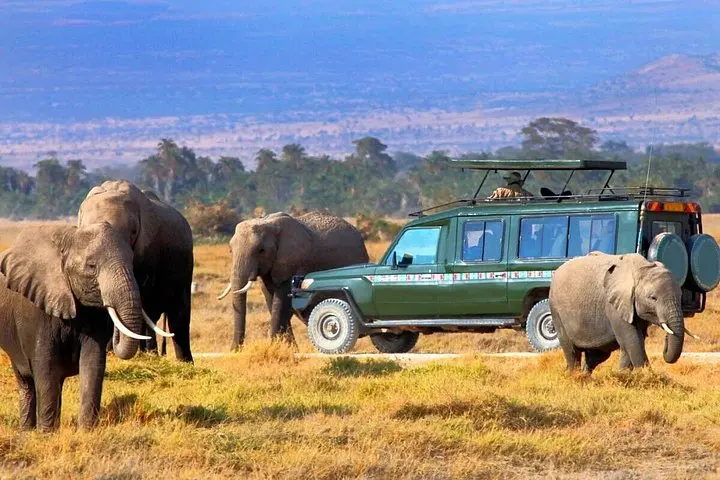
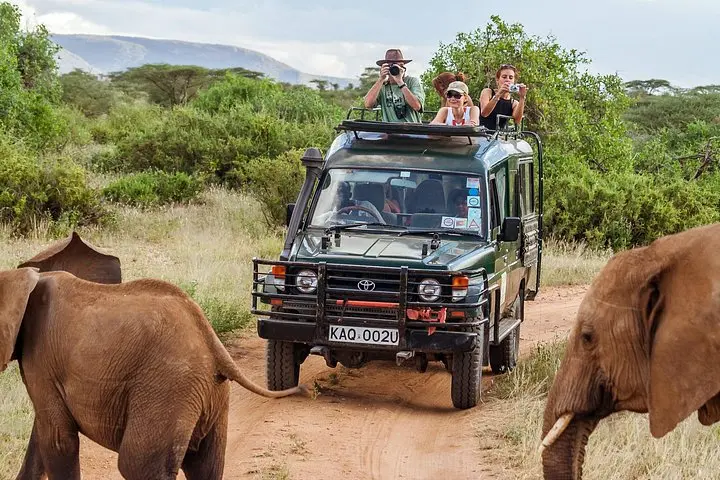
Wildlife viewing is the tour’s focus: game drives in an open-roof Land Cruiser make the Mara’s big cats, elephant herds, buffalo and vast plains accessible; a boat trip across Naivasha is best for spotting hippos and waterbirds. Nightly camps reinforce the rhythm of safari life—early breakfasts, long mornings in the field, and late returns when predators become active.
Practical advice: pack binoculars and a daylight lens (200–400mm ideally), layers for morning chill and hot afternoons, and closed-toe shoes for rocky walks at Hell’s Gate. Carry a reusable water bottle—the operator supplies bottled water, but refilling reduces plastic waste. Respect wildlife: stay inside vehicles during game drives, keep distance from hippos on the lake, and follow guides’ instructions. If you plan a Maasai village visit, bring small, practical gifts and ask before photographing.
This loop is accessible to most travelers of moderate fitness; trails at Hell’s Gate are short but can be steep and exposed. The real reward is the sequence of encounters—from gentle giants at the Giraffe Centre to the Mara’s vast hunting ground—each element grounded in landscape and community, shaped by geology, and guided by people who read the land as keenly as any tracker.
Nairobi to Lake Naivasha is about 1.5–2 hours (~90 km). Naivasha to Masai Mara ranges 4–6 hours depending on road conditions; drives in the Mara are shorter but on rough tracks.
Consult your doctor; routine travel vaccines are recommended and malaria prophylaxis is advised for the Rift Valley and Mara—use insect repellent and sleep under treated nets where provided.
Yes—many families participate. Children must follow guides’ safety rules; infants are required to sit on an adult’s lap per operator policy.
Yes—an optional cultural visit is available (approx. USD 20). Ask your guide to arrange a respectful, small-group visit with a community host.
Kenyan shilling is standard; many operators accept card payments but cash is useful. Tipping guides and camp staff is customary—approx. $10–20/day for guides split among camp staff.
The operator lists the tour as suitable for all fitness levels; expect early starts, some walking at Hell's Gate (short, exposed terrain), and long game drive hours.
Sabilom Kenya Tours & Safaris operates guided outdoor trips and adventures with an emphasis on safety, stewardship, and memorable experiences.
The first morning light in Nairobi slices across a city that still hums with traffic and market calls, but within an hour the skyline gives way to acacia-dotted savannahs. The tour opens with an intimate moment at the Giraffe Centre—an observation platform brings you eye-to-eye with towering tongues and curious faces—then sweeps west over the Rift Valley escarpment to Lake Naivasha, where hippos wallow and the lake’s surface dares the wind to shape it into mirrors.
The first morning light in Nairobi slices across a city that still hums with traffic and market calls, but within an hour the skyline gives way to acacia-dotted savannahs. The tour opens with an intimate moment at the Giraffe Centre—an observation platform brings you eye-to-eye with towering tongues and curious faces—then sweeps west over the Rift Valley escarpment to Lake Naivasha, where hippos wallow and the lake’s surface dares the wind to shape it into mirrors.
This six-day circuit threads through Kenya’s human and geological history. The Rift Valley is a continental scar, its escarpments carved by moving plates and river erosion; Hell’s Gate’s gorges and towering cliffs are the most immediate proof of that slow violence. Karen Blixen’s farmhouse, now a museum, links colonial-era stories to the region’s modern conservation efforts. Nearby, bead workshops such as the Kobe cooperative reflect Nairobi’s vibrant artisan economy and social enterprises that support single mothers.
The itinerary balances short drives and full game days. Expect roughly 1.5–2 hours from Nairobi to Naivasha (approx. 90 km), then a longer transfer to the Masai Mara—plan on 4–6 hours depending on road conditions (rough gravel and occasional river fords). Elevations range from Nairobi’s ~1,795 m to Lake Naivasha (~1,884 m) and the Mara’s rolling plains near 1,500–1,800 m. Terrain switches from paved city roads to rutted savannah tracks, rocky canyon paths at Hell’s Gate, and boat-accessible shorelines on Naivasha.
Wildlife viewing is the tour’s focus: game drives in an open-roof Land Cruiser make the Mara’s big cats, elephant herds, buffalo and vast plains accessible; a boat trip across Naivasha is best for spotting hippos and waterbirds. Nightly camps reinforce the rhythm of safari life—early breakfasts, long mornings in the field, and late returns when predators become active.
Practical advice: pack binoculars and a daylight lens (200–400mm ideally), layers for morning chill and hot afternoons, and closed-toe shoes for rocky walks at Hell’s Gate. Carry a reusable water bottle—the operator supplies bottled water, but refilling reduces plastic waste. Respect wildlife: stay inside vehicles during game drives, keep distance from hippos on the lake, and follow guides’ instructions. If you plan a Maasai village visit, bring small, practical gifts and ask before photographing.
This loop is accessible to most travelers of moderate fitness; trails at Hell’s Gate are short but can be steep and exposed. The real reward is the sequence of encounters—from gentle giants at the Giraffe Centre to the Mara’s vast hunting ground—each element grounded in landscape and community, shaped by geology, and guided by people who read the land as keenly as any tracker.