THE ADVENTURE COLLECTIVE® · Independent discovery and booking for outdoor travel

A six-day, non-technical ascent on the Lemosho variation brings careful acclimatization, quiet trails, and the full arc of Kilimanjaro’s ecosystems before a pre-dawn push to Uhuru Peak. Learn what to expect on each key day and how to prepare for summit night.
A six-day, non-technical ascent on the Lemosho variation brings careful acclimatization, quiet trails, and the full arc of Kilimanjaro’s ecosystems before a pre-dawn push to Uhuru Peak. Learn what to expect on each key day and how to prepare for summit night.
You stand before a shoulder of earth that rises out of equatorial grassland like an old ship turned on its side. Dawn in Moshi smells of coffee and diesel; by the time vehicles wind into the Kilimanjaro National Park gate you are slipping into rainforest that soon thins to the wide wind-swept Shira Plateau. On the Lemosho variation of the Shira/Western approach, the mountain reveals itself gradually — first a distant cone above cloud, then a rim of rock, then the glitter of ice when you reach Barafu and the very real possibility of standing on Uhuru Peak.
Verified experiences and guided adventures in the surrounding area.
Operated by Twende Africa Tours · Moshi, Kilimanjaro Region
You stand before a shoulder of earth that rises out of equatorial grassland like an old ship turned on its side. Dawn in Moshi smells of coffee and diesel; by the time vehicles wind into the Kilimanjaro National Park gate you are slipping into rainforest that soon thins to the wide wind-swept Shira Plateau. On the Lemosho variation of the Shira/Western approach, the mountain reveals itself gradually — first a distant cone above cloud, then a rim of rock, then the glitter of ice when you reach Barafu and the very real possibility of standing on Uhuru Peak.
The route threads through distinct ecological bands and cultural layers. From montane forest at 1,800–3,800m you climb to moorland and semi-desert, then alpine scree and the crater rim at 5,895m. Geologically Kilimanjaro is a dormant stratovolcano with three volcanic cones; Kibo is the summit cone you aim for. Historically the western routes were pioneered by early 20th-century expeditions; the Lemosho/Shira corridor remains quieter than Marangu or Machame, giving more time to acclimatize and better sunrise positions on summit morning.
Daily hiking is pragmatic: Day 1 climbs roughly 1,950m to Shira Camp over 8km (4–5 hours) through muddy, root-strewn paths. Day 2 moves across the plateau to Lava Tower (4,650m) and drops to Barranco Camp for critical acclimatization. Day 3 tackles the Barranco Wall, a short technical scramble that rewards climbers with views of Karanga Valley. Day 4 gains Barafu Camp and rests for the midnight push. Summit day is a long, predawn slog to Stella Point and then Uhuru Peak — the hardest hours are the slow, high-altitude steps through scree and possible snow.
Practical edge: this is non-technical climbing — ropes and crampons are not required in normal conditions — but altitude is the decisive factor. Pace conservatively, follow the guide’s acclimatization plan, and treat hydration and sleep as mission-critical. Gaiters and trekking poles save you on wet forest trails and loose gravel, and layered clothing that handles sun by day and -20°C winds on summit night is essential.
Expect solid support: guides, porters, meals, and park fees are typically included. Respect local systems — tipping porters and guides is customary and helps sustain mountain communities. Also, leave no trace: the route carries a high human footprint; carry out waste, use designated latrines, and stay on trail.
For travelers who train, accept slow summit-night rhythms, and come prepared to battle altitude rather than technical terrain, the Lemosho 6-day climb is an efficient, scenic route to the roof of Africa — a sequence of habitats and human stories that ends with sunrise over an astonishing, thin blue world below.
Yes — the route involves steep hiking, loose scree, and a short scramble on the Barranco Wall but no ropes or glacier travel in normal conditions.
Success varies with fitness and acclimatization; six days is ambitious but achievable with good pacing and acclimatization stops like Lava Tower and Barranco.
June–October and late December–February are the driest and most popular windows for more stable summit weather.
Yes — tipping guides and porters is customary; carry some Tanzanian shillings for final tips and small purchases in Moshi.
Altitude is the main risk; symptoms can appear above 3,500m. Follow guide instructions, hydrate, and report symptoms early. Evacuation protocols exist for serious cases.
Most operators include park fees, guides, porters, and tented accommodation in the price; confirm inclusions before booking.
Twende Africa Tours operates guided outdoor trips and adventures with an emphasis on safety, stewardship, and memorable experiences.
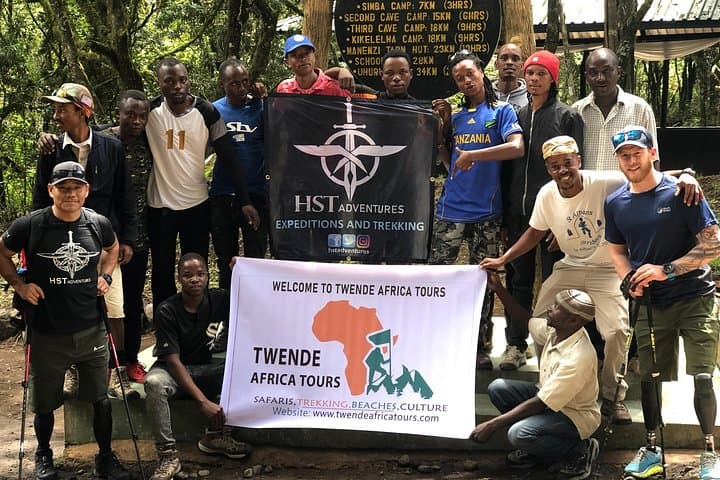


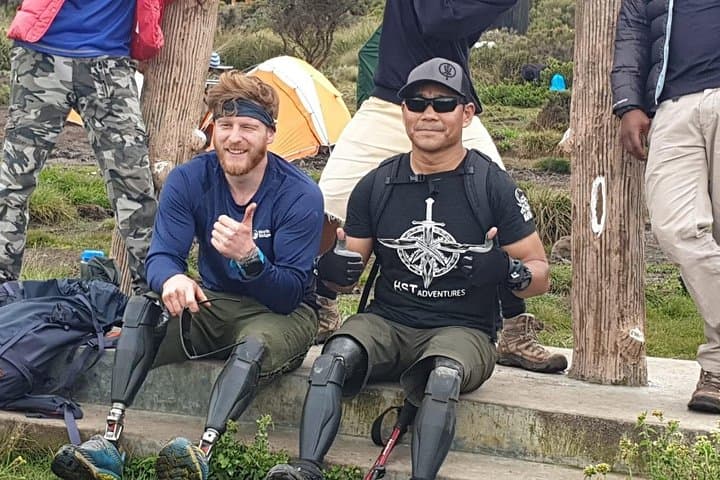
You stand before a shoulder of earth that rises out of equatorial grassland like an old ship turned on its side. Dawn in Moshi smells of coffee and diesel; by the time vehicles wind into the Kilimanjaro National Park gate you are slipping into rainforest that soon thins to the wide wind-swept Shira Plateau. On the Lemosho variation of the Shira/Western approach, the mountain reveals itself gradually — first a distant cone above cloud, then a rim of rock, then the glitter of ice when you reach Barafu and the very real possibility of standing on Uhuru Peak.
You stand before a shoulder of earth that rises out of equatorial grassland like an old ship turned on its side. Dawn in Moshi smells of coffee and diesel; by the time vehicles wind into the Kilimanjaro National Park gate you are slipping into rainforest that soon thins to the wide wind-swept Shira Plateau. On the Lemosho variation of the Shira/Western approach, the mountain reveals itself gradually — first a distant cone above cloud, then a rim of rock, then the glitter of ice when you reach Barafu and the very real possibility of standing on Uhuru Peak.
The route threads through distinct ecological bands and cultural layers. From montane forest at 1,800–3,800m you climb to moorland and semi-desert, then alpine scree and the crater rim at 5,895m. Geologically Kilimanjaro is a dormant stratovolcano with three volcanic cones; Kibo is the summit cone you aim for. Historically the western routes were pioneered by early 20th-century expeditions; the Lemosho/Shira corridor remains quieter than Marangu or Machame, giving more time to acclimatize and better sunrise positions on summit morning.
Daily hiking is pragmatic: Day 1 climbs roughly 1,950m to Shira Camp over 8km (4–5 hours) through muddy, root-strewn paths. Day 2 moves across the plateau to Lava Tower (4,650m) and drops to Barranco Camp for critical acclimatization. Day 3 tackles the Barranco Wall, a short technical scramble that rewards climbers with views of Karanga Valley. Day 4 gains Barafu Camp and rests for the midnight push. Summit day is a long, predawn slog to Stella Point and then Uhuru Peak — the hardest hours are the slow, high-altitude steps through scree and possible snow.
Practical edge: this is non-technical climbing — ropes and crampons are not required in normal conditions — but altitude is the decisive factor. Pace conservatively, follow the guide’s acclimatization plan, and treat hydration and sleep as mission-critical. Gaiters and trekking poles save you on wet forest trails and loose gravel, and layered clothing that handles sun by day and -20°C winds on summit night is essential.
Expect solid support: guides, porters, meals, and park fees are typically included. Respect local systems — tipping porters and guides is customary and helps sustain mountain communities. Also, leave no trace: the route carries a high human footprint; carry out waste, use designated latrines, and stay on trail.
For travelers who train, accept slow summit-night rhythms, and come prepared to battle altitude rather than technical terrain, the Lemosho 6-day climb is an efficient, scenic route to the roof of Africa — a sequence of habitats and human stories that ends with sunrise over an astonishing, thin blue world below.