THE ADVENTURE COLLECTIVE® · Independent discovery and booking for outdoor travel

A classic hut-to-hut ascent of Kilimanjaro via the Marangu Route. This six-day private guided climb balances acclimatization, full-board hut accommodation, and a midnight summit push to Uhuru Peak.
A classic hut-to-hut ascent of Kilimanjaro via the Marangu Route. This six-day private guided climb balances acclimatization, full-board hut accommodation, and a midnight summit push to Uhuru Peak.
Night wind scrapes the rim of Kibo as your headlamp picks out the narrow track ahead. You move one careful step at a time through an alpine desert where the air has learned to be thin; behind you, the lights of Horombo Hut retreat into the dark, and ahead the crater ridge holds its quiet promise. This is the summit night on the Marangu Route — the route that opened Kilimanjaro to modern climbers in the late 19th century — and for many it is the most concentrated, visceral part of the mountain.
Verified experiences and guided adventures in the surrounding area.
Operated by Moshi Tours and Transfer · Moshi, Kilimanjaro Region
Night wind scrapes the rim of Kibo as your headlamp picks out the narrow track ahead. You move one careful step at a time through an alpine desert where the air has learned to be thin; behind you, the lights of Horombo Hut retreat into the dark, and ahead the crater ridge holds its quiet promise. This is the summit night on the Marangu Route — the route that opened Kilimanjaro to modern climbers in the late 19th century — and for many it is the most concentrated, visceral part of the mountain.
Marangu is the oldest established route on Kilimanjaro, often called the "Coca-Cola" route for its popularity and hut accommodations. The route climbs 800 m at the gate to nearly 5,895 m at Uhuru Peak, crossing distinct ecological bands: montane rainforest, heather and moorland, alpine desert, and finally the arctic rim of Kibo. Geologically, Kilimanjaro is a dormant stratovolcano whose layered flanks expose volcanic plugs and ancient lava flows; Mawenzi’s jagged spires keep watch to the east while Kibo’s summit crater keeps the summit’s snowfields.
Culture threads through the climb: porters and cooks — local to the Kilimanjaro region — carry equipment, feed the group with stews and porridge, and set up hut life that feels both earnest and efficient. The itinerary favors acclimatization: Mandara Hut (2,720 m), Horombo Hut (3,720 m), Kibo Hut (4,720 m), and the final push to Uhuru Peak (5,895 m). Expect hut dormitories (two per sleeping space), communal meals, briefings each evening, and a summit push that often begins at midnight and can take six to seven hours up and several hours descending.
Practical guidance: physical conditioning matters — steady uphill walking, stair climbing and long day hikes with a pack pay dividends. Footwear should be sturdy, broken-in hiking boots with good ankle support for rocky, sometimes icy ground. Hydration is constant: plan on 2–3 liters during summit night and regular fluid intake each day to reduce altitude symptoms. Dress in layers for big temperature swings: dense forest can be warm and wet; the summit is cold and windy.
Logistics are straightforward with this private guided tour: hotel pickup in Moshi or KIA, full board meals, hut accommodation during the trek, and oxygen tanks/altimeters carried by guides. Recommended planning: arrive in Moshi at least one night before your start to rest and attend the gear briefing. Respect the pace set by guides — moving slow and steady is the most reliable way to reach the summit.
The Marangu Route offers a direct, well-supported climb with historical roots and clear logistical comforts; it asks for patience, baseline fitness and respect for altitude. When you stand at Uhuru and watch the sun spill across the plains below, you understand why thousands still choose this path up Africa’s roof.
No technical climbing skills are required, but prior long-day hiking experience and good aerobic fitness significantly improve your chances of summiting.
Dry seasons—January–March and June–October—offer more stable weather and clearer summit visibility.
Temperatures can drop below -10°C (14°F) with strong winds; proper insulation and wind protection are essential.
Hut accommodation on the Marangu Route is dormitory-style with two climbers per sleeping space; single rooms are not available on this route.
Yes—vegetarian, gluten-free, halal and kosher meal plans are available with advance notice.
Guides prioritize safety; if you turn back for altitude or fatigue, you’ll be supported and assisted on descent and still receive hut accommodation and meals.
Moshi Tours and Transfer operates guided outdoor trips and adventures with an emphasis on safety, stewardship, and memorable experiences.
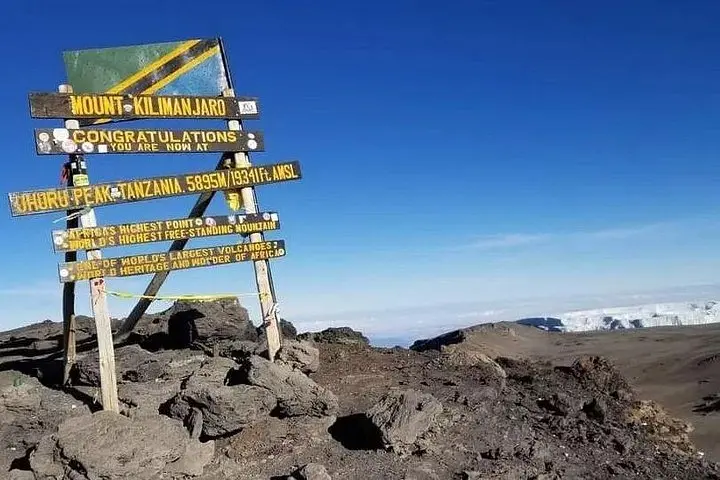
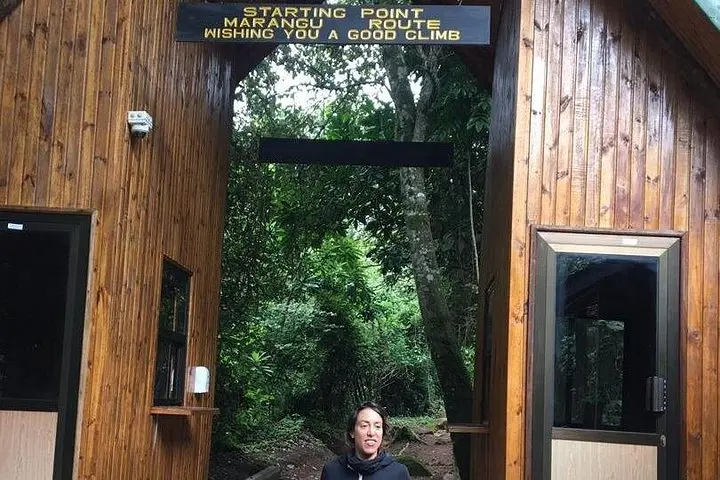
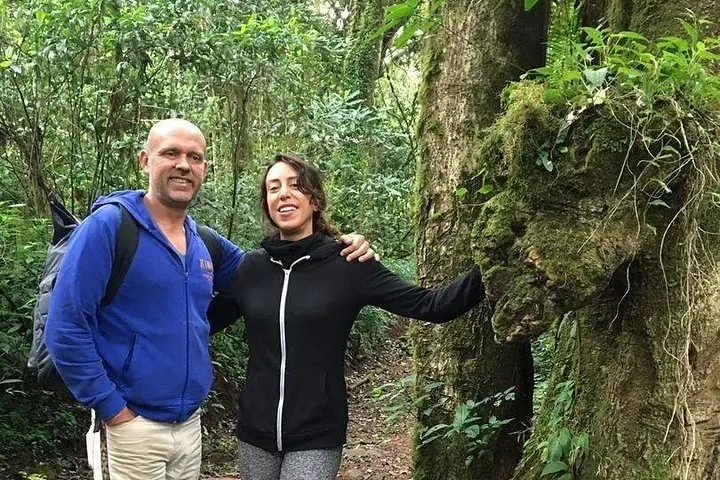
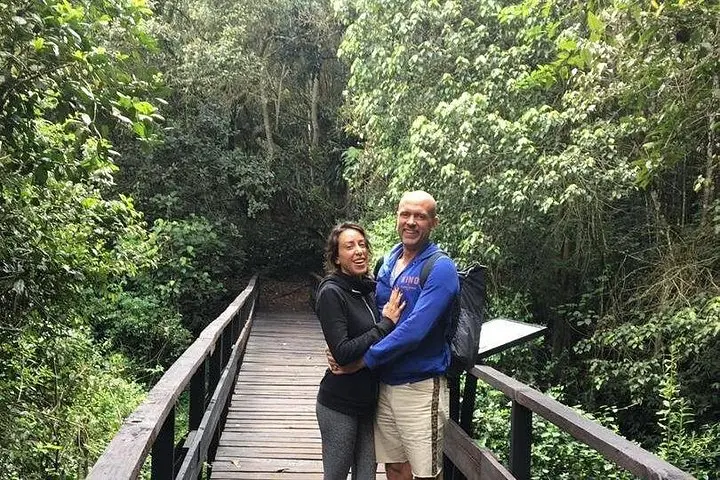
Night wind scrapes the rim of Kibo as your headlamp picks out the narrow track ahead. You move one careful step at a time through an alpine desert where the air has learned to be thin; behind you, the lights of Horombo Hut retreat into the dark, and ahead the crater ridge holds its quiet promise. This is the summit night on the Marangu Route — the route that opened Kilimanjaro to modern climbers in the late 19th century — and for many it is the most concentrated, visceral part of the mountain.
Night wind scrapes the rim of Kibo as your headlamp picks out the narrow track ahead. You move one careful step at a time through an alpine desert where the air has learned to be thin; behind you, the lights of Horombo Hut retreat into the dark, and ahead the crater ridge holds its quiet promise. This is the summit night on the Marangu Route — the route that opened Kilimanjaro to modern climbers in the late 19th century — and for many it is the most concentrated, visceral part of the mountain.
Marangu is the oldest established route on Kilimanjaro, often called the "Coca-Cola" route for its popularity and hut accommodations. The route climbs 800 m at the gate to nearly 5,895 m at Uhuru Peak, crossing distinct ecological bands: montane rainforest, heather and moorland, alpine desert, and finally the arctic rim of Kibo. Geologically, Kilimanjaro is a dormant stratovolcano whose layered flanks expose volcanic plugs and ancient lava flows; Mawenzi’s jagged spires keep watch to the east while Kibo’s summit crater keeps the summit’s snowfields.
Culture threads through the climb: porters and cooks — local to the Kilimanjaro region — carry equipment, feed the group with stews and porridge, and set up hut life that feels both earnest and efficient. The itinerary favors acclimatization: Mandara Hut (2,720 m), Horombo Hut (3,720 m), Kibo Hut (4,720 m), and the final push to Uhuru Peak (5,895 m). Expect hut dormitories (two per sleeping space), communal meals, briefings each evening, and a summit push that often begins at midnight and can take six to seven hours up and several hours descending.
Practical guidance: physical conditioning matters — steady uphill walking, stair climbing and long day hikes with a pack pay dividends. Footwear should be sturdy, broken-in hiking boots with good ankle support for rocky, sometimes icy ground. Hydration is constant: plan on 2–3 liters during summit night and regular fluid intake each day to reduce altitude symptoms. Dress in layers for big temperature swings: dense forest can be warm and wet; the summit is cold and windy.
Logistics are straightforward with this private guided tour: hotel pickup in Moshi or KIA, full board meals, hut accommodation during the trek, and oxygen tanks/altimeters carried by guides. Recommended planning: arrive in Moshi at least one night before your start to rest and attend the gear briefing. Respect the pace set by guides — moving slow and steady is the most reliable way to reach the summit.
The Marangu Route offers a direct, well-supported climb with historical roots and clear logistical comforts; it asks for patience, baseline fitness and respect for altitude. When you stand at Uhuru and watch the sun spill across the plains below, you understand why thousands still choose this path up Africa’s roof.