THE ADVENTURE COLLECTIVE® · Independent discovery and booking for outdoor travel

Follow the Marangu Route on a six‑day, hut‑to‑hut ascent of Kilimanjaro from rainforest to the glacier‑rimmed crater. This practical guide outlines terrain, timing and what to bring so you can aim for Uhuru Peak with the best odds.
Follow the Marangu Route on a six‑day, hut‑to‑hut ascent of Kilimanjaro from rainforest to the glacier‑rimmed crater. This practical guide outlines terrain, timing and what to bring so you can aim for Uhuru Peak with the best odds.
Dawn on the Marangu gate arrives in the color of coffee plantations and wisps of cloud that cling to Kilimanjaro’s lower flanks. You climb out of a band of rainforest that smells of wet earth and orchid pollen, the trail threading between moss-draped trunks and the calls of colobus monkeys. By midday the canopy opens and the world simplifies: heather moorland, then a stark, high-altitude desert—an environment that seems to push and test you with every change in air and light.
Verified experiences and guided adventures in the surrounding area.
Operated by AFRICA NATURAL TOURS · Moshi, Kilimanjaro Region
Dawn on the Marangu gate arrives in the color of coffee plantations and wisps of cloud that cling to Kilimanjaro’s lower flanks. You climb out of a band of rainforest that smells of wet earth and orchid pollen, the trail threading between moss-draped trunks and the calls of colobus monkeys. By midday the canopy opens and the world simplifies: heather moorland, then a stark, high-altitude desert—an environment that seems to push and test you with every change in air and light.
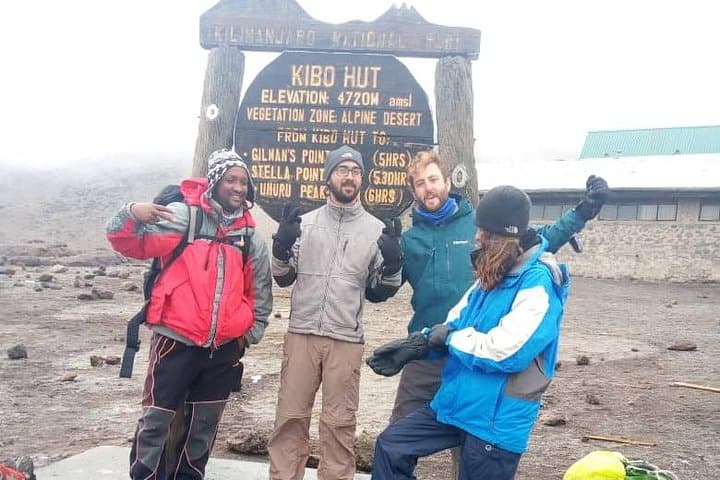
The Marangu Route, nicknamed the "Coca‑Cola" path for its popularity and gradual profile, is the classic six‑day push from Marangu Gate to Uhuru Peak. It moves from montane forest through heath and moor to the Saddle and finally the scree slope beneath Kibo. Huts—Mandara, Horombo and Kibo—are a practical legacy of early 20th‑century colonial access and the mountain's longstanding role in Tanzanian culture and tourism. Geologically, Kilimanjaro is a dormant stratovolcano; the crater rim and ice fields at the top are the last visible chapters of eruptions that shaped East Africa.
Culture around Kilimanjaro centers on the Chagga people, whose coffee terraces and irrigation knowledge fringe the park boundaries. Guides and porters—many from Moshi—bring not just expertise but an oral history of routes, weather patterns and the mountain's moods. Expect to hear "pole pole" (slowly) more than once; it's the climbing rhythm here.
Practicalities matter: the itinerary spaces acclimatization with a rest-and-walk day at Horombo, which measurably improves summit odds. Day lengths vary—expect 4–9 hours of walking on Days 1–4, a long summit push of 12–15 hours for Day 5, and a descent day back to Moshi. Terrain shifts from muddy, rooty trails to rocky tundra and loose scree; footing and pacing are constant concerns. Hydration, layered insulation, and a reliable headlamp for the midnight start are non‑negotiable.
Logistics are straightforward: pickup in Moshi, huts for overnighting, and meals provided on the trail. Fitness requirements favor regular cardio training and some experience with long, loaded days; the real variable is altitude—listen to your guides and your body.
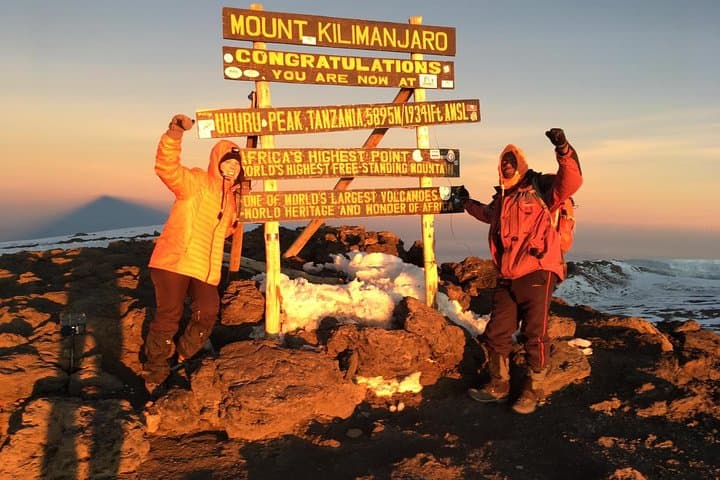
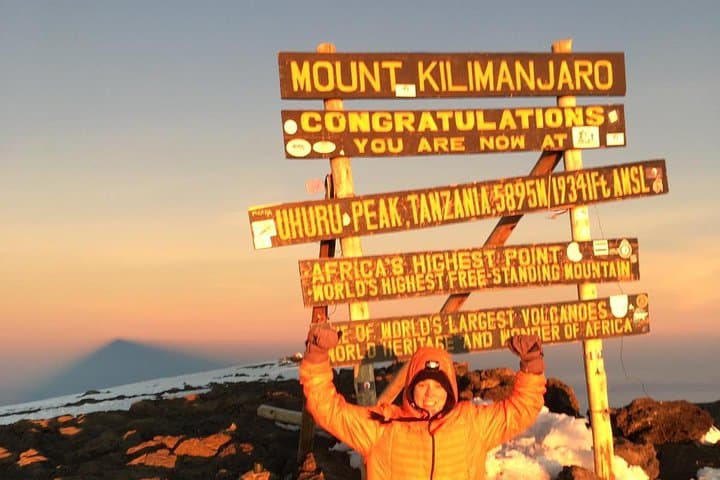
If you go, bring curiosity as well as gear. Let the mountain set its pace—its wind will prod you, its skyline will reward you—and remember that reaching Gillman’s Point at dawn is less a triumph over nature than a negotiated handshake with it.
Good cardiovascular fitness and experience with long, multi‑hour hiking days are recommended; acclimatization is the key to success, not raw speed.
Marangu is one of the more gradual routes and uses huts, but altitude still makes it challenging—six days gives better acclimatization than shorter itineraries.
This itinerary uses mountain huts at Mandara, Horombo and Kibo for overnighting; Kibo is basic and high altitude.
Altitude illness is the principal risk—follow guide advice, hydrate, and report symptoms early; weather can change quickly at high elevations.
Yes—park regulations require guides; porters are strongly advised for safety and to carry communal gear.
Dry seasons are optimal—January–March and June–October offer more stable weather and clearer summit views.
AFRICA NATURAL TOURS operates guided outdoor trips and adventures with an emphasis on safety, stewardship, and memorable experiences.
Dawn on the Marangu gate arrives in the color of coffee plantations and wisps of cloud that cling to Kilimanjaro’s lower flanks. You climb out of a band of rainforest that smells of wet earth and orchid pollen, the trail threading between moss-draped trunks and the calls of colobus monkeys. By midday the canopy opens and the world simplifies: heather moorland, then a stark, high-altitude desert—an environment that seems to push and test you with every change in air and light.
Dawn on the Marangu gate arrives in the color of coffee plantations and wisps of cloud that cling to Kilimanjaro’s lower flanks. You climb out of a band of rainforest that smells of wet earth and orchid pollen, the trail threading between moss-draped trunks and the calls of colobus monkeys. By midday the canopy opens and the world simplifies: heather moorland, then a stark, high-altitude desert—an environment that seems to push and test you with every change in air and light.
The Marangu Route, nicknamed the "Coca‑Cola" path for its popularity and gradual profile, is the classic six‑day push from Marangu Gate to Uhuru Peak. It moves from montane forest through heath and moor to the Saddle and finally the scree slope beneath Kibo. Huts—Mandara, Horombo and Kibo—are a practical legacy of early 20th‑century colonial access and the mountain's longstanding role in Tanzanian culture and tourism. Geologically, Kilimanjaro is a dormant stratovolcano; the crater rim and ice fields at the top are the last visible chapters of eruptions that shaped East Africa.
Culture around Kilimanjaro centers on the Chagga people, whose coffee terraces and irrigation knowledge fringe the park boundaries. Guides and porters—many from Moshi—bring not just expertise but an oral history of routes, weather patterns and the mountain's moods. Expect to hear "pole pole" (slowly) more than once; it's the climbing rhythm here.
Practicalities matter: the itinerary spaces acclimatization with a rest-and-walk day at Horombo, which measurably improves summit odds. Day lengths vary—expect 4–9 hours of walking on Days 1–4, a long summit push of 12–15 hours for Day 5, and a descent day back to Moshi. Terrain shifts from muddy, rooty trails to rocky tundra and loose scree; footing and pacing are constant concerns. Hydration, layered insulation, and a reliable headlamp for the midnight start are non‑negotiable.
Logistics are straightforward: pickup in Moshi, huts for overnighting, and meals provided on the trail. Fitness requirements favor regular cardio training and some experience with long, loaded days; the real variable is altitude—listen to your guides and your body.
If you go, bring curiosity as well as gear. Let the mountain set its pace—its wind will prod you, its skyline will reward you—and remember that reaching Gillman’s Point at dawn is less a triumph over nature than a negotiated handshake with it.