THE ADVENTURE COLLECTIVE® · Independent discovery and booking for outdoor travel

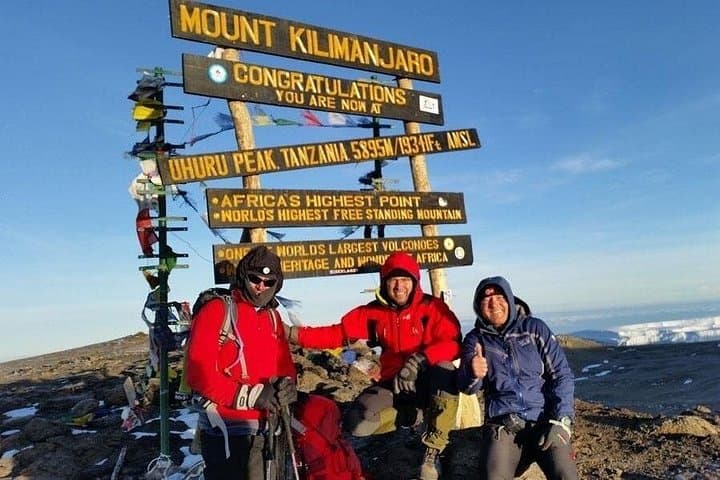
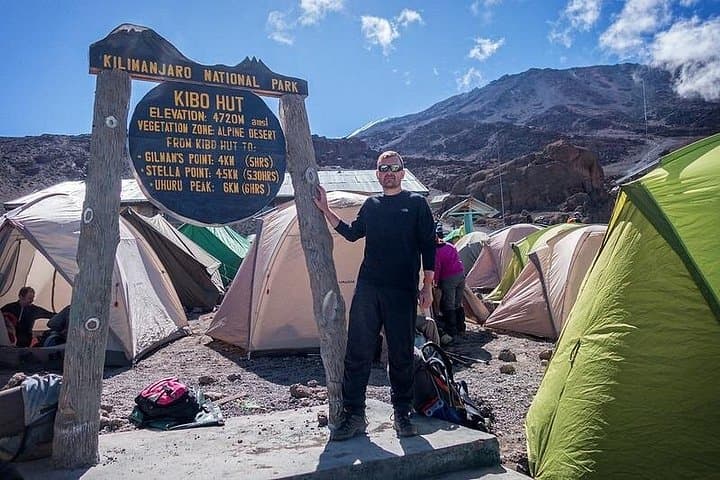
A six-day private climb on the Shira Route moves fast from montane forest to Kibo’s icy rim. Expect long hiking days, genuine altitude challenges and sweeping plateau views on a seldom-used approach to Uhuru Peak.
A six-day private climb on the Shira Route moves fast from montane forest to Kibo’s icy rim. Expect long hiking days, genuine altitude challenges and sweeping plateau views on a seldom-used approach to Uhuru Peak.
Pre-dawn headlamps pick out the ridge as you head from Barafu into a world of cold rock and thin air. The Shira Route starts high on Kilimanjaro’s western flank, and these six days move quickly from dripping montane forest to the wind-swept alpine desert and the crater’s icy rim. Expect long days, dramatic light on the Shira Plateau, and a dawn that forces both legs and lungs to wake for the summit push.
Verified experiences and guided adventures in the surrounding area.
Operated by Kanje grand tours · Arusha, Arusha Region
Pre-dawn headlamps pick out the ridge as you head from Barafu into a world of cold rock and thin air. The Shira Route starts high on Kilimanjaro’s western flank, and these six days move quickly from dripping montane forest to the wind-swept alpine desert and the crater’s icy rim. Expect long days, dramatic light on the Shira Plateau, and a dawn that forces both legs and lungs to wake for the summit push.
Geology here is raw: Kilimanjaro is a stratovolcano with three volcanic cones—Kibo, Mawenzi and Shira—whose lava flows and glacial cirques shape the trail. The Shira Route traces ancient lava on a broad plateau before angling toward Lava Tower and joining the southern circuits that reveal Kibo’s glaciers. Culturally, the trails cross lands long used by the Chagga and Maasai peoples; porters and guides are often local and knowledgeable about flora, weather, and mountain lore.
Practically, this itinerary starts at roughly 3,600 m (Shira Gate) and reaches Uhuru Peak at 5,895 m. Typical days: 4–6 hours of hiking on days 1–4, a very long summit night (midnight start) and a multi-hour descent. Terrain shifts from muddy rainforest to scree and occasional icy patches; trekking poles, gaiters and layered insulation are essential. Altitude sickness is the primary risk—move deliberately, hydrate, and use the team guide’s pacing. Plan for cold nights, strong daytime sun, and contingency time for weather. If you want a less crowded line on Kilimanjaro and can tolerate rapid altitude gain, the Shira variation rewards with wide plateau views and a hard-earned summit.
While not strictly required, prior multi-day trekking and some high-altitude experience greatly improve your chances of a safe summit and reduce altitude sickness risk.
Temperatures can drop well below freezing—expect -10°C to -20°C near Uhuru Peak depending on weather and wind chill, so proper insulating layers are essential.
The itinerary is shorter than many routes, starts higher, and is therefore more demanding on acclimatization; expect long days and a strenuous summit push.
Typical packages include park fees, camping, meals, guides and porters; confirm whether airport transfers or hotel nights in Arusha/Moshi are covered.
Kanje grand tours operates guided outdoor trips and adventures with an emphasis on safety, stewardship, and memorable experiences.


Pre-dawn headlamps pick out the ridge as you head from Barafu into a world of cold rock and thin air. The Shira Route starts high on Kilimanjaro’s western flank, and these six days move quickly from dripping montane forest to the wind-swept alpine desert and the crater’s icy rim. Expect long days, dramatic light on the Shira Plateau, and a dawn that forces both legs and lungs to wake for the summit push.
Pre-dawn headlamps pick out the ridge as you head from Barafu into a world of cold rock and thin air. The Shira Route starts high on Kilimanjaro’s western flank, and these six days move quickly from dripping montane forest to the wind-swept alpine desert and the crater’s icy rim. Expect long days, dramatic light on the Shira Plateau, and a dawn that forces both legs and lungs to wake for the summit push.
Geology here is raw: Kilimanjaro is a stratovolcano with three volcanic cones—Kibo, Mawenzi and Shira—whose lava flows and glacial cirques shape the trail. The Shira Route traces ancient lava on a broad plateau before angling toward Lava Tower and joining the southern circuits that reveal Kibo’s glaciers. Culturally, the trails cross lands long used by the Chagga and Maasai peoples; porters and guides are often local and knowledgeable about flora, weather, and mountain lore.
Practically, this itinerary starts at roughly 3,600 m (Shira Gate) and reaches Uhuru Peak at 5,895 m. Typical days: 4–6 hours of hiking on days 1–4, a very long summit night (midnight start) and a multi-hour descent. Terrain shifts from muddy rainforest to scree and occasional icy patches; trekking poles, gaiters and layered insulation are essential. Altitude sickness is the primary risk—move deliberately, hydrate, and use the team guide’s pacing. Plan for cold nights, strong daytime sun, and contingency time for weather. If you want a less crowded line on Kilimanjaro and can tolerate rapid altitude gain, the Shira variation rewards with wide plateau views and a hard-earned summit.