THE ADVENTURE COLLECTIVE® · Independent discovery and booking for outdoor travel

A six-day ascent of Kilimanjaro via the Machame Route moves you through rainforest, heath, and alpine desert before a strenuous night summit to Uhuru Peak. This guide outlines what to expect on trail, terrain, and practical preparations for a successful climb.
A six-day ascent of Kilimanjaro via the Machame Route moves you through rainforest, heath, and alpine desert before a strenuous night summit to Uhuru Peak. This guide outlines what to expect on trail, terrain, and practical preparations for a successful climb.
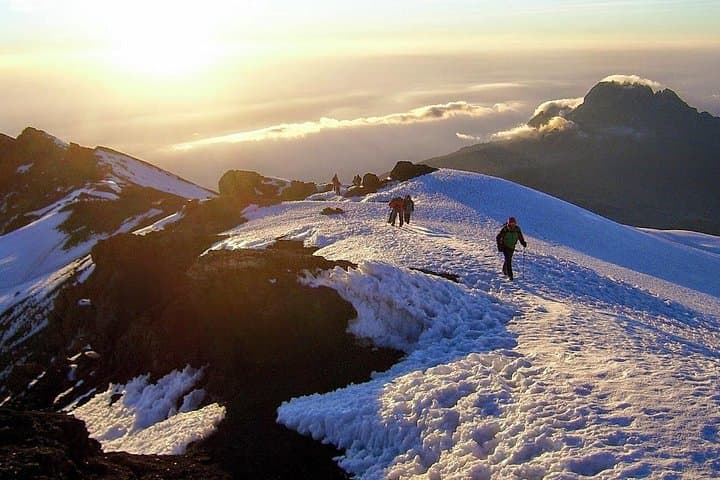
The night air on Kilimanjaro is thin and honest: headlamps pick out boot prints, porters' silhouettes move like clockwork, and the mountain’s outline knives the sky. On the Machame route you move from dense tropical forest into heath and alpine desert, each vegetation band announcing a new chapter of the climb.
Verified experiences and guided adventures in the surrounding area.
Operated by Matta African Luxury Safari · Moshi, Kilimanjaro Region
The night air on Kilimanjaro is thin and honest: headlamps pick out boot prints, porters' silhouettes move like clockwork, and the mountain’s outline knives the sky. On the Machame route you move from dense tropical forest into heath and alpine desert, each vegetation band announcing a new chapter of the climb.
Geology here is recent and raw — Kibo’s volcanic cone rises out of an old shield complex and its glaciers, once vast, now thread the crater rim. Human history around Kilimanjaro blends Chagga agricultural villages on the lower slopes with the long legacy of colonial mapping and modern Tanzanian conservation. The local culture is visible at trailheads and villages: smiles, coffee farms, and porters skilled at reading weather that hikers cannot yet see.
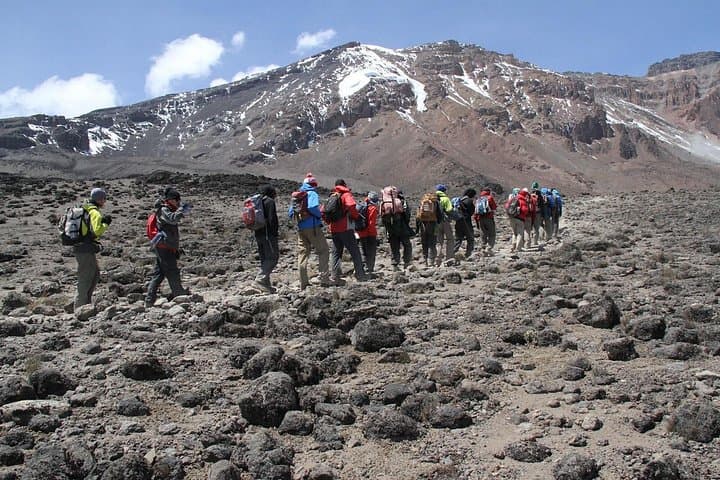
Expect steep, muddy switchbacks on day one, high ridge walks to Shira, the acclimatizing up-and-back via Lava Tower, and the demanding night-summit push from Barafu to Uhuru Peak. Terrain changes from slippery rainforest roots to loose scree and hard-packed volcanic gravel — gaiters and poles are essential. Altitude is the chief obstacle; pacing, hydration, and respect for symptoms matter more than speed.
Practical notes: plan for 4–6 hours of sleep before summit night, bring layered insulation for sub-zero summit conditions, and budget time in Moshi for rest and logistics. If you favor better summit success over speed, choose the Machame profile for its acclimatization benefits. The mountain tests patience as much as legs — go prepared and give the mountain the time it asks for.
Machame is steeper and more technically varied than Marangu but offers a better acclimatization profile than some short routes; it’s considered difficult due to long elevation gains and a demanding summit night.
No technical climbing is required on the standard Machame route, but you must be comfortable on loose scree and cold, potentially snowy conditions near the summit.
Watch for persistent headache, nausea, dizziness, and reduced coordination; descend immediately if severe AMS, HACE, or HAPE symptoms appear and follow guide instructions.
Packages usually include park fees, meals on trek, camping accommodations, water, guides and porters, and transfers to/from Moshi; confirm specifics with the operator.
Matta African Luxury Safari operates guided outdoor trips and adventures with an emphasis on safety, stewardship, and memorable experiences.


The night air on Kilimanjaro is thin and honest: headlamps pick out boot prints, porters' silhouettes move like clockwork, and the mountain’s outline knives the sky. On the Machame route you move from dense tropical forest into heath and alpine desert, each vegetation band announcing a new chapter of the climb.
The night air on Kilimanjaro is thin and honest: headlamps pick out boot prints, porters' silhouettes move like clockwork, and the mountain’s outline knives the sky. On the Machame route you move from dense tropical forest into heath and alpine desert, each vegetation band announcing a new chapter of the climb.
Geology here is recent and raw — Kibo’s volcanic cone rises out of an old shield complex and its glaciers, once vast, now thread the crater rim. Human history around Kilimanjaro blends Chagga agricultural villages on the lower slopes with the long legacy of colonial mapping and modern Tanzanian conservation. The local culture is visible at trailheads and villages: smiles, coffee farms, and porters skilled at reading weather that hikers cannot yet see.
Expect steep, muddy switchbacks on day one, high ridge walks to Shira, the acclimatizing up-and-back via Lava Tower, and the demanding night-summit push from Barafu to Uhuru Peak. Terrain changes from slippery rainforest roots to loose scree and hard-packed volcanic gravel — gaiters and poles are essential. Altitude is the chief obstacle; pacing, hydration, and respect for symptoms matter more than speed.
Practical notes: plan for 4–6 hours of sleep before summit night, bring layered insulation for sub-zero summit conditions, and budget time in Moshi for rest and logistics. If you favor better summit success over speed, choose the Machame profile for its acclimatization benefits. The mountain tests patience as much as legs — go prepared and give the mountain the time it asks for.