THE ADVENTURE COLLECTIVE® · Independent discovery and booking for outdoor travel

A six-day Machame Route trek to Uhuru Peak blends jungle trails, moorland expanses and a demanding high-altitude summit push. This guide outlines the route, what to expect, and practical prep to help you reach Africa’s highest point safely.
A six-day Machame Route trek to Uhuru Peak blends jungle trails, moorland expanses and a demanding high-altitude summit push. This guide outlines the route, what to expect, and practical prep to help you reach Africa’s highest point safely.
You stand at Machame Gate before dawn, damp air from the rainforest clinging to your jacket and porters arranging packs like quiet choreographers. The trail climbs, first under a green ceiling of moss-draped trees that seem to push you upward, then through moorland and alpine desert where wind and light sharpen every contour of the mountain.
Verified experiences and guided adventures in the surrounding area.
Operated by Spirit of Kilimanjaro · Moshi, Kilimanjaro Region
You stand at Machame Gate before dawn, damp air from the rainforest clinging to your jacket and porters arranging packs like quiet choreographers. The trail climbs, first under a green ceiling of moss-draped trees that seem to push you upward, then through moorland and alpine desert where wind and light sharpen every contour of the mountain.
This itinerary follows the Machame Route’s classic sequence of ecosystems—rainforest, heather and moorland, alpine desert—each shaped by Kilimanjaro’s volcanic backbone. Geologically, the mountain is a dormant stratovolcano whose glaciers and scree fields tell a recent story of climate shifts; culturally, the Chagga people on Kilimanjaro’s slopes have long guided climbers and worked the land in coffee terraces below.
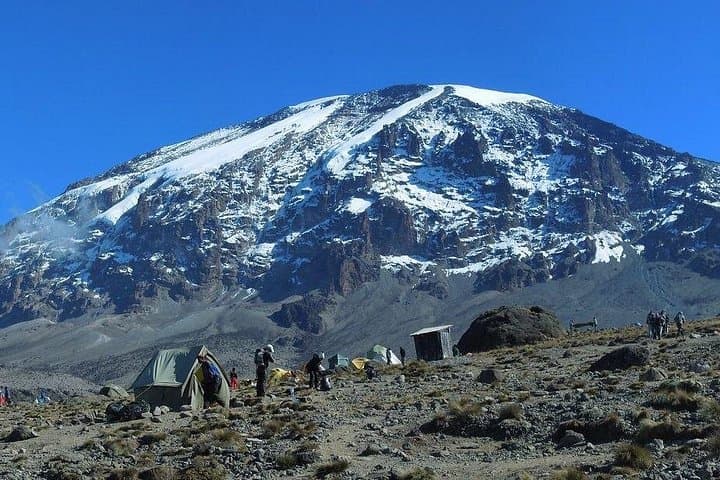
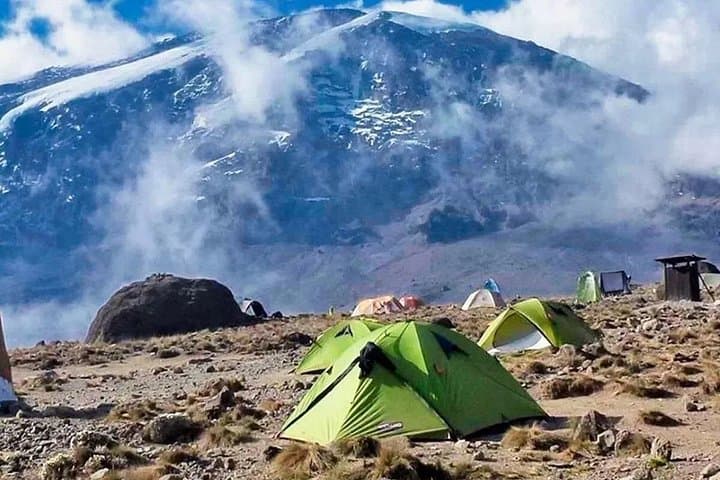
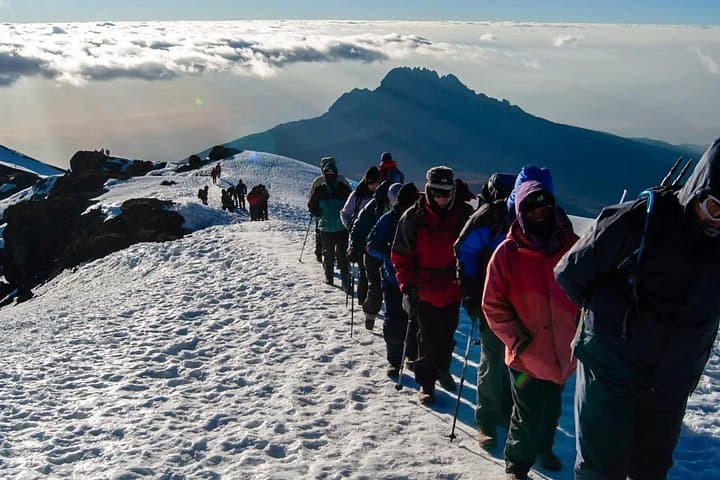
Expect steep, sustained ascents and an essential acclimatization day at Lava Tower before the final push from Barafu Camp to Uhuru Peak at 5,895 m. Summit day is a pre-dawn slog on loose volcanic scree and wind-battered ridgelines, rewarded by a sunrise that exposes Africa’s plains like a map.
Practical guidance: train with long days on hilly terrain and practice trekking with a loaded pack. Pack layered clothing for freezing pre-dawn starts and strong midday sun; bring a rated sleeping bag (included in many packages) and reliable boots with ankle support. Hydrate aggressively and follow your guides’ pace—slow, steady steps beat fast bursts at altitude.
Timing: the mountain is busiest in the dry windows (January–February, June–October); weather can change rapidly. Respect park rules, tip porters fairly, and plan extra travel days on either side of the climb for logistics and recovery.
No technical climbing skills are required; the route is a strenuous hike using established trails, but high-altitude trekking experience is highly recommended.
Most packages include park fees, guides and porters, meals, camp accommodation and a sleeping bag (confirm rating), plus airport transfers—international flights and visas are not included.
Altitude sickness is common above 3,000 m; guides manage risk through acclimatization days, slow pacing, hydration and monitoring—medication and descent are used if symptoms worsen.
The clearest windows are January–February and June–October; these months have the most stable weather and are preferred for summit attempts.
Spirit of Kilimanjaro operates guided outdoor trips and adventures with an emphasis on safety, stewardship, and memorable experiences.

You stand at Machame Gate before dawn, damp air from the rainforest clinging to your jacket and porters arranging packs like quiet choreographers. The trail climbs, first under a green ceiling of moss-draped trees that seem to push you upward, then through moorland and alpine desert where wind and light sharpen every contour of the mountain.
You stand at Machame Gate before dawn, damp air from the rainforest clinging to your jacket and porters arranging packs like quiet choreographers. The trail climbs, first under a green ceiling of moss-draped trees that seem to push you upward, then through moorland and alpine desert where wind and light sharpen every contour of the mountain.
This itinerary follows the Machame Route’s classic sequence of ecosystems—rainforest, heather and moorland, alpine desert—each shaped by Kilimanjaro’s volcanic backbone. Geologically, the mountain is a dormant stratovolcano whose glaciers and scree fields tell a recent story of climate shifts; culturally, the Chagga people on Kilimanjaro’s slopes have long guided climbers and worked the land in coffee terraces below.
Expect steep, sustained ascents and an essential acclimatization day at Lava Tower before the final push from Barafu Camp to Uhuru Peak at 5,895 m. Summit day is a pre-dawn slog on loose volcanic scree and wind-battered ridgelines, rewarded by a sunrise that exposes Africa’s plains like a map.
Practical guidance: train with long days on hilly terrain and practice trekking with a loaded pack. Pack layered clothing for freezing pre-dawn starts and strong midday sun; bring a rated sleeping bag (included in many packages) and reliable boots with ankle support. Hydrate aggressively and follow your guides’ pace—slow, steady steps beat fast bursts at altitude.
Timing: the mountain is busiest in the dry windows (January–February, June–October); weather can change rapidly. Respect park rules, tip porters fairly, and plan extra travel days on either side of the climb for logistics and recovery.