THE ADVENTURE COLLECTIVE® · Independent discovery and booking for outdoor travel

A quieter, high-start alternative to the classic Lemosho route, the 6-day Shira Route delivers expansive plateau walking and a direct path to Uhuru Peak. Expect rapid altitude gains, mixed terrain from forest to scree, and a summit push at dawn.
A quieter, high-start alternative to the classic Lemosho route, the 6-day Shira Route delivers expansive plateau walking and a direct path to Uhuru Peak. Expect rapid altitude gains, mixed terrain from forest to scree, and a summit push at dawn.
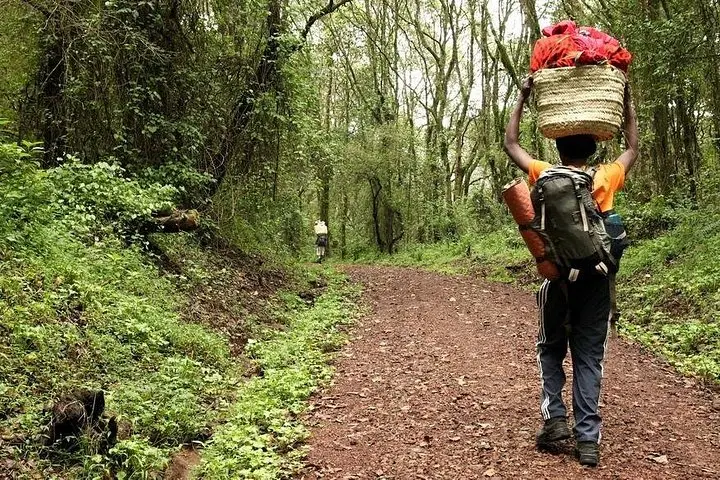
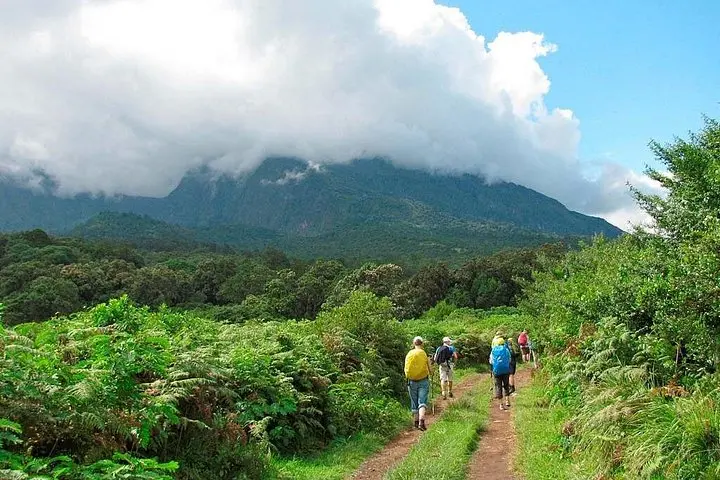
You step onto the Shira Plateau where wind scours the grass and the massif rises like an old volcano daring you onward. Early days are quiet — fewer trekkers cross this broad highland — and the trail alternates between mossy montane forest, open moorland and the exposed, gravelly slopes that define Kibo.
Verified experiences and guided adventures in the surrounding area.
Operated by Unco Adventures · Moshi, Kilimanjaro Region
You step onto the Shira Plateau where wind scours the grass and the massif rises like an old volcano daring you onward. Early days are quiet — fewer trekkers cross this broad highland — and the trail alternates between mossy montane forest, open moorland and the exposed, gravelly slopes that define Kibo.
Geologically Kilimanjaro is a three-coned stratovolcano; the Shira Route crosses ancient lava flows and high alpine desert before joining the Lemosho/Machame corridors. Culturally the slopes sit in Chagga country: villages around Moshi supply guides and porters whose local knowledge frames every safe summit attempt. The mountain’s glaciers and the crater rim at 5,895 m (Uhuru Peak) are dramatic reminders of both volcanic force and rapid climatic change.
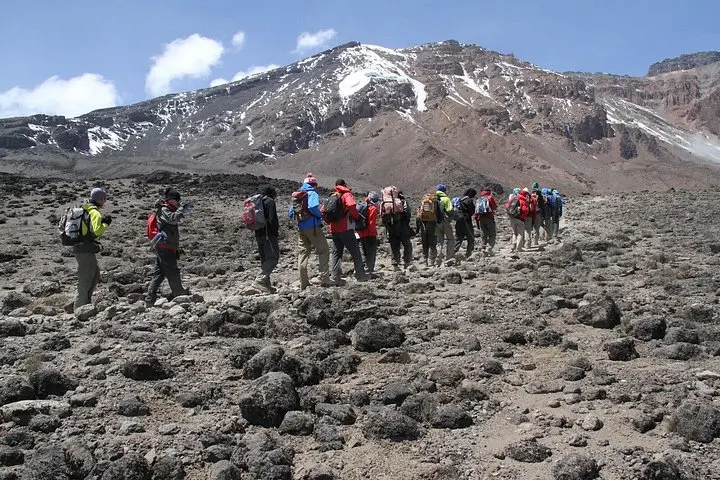
Practically, expect six days of trekking with daily transfers from Moshi and guided hikes that range from 3–6 hours on approach days to a very long summit push (midnight–sunrise) followed by a steep descent. Key metrics: summit 5,895 m, daytime elevations commonly between ~3,000–4,700 m on approach camps, and technical difficulty is non-technical but high-altitude. Terrain shifts from muddy forest trails (gaiters useful) to scree and snow near the crater (microspikes optional depending on conditions).
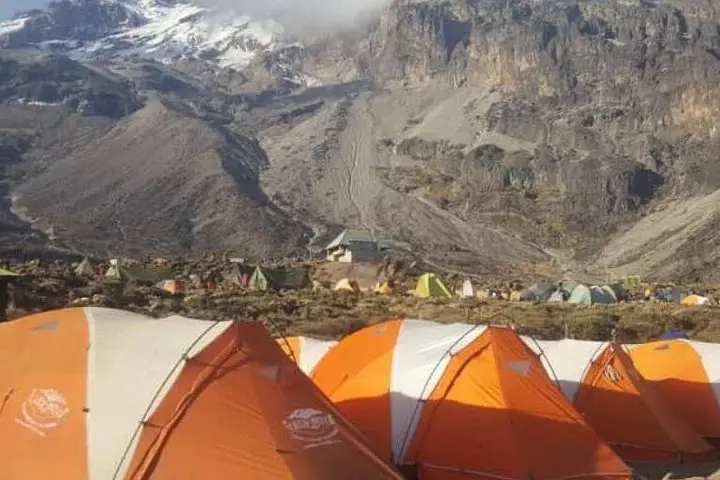
Acclimatization is the priority: move slowly, hydrate frequently, and heed your guide. Expect communal camps, full-board meals provided, and the quiet camaraderie of a small team. If you want fewer crowds and direct exposure to the high plateau, the Shira Route delivers a remote feel and a serious summit experience.
No technical climbing skills are required, but prior multi-day trekking experience and good altitude fitness are strongly recommended.
The clearest windows are January–March and June–October; avoid the long rains (March–May) and short rains (October–December) when trails get muddy and visibility drops.
Typical inclusions are full-board meals on the mountain, park fees, camp/tent/porter services, qualified guides, and transfers to/from Moshi; check your operator’s details for exact inclusions.
Summit day usually starts between midnight and 2 a.m.; expect 5–7 hours to Uhuru Peak from Barafu and a further 4–6 hours descent to Mweka—this is the most physically and mentally demanding day.
Unco Adventures operates guided outdoor trips and adventures with an emphasis on safety, stewardship, and memorable experiences.
You step onto the Shira Plateau where wind scours the grass and the massif rises like an old volcano daring you onward. Early days are quiet — fewer trekkers cross this broad highland — and the trail alternates between mossy montane forest, open moorland and the exposed, gravelly slopes that define Kibo.
You step onto the Shira Plateau where wind scours the grass and the massif rises like an old volcano daring you onward. Early days are quiet — fewer trekkers cross this broad highland — and the trail alternates between mossy montane forest, open moorland and the exposed, gravelly slopes that define Kibo.
Geologically Kilimanjaro is a three-coned stratovolcano; the Shira Route crosses ancient lava flows and high alpine desert before joining the Lemosho/Machame corridors. Culturally the slopes sit in Chagga country: villages around Moshi supply guides and porters whose local knowledge frames every safe summit attempt. The mountain’s glaciers and the crater rim at 5,895 m (Uhuru Peak) are dramatic reminders of both volcanic force and rapid climatic change.
Practically, expect six days of trekking with daily transfers from Moshi and guided hikes that range from 3–6 hours on approach days to a very long summit push (midnight–sunrise) followed by a steep descent. Key metrics: summit 5,895 m, daytime elevations commonly between ~3,000–4,700 m on approach camps, and technical difficulty is non-technical but high-altitude. Terrain shifts from muddy forest trails (gaiters useful) to scree and snow near the crater (microspikes optional depending on conditions).
Acclimatization is the priority: move slowly, hydrate frequently, and heed your guide. Expect communal camps, full-board meals provided, and the quiet camaraderie of a small team. If you want fewer crowds and direct exposure to the high plateau, the Shira Route delivers a remote feel and a serious summit experience.