THE ADVENTURE COLLECTIVE® · Independent discovery and booking for outdoor travel

Follow the classic Marangu (Coca‑Cola) route to Uhuru Peak over six days of rainforest, moorland and alpine desert. This hut‑based itinerary balances a direct line to the summit with an extra acclimatization day for improved success.
Follow the classic Marangu (Coca‑Cola) route to Uhuru Peak over six days of rainforest, moorland and alpine desert. This hut‑based itinerary balances a direct line to the summit with an extra acclimatization day for improved success.
Night on the trail begins as a thin silver of headlamp light threads between giant lobelias and the hushed rainforest—your small procession climbing through cloud, then moorland, then the bare, lunar saddle that separates Mawenzi from Kibo.
Verified experiences and guided adventures in the surrounding area.
Operated by Gracepatt Safaris · Moshi, Kilimanjaro Region
Night on the trail begins as a thin silver of headlamp light threads between giant lobelias and the hushed rainforest—your small procession climbing through cloud, then moorland, then the bare, lunar saddle that separates Mawenzi from Kibo.
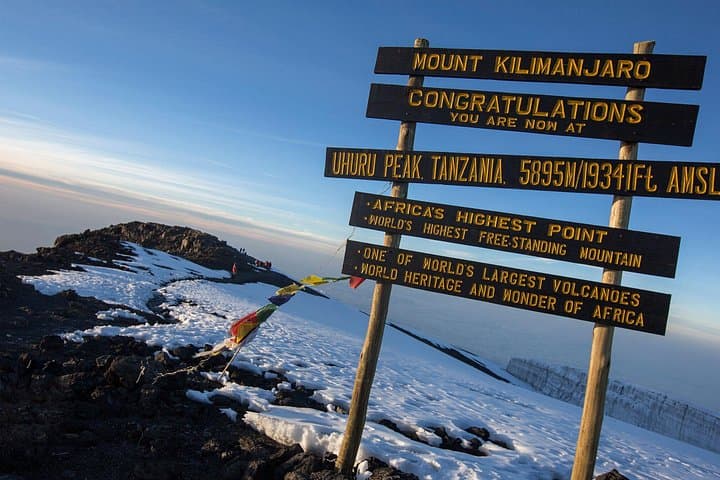
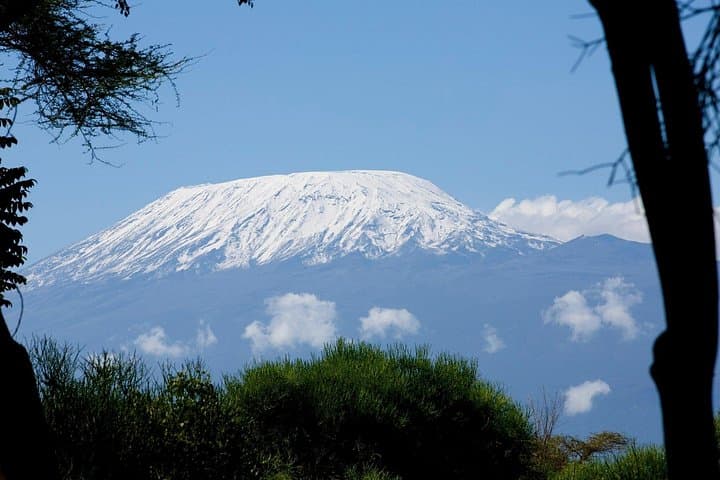
The Marangu route, often called the "Coca‑Cola" route, is the mountain’s oldest and most direct approach, famous for dormitory huts at Mandara, Horombo and Kibo. Geologically Kilimanjaro is a three‑peaked stratovolcano; you move from equatorial rainforest through heath and alpine desert to the glaciated crater rim at 5,895 m (Uhuru Peak). Culturally the Chagga people have lived on Kilimanjaro’s lower slopes for centuries, cultivating bananas and coffee on terraced farms below the park boundary.
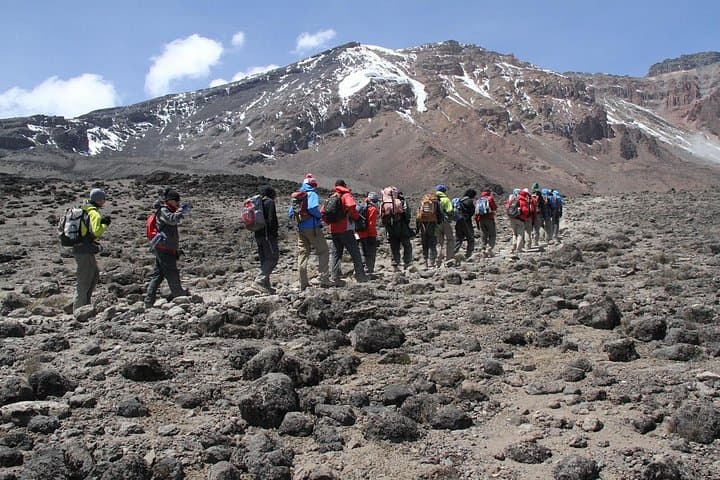
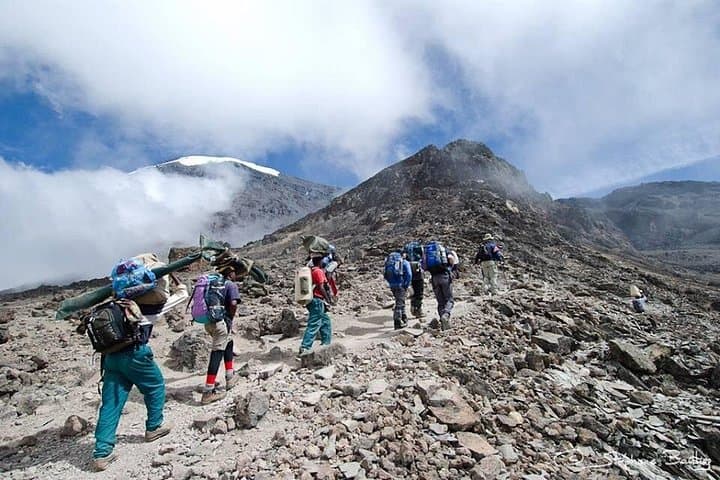
Expect 6 days of trekking, roughly 40–50 km total and about 4,000 m of cumulative ascent from Marangu Gate (~1,860 m) to Uhuru Peak. Terrain shifts: muddy, root‑strewn forest trails, tussock moorland, rocky scree and post‑glacial sand on the summit push. The summit day starts around midnight and can run 10–14 hours round‑trip; Gilman’s Point offers the first sunrise over Mawenzi, and Uhuru rewards you with a broad African plain view.
Practical guidance: huts provide mattresses and communal dining; bring a warm sleeping bag and layers. Acclimatization time matters—this itinerary includes an extra acclimatization day on Mawenzi Ridge. Hydrate, use trekking poles for the scree, and pace the summit night conservatively. Permits and a licensed guide are mandatory—plan logistics in Moshi beforehand and allow a buffer day for travel.
No technical climbing skills are required—the route is non‑technical trekking—but prior multi‑day hiking experience and good cardio fitness improve comfort and safety.
Huts offer dormitory bunks with mattresses and communal dining; bring your own sleeping bag and a small pad for hygiene and warmth.
Acute mountain sickness can affect anyone; the extra acclimatization day and a conservative ascent profile reduce risk but monitor symptoms and descend if they worsen.
Dry months—January–February and June–October—offer more stable weather and better summit visibility than the rainy seasons.
Gracepatt Safaris operates guided outdoor trips and adventures with an emphasis on safety, stewardship, and memorable experiences.
Night on the trail begins as a thin silver of headlamp light threads between giant lobelias and the hushed rainforest—your small procession climbing through cloud, then moorland, then the bare, lunar saddle that separates Mawenzi from Kibo.
Night on the trail begins as a thin silver of headlamp light threads between giant lobelias and the hushed rainforest—your small procession climbing through cloud, then moorland, then the bare, lunar saddle that separates Mawenzi from Kibo.
The Marangu route, often called the "Coca‑Cola" route, is the mountain’s oldest and most direct approach, famous for dormitory huts at Mandara, Horombo and Kibo. Geologically Kilimanjaro is a three‑peaked stratovolcano; you move from equatorial rainforest through heath and alpine desert to the glaciated crater rim at 5,895 m (Uhuru Peak). Culturally the Chagga people have lived on Kilimanjaro’s lower slopes for centuries, cultivating bananas and coffee on terraced farms below the park boundary.
Expect 6 days of trekking, roughly 40–50 km total and about 4,000 m of cumulative ascent from Marangu Gate (~1,860 m) to Uhuru Peak. Terrain shifts: muddy, root‑strewn forest trails, tussock moorland, rocky scree and post‑glacial sand on the summit push. The summit day starts around midnight and can run 10–14 hours round‑trip; Gilman’s Point offers the first sunrise over Mawenzi, and Uhuru rewards you with a broad African plain view.
Practical guidance: huts provide mattresses and communal dining; bring a warm sleeping bag and layers. Acclimatization time matters—this itinerary includes an extra acclimatization day on Mawenzi Ridge. Hydrate, use trekking poles for the scree, and pace the summit night conservatively. Permits and a licensed guide are mandatory—plan logistics in Moshi beforehand and allow a buffer day for travel.