THE ADVENTURE COLLECTIVE® · Independent discovery and booking for outdoor travel

A disciplined, six-day ascent of Kilimanjaro’s Marangu Route that trades technical climbing for stamina, smart acclimatization and a nighttime summit push to Gillman’s Point or Uhuru Peak. Read practical tips for terrain, timing and gear before you go.
A disciplined, six-day ascent of Kilimanjaro’s Marangu Route that trades technical climbing for stamina, smart acclimatization and a nighttime summit push to Gillman’s Point or Uhuru Peak. Read practical tips for terrain, timing and gear before you go.
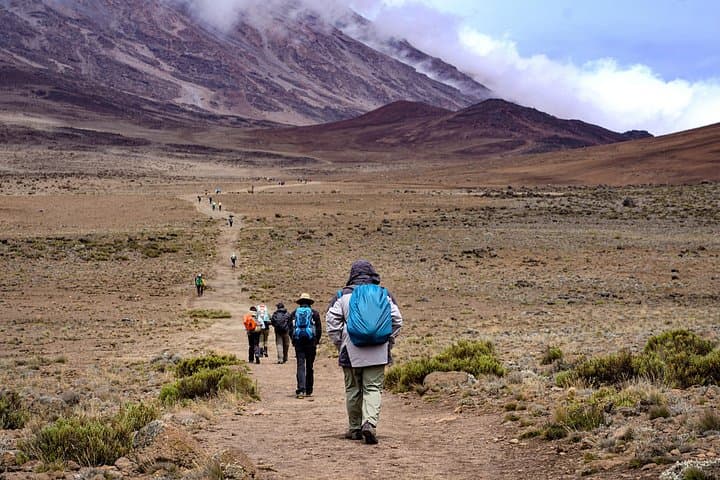
Night at the trailhead smells of wet earth and tea; by dawn the rainforest opens like a slow door and the path climbs into a world pared down to wind, stone and sky. The Marangu Route unfurls from Marangu Gate through moss-draped rainforest, up through moorland to the desiccated silence of the alpine desert, and finally onto the crater rim where Gillman’s Point and Uhuru Peak sit above the clouds.
Verified experiences and guided adventures in the surrounding area.
Operated by Aglow Safaris · Moshi, Kilimanjaro Region
Night at the trailhead smells of wet earth and tea; by dawn the rainforest opens like a slow door and the path climbs into a world pared down to wind, stone and sky. The Marangu Route unfurls from Marangu Gate through moss-draped rainforest, up through moorland to the desiccated silence of the alpine desert, and finally onto the crater rim where Gillman’s Point and Uhuru Peak sit above the clouds.
Kilimanjaro is a freestanding volcanic massif shaped by successive eruptions; Kibo, Mawenzi and Shira each tell a chapter of a million-year history. The Chagga people have lived on its fertile lower slopes for centuries, cultivating banana terraces and sharing stories of the mountain’s moods. Hans Meyer’s 1889 ascent put Kilimanjaro on the map for international climbers; today the mountain is protected within Kilimanjaro National Park and managed to balance tourism and conservation.
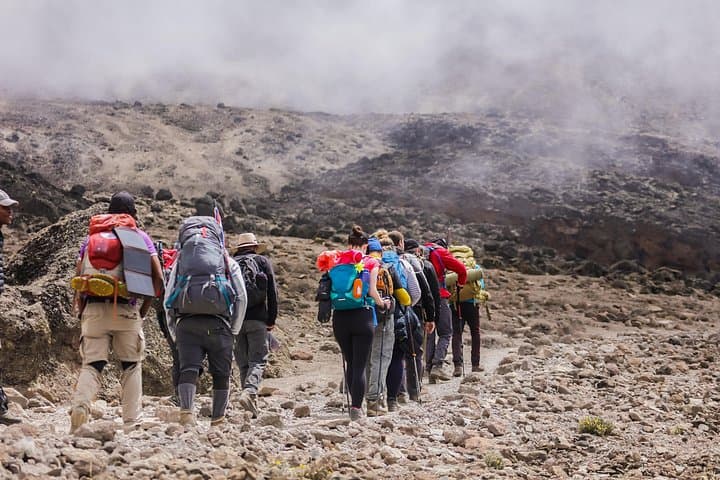
Expect varied terrain: rooted, slippery rainforest trails; rocky moorland with giant lobelias; and loose volcanic scree on the final push. Weather swings fast—warm days can flip to wind and snow above 4,500 m. The itinerary’s extra acclimatization day (Horombo) reduces altitude risk and increases summit success rates.
Practical guidance: train with long hikes and vertical gain, pack layered insulation for night ascents, and carry a reliable headlamp and 3–4 liters of water capacity. Move deliberately on summit night—short, steady steps and frequent small snacks help. Respect porter welfare and park rules; minimize single-use plastics and pack out non-biodegradables. With solid fitness, sensible gear and patient pacing, the Marangu Route offers a direct, well-serviced path to Africa’s roof.
You should be in good aerobic shape, used to long uphill hikes with sustained elevation gain; specific training hikes with heavy packs will help.
No technical climbing is needed—the route is a strenuous hike and scramble in places, but not technical mountaineering.
Altitude sickness, rapid weather changes, hypothermia on summit night, and falls on loose scree are primary concerns—preparedness and slow pacing mitigate these.
Yes—Kilimanjaro National Park fees, camping/hut fees and rescue levies are required and typically handled through the operator as part of the booking.
Aglow Safaris operates guided outdoor trips and adventures with an emphasis on safety, stewardship, and memorable experiences.
Night at the trailhead smells of wet earth and tea; by dawn the rainforest opens like a slow door and the path climbs into a world pared down to wind, stone and sky. The Marangu Route unfurls from Marangu Gate through moss-draped rainforest, up through moorland to the desiccated silence of the alpine desert, and finally onto the crater rim where Gillman’s Point and Uhuru Peak sit above the clouds.
Night at the trailhead smells of wet earth and tea; by dawn the rainforest opens like a slow door and the path climbs into a world pared down to wind, stone and sky. The Marangu Route unfurls from Marangu Gate through moss-draped rainforest, up through moorland to the desiccated silence of the alpine desert, and finally onto the crater rim where Gillman’s Point and Uhuru Peak sit above the clouds.
Kilimanjaro is a freestanding volcanic massif shaped by successive eruptions; Kibo, Mawenzi and Shira each tell a chapter of a million-year history. The Chagga people have lived on its fertile lower slopes for centuries, cultivating banana terraces and sharing stories of the mountain’s moods. Hans Meyer’s 1889 ascent put Kilimanjaro on the map for international climbers; today the mountain is protected within Kilimanjaro National Park and managed to balance tourism and conservation.
Expect varied terrain: rooted, slippery rainforest trails; rocky moorland with giant lobelias; and loose volcanic scree on the final push. Weather swings fast—warm days can flip to wind and snow above 4,500 m. The itinerary’s extra acclimatization day (Horombo) reduces altitude risk and increases summit success rates.
Practical guidance: train with long hikes and vertical gain, pack layered insulation for night ascents, and carry a reliable headlamp and 3–4 liters of water capacity. Move deliberately on summit night—short, steady steps and frequent small snacks help. Respect porter welfare and park rules; minimize single-use plastics and pack out non-biodegradables. With solid fitness, sensible gear and patient pacing, the Marangu Route offers a direct, well-serviced path to Africa’s roof.