THE ADVENTURE COLLECTIVE® · Independent discovery and booking for outdoor travel

A classic 6-day ascent of Kilimanjaro via the scenic Machame (Whiskey) Route, designed for acclimatization and summit success. Read on for terrain, timing and practical tips to prepare for Uhuru Peak.
A classic 6-day ascent of Kilimanjaro via the scenic Machame (Whiskey) Route, designed for acclimatization and summit success. Read on for terrain, timing and practical tips to prepare for Uhuru Peak.
You stand at Machame Gate before dawn, the rainforest breathing mist across the trail as porters tighten packs and guides check ropes and maps. The path climbs through dripping moss, opens onto heath and moorland, then narrows into volcanic scree that tests every step. By midnight on summit night the ridge is a teeth of wind and rock, the sky a black ocean that parts as sunrise paints Uhuru Peak.
Verified experiences and guided adventures in the surrounding area.
Operated by VISION SAFARI & TOURS · Moshi, Kilimanjaro Region
You stand at Machame Gate before dawn, the rainforest breathing mist across the trail as porters tighten packs and guides check ropes and maps. The path climbs through dripping moss, opens onto heath and moorland, then narrows into volcanic scree that tests every step. By midnight on summit night the ridge is a teeth of wind and rock, the sky a black ocean that parts as sunrise paints Uhuru Peak.
Geology here is blunt and old: Kilimanjaro is a dormant stratovolcano with three cones—Kibo, Mawenzi and Shira—sculpted by eruptions and erosion. The mountain’s zones change quickly: tropical forest gives way to moorland, alpine desert and finally the arctic-like summit. Local culture centers on the Chagga communities around Moshi; their farms and stories are woven into approach trails and village markets where guides source food and hire crews.
Practical guidance matters as much as scenery. The Machame route’s 6-day itinerary uses climb-high/sleep-low tactics—Lava Tower acclimatization is a key day—so pace, hydration and sleep are carriers of success. Bring layered clothing for temperature swings, broken-in boots for mixed terrain, and a reliable headlamp for summit moves. Watch for altitude symptoms early; guides will monitor and decide when to descend. Expect cold, wind and hypoxic slowdowns above 4,500 m; summit day can take 10–14 hours round trip from Barafu camp.
Plan for park permits, certified guides and porters; leave no trace and tip generously—the mountain runs on local labor and respect.
No; the Machame route is non-technical—no ropes or crampons required in typical conditions—but it demands stamina and experience with long, high-altitude hiking.
June–October (dry season) and late December–February offer the most stable weather; shoulder months can work but expect more rain and cloud.
Altitude sickness is the primary risk—symptoms can appear above 3,000 m; following acclimatization days, staying hydrated and communicating with guides reduces danger, but be prepared to descend if symptoms worsen.
Yes—park permits, registered guides and crew are mandatory for Kilimanjaro treks; they handle logistics, safety and local regulations.
VISION SAFARI & TOURS operates guided outdoor trips and adventures with an emphasis on safety, stewardship, and memorable experiences.
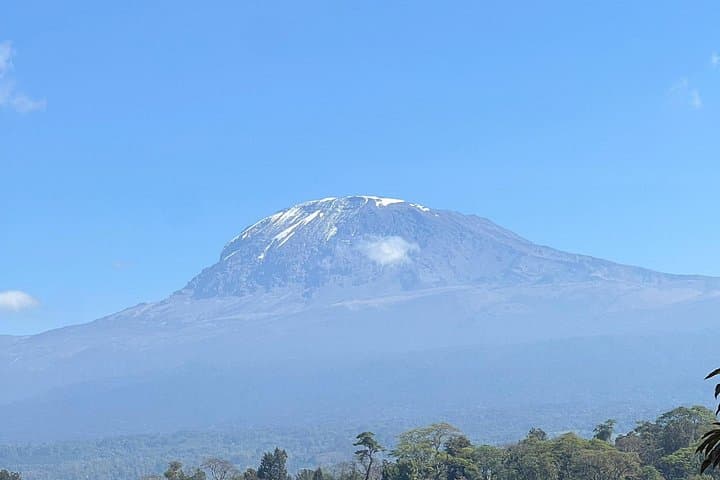
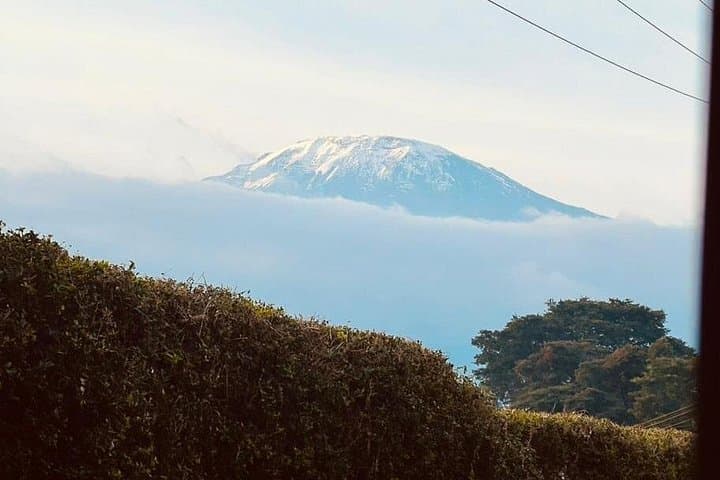
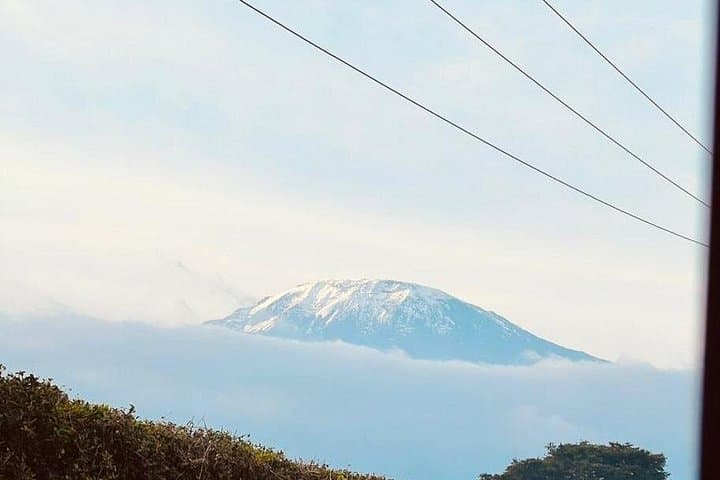
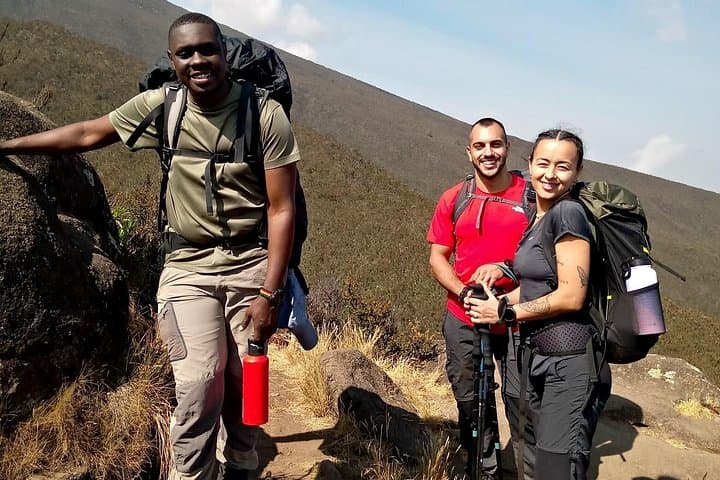
You stand at Machame Gate before dawn, the rainforest breathing mist across the trail as porters tighten packs and guides check ropes and maps. The path climbs through dripping moss, opens onto heath and moorland, then narrows into volcanic scree that tests every step. By midnight on summit night the ridge is a teeth of wind and rock, the sky a black ocean that parts as sunrise paints Uhuru Peak.
You stand at Machame Gate before dawn, the rainforest breathing mist across the trail as porters tighten packs and guides check ropes and maps. The path climbs through dripping moss, opens onto heath and moorland, then narrows into volcanic scree that tests every step. By midnight on summit night the ridge is a teeth of wind and rock, the sky a black ocean that parts as sunrise paints Uhuru Peak.
Geology here is blunt and old: Kilimanjaro is a dormant stratovolcano with three cones—Kibo, Mawenzi and Shira—sculpted by eruptions and erosion. The mountain’s zones change quickly: tropical forest gives way to moorland, alpine desert and finally the arctic-like summit. Local culture centers on the Chagga communities around Moshi; their farms and stories are woven into approach trails and village markets where guides source food and hire crews.
Practical guidance matters as much as scenery. The Machame route’s 6-day itinerary uses climb-high/sleep-low tactics—Lava Tower acclimatization is a key day—so pace, hydration and sleep are carriers of success. Bring layered clothing for temperature swings, broken-in boots for mixed terrain, and a reliable headlamp for summit moves. Watch for altitude symptoms early; guides will monitor and decide when to descend. Expect cold, wind and hypoxic slowdowns above 4,500 m; summit day can take 10–14 hours round trip from Barafu camp.
Plan for park permits, certified guides and porters; leave no trace and tip generously—the mountain runs on local labor and respect.