THE ADVENTURE COLLECTIVE® · Independent discovery and booking for outdoor travel

A compact, private six-day loop from Leh that pairs high mountain driving—Khardung La and Chang La—with visits to Alchi, Nubra Valley and Pangong Tso. Ideal for travelers who want immersive culture and dramatic high-altitude landscapes with guided logistics and camps included.
A compact, private six-day loop from Leh that pairs high mountain driving—Khardung La and Chang La—with visits to Alchi, Nubra Valley and Pangong Tso. Ideal for travelers who want immersive culture and dramatic high-altitude landscapes with guided logistics and camps included.
You step off the plane into thin, razor-bright air and Leh greets you like a high plain with a hard edge: wide sky, salt-streaked riverbeds, and mountains that seem to press the sun into cold light.
Verified experiences and guided adventures in the surrounding area.
Operated by Travel Component · Leh, Ladakh
You step off the plane into thin, razor-bright air and Leh greets you like a high plain with a hard edge: wide sky, salt-streaked riverbeds, and mountains that seem to press the sun into cold light.
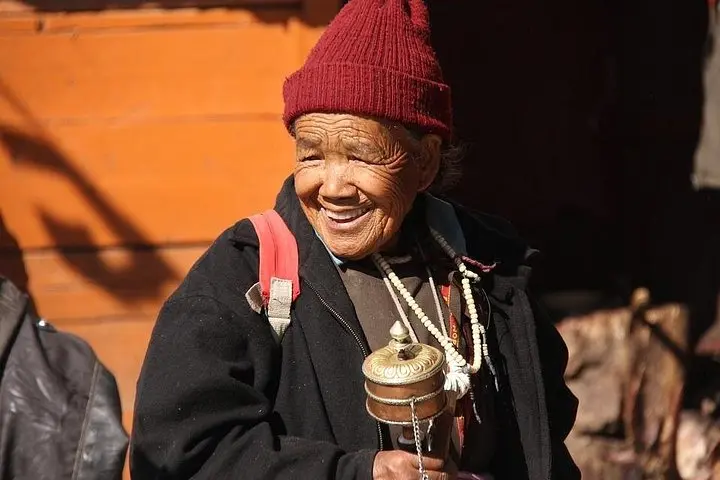
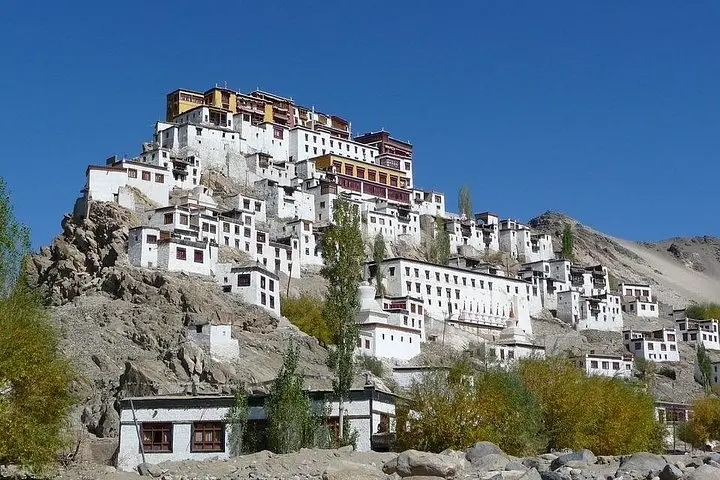
This six-day private circuit threads together monasteries, high passes and stark lakes—Leh’s Shanti Stupa and Leh Palace, the thousand-year-old murals at Alchi, the sand dunes and monasteries of Nubra, and the mirror-like sweep of Pangong Tso. Geology here reads like a travelogue in stone: wind-sanded alluvial fans, glacially carved valleys and salt lakes fed by snowmelt. Culturally, Ladakh remains a crossroads of Tibetan Buddhism and historic caravan routes that linked Central Asia with the Indian plains.
Expect long, scenic drives—Khardung La (≈5,600 m / 18,380 ft) and Chang La (≈5,360 m / 17,590 ft) are highlights—and short, sensory walks around monasteries and lakeshores. The confluence of the Zanskar and Indus rivers offers sharp photographic contrasts; Nubra’s cold desert presents silver dunes and starlit camp nights.
Practically: acclimatize in Leh for 24–48 hours, drink plenty of fluids, and plan for morning blue-light glare and evening cold. Roads are rugged; cushion travel with layered clothing and motion-sickness precautions. Permits and protected-area rules apply (protected area permit is typically handled by operators). For timing, aim for late spring to early fall for the most reliable access; winter seals many routes. With a mix of cultural stops and raw high-altitude scenery, this itinerary balances comfort and adventure while demanding respect for elevation and weather shifts.
Yes—protected area permits are required for many routes; reputable tour operators typically arrange these in advance (this tour lists the protected area permit as included).
Leh sits around 3,500 m; symptoms like headache, fatigue and nausea are possible—rest on arrival, hydrate, avoid alcohol and inform guides of any severe symptoms.
Late May through September offers the most reliable road access and milder daytime weather; shoulder seasons have fewer crowds but colder nights.
The itinerary mixes hotels, homestays and tented camps—hotel nights in Leh are standard, while Nubra and Pangong often use well-equipped camps with basic amenities.
Travel Component operates guided outdoor trips and adventures with an emphasis on safety, stewardship, and memorable experiences.
You step off the plane into thin, razor-bright air and Leh greets you like a high plain with a hard edge: wide sky, salt-streaked riverbeds, and mountains that seem to press the sun into cold light.
You step off the plane into thin, razor-bright air and Leh greets you like a high plain with a hard edge: wide sky, salt-streaked riverbeds, and mountains that seem to press the sun into cold light.
This six-day private circuit threads together monasteries, high passes and stark lakes—Leh’s Shanti Stupa and Leh Palace, the thousand-year-old murals at Alchi, the sand dunes and monasteries of Nubra, and the mirror-like sweep of Pangong Tso. Geology here reads like a travelogue in stone: wind-sanded alluvial fans, glacially carved valleys and salt lakes fed by snowmelt. Culturally, Ladakh remains a crossroads of Tibetan Buddhism and historic caravan routes that linked Central Asia with the Indian plains.
Expect long, scenic drives—Khardung La (≈5,600 m / 18,380 ft) and Chang La (≈5,360 m / 17,590 ft) are highlights—and short, sensory walks around monasteries and lakeshores. The confluence of the Zanskar and Indus rivers offers sharp photographic contrasts; Nubra’s cold desert presents silver dunes and starlit camp nights.
Practically: acclimatize in Leh for 24–48 hours, drink plenty of fluids, and plan for morning blue-light glare and evening cold. Roads are rugged; cushion travel with layered clothing and motion-sickness precautions. Permits and protected-area rules apply (protected area permit is typically handled by operators). For timing, aim for late spring to early fall for the most reliable access; winter seals many routes. With a mix of cultural stops and raw high-altitude scenery, this itinerary balances comfort and adventure while demanding respect for elevation and weather shifts.