THE ADVENTURE COLLECTIVE® · Independent discovery and booking for outdoor travel

A six-day private circuit through Lebanon’s signature sites—Jeita Grotto, Byblos, the Cedars and Baalbek—combines short hikes, cultural landmarks and scenic drives. This guided tour includes airport transfer, hotels and entrance fees for a streamlined experience.
A six-day private circuit through Lebanon’s signature sites—Jeita Grotto, Byblos, the Cedars and Baalbek—combines short hikes, cultural landmarks and scenic drives. This guided tour includes airport transfer, hotels and entrance fees for a streamlined experience.
Landing in Beirut, the city hum hums at the edge of the Mediterranean while an attentive guide takes the wheel and the map. Over six days the itinerary unspools from seaside Byblos to the cool stone ribs of Jeita Grotto, up to the high, wind-battered Cedars and across the broad plain to the monumental columns of Baalbek.
Verified experiences and guided adventures in the surrounding area.
Operated by Walking Beirut · Beirut, Beirut Governorate
Landing in Beirut, the city hum hums at the edge of the Mediterranean while an attentive guide takes the wheel and the map. Over six days the itinerary unspools from seaside Byblos to the cool stone ribs of Jeita Grotto, up to the high, wind-battered Cedars and across the broad plain to the monumental columns of Baalbek.
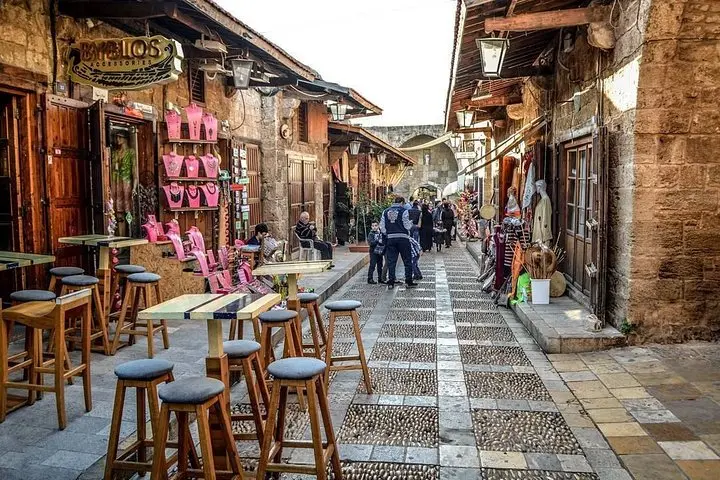
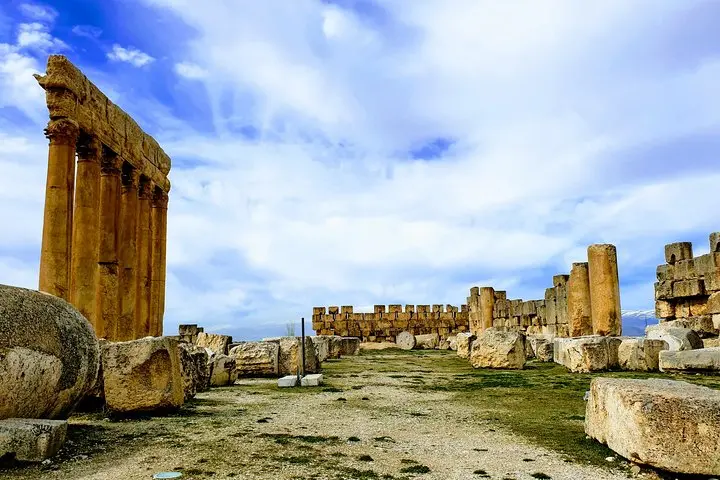
Jeita’s two caverns invite a close look: the lower grotto is explored by a short 400 m boat ride through a river-carved passage, while the upper galleries are reached by cable car and stair. Byblos presents Phoenician harbor ruins and a compact Crusader castle; the town is compact and walkable. In the mountains, stands of Lebanon cedar rise around 1,800–2,000 m, relics of forests prized across antiquity. Baalbek’s Roman temples occupy a raised plaza in the Beqaa Valley and reveal engineering on a grand human scale.
Culturally, the tour threads Christian, Islamic and Phoenician sites—churches, shrines and souks—highlighting Lebanon’s layered history. Geologically, karst processes carved Jeita; tectonic uplift shaped the Bekaa basin that holds Baalbek.
Practically: plan for multiple short walks and stairs, variable mountain weather and several 1–3 hour drives between stops. Bring layers for rapid temperature changes, sturdy walking shoes, and a refillable water bottle. Mornings are best for caves and ruins to avoid crowds and midday heat. Domestic etiquette: dress respectfully at religious sites and carry small local currency for market purchases. This private package gives time and local context—be ready to walk, look up, and let the landscape set the pace.
Yes—the tour includes round-trip airport transfers with a representative meeting you at arrivals.
Expect short, mostly easy walks: boardwalks, cave stairs, and site exploration totaling short periods of standing and walking each day.
Yes—entrance fees to the listed sites and accommodation for five nights in different cities are included in the package.
Guides typically speak English and Arabic; confirm specific language needs at booking to ensure availability.
Walking Beirut operates guided outdoor trips and adventures with an emphasis on safety, stewardship, and memorable experiences.
Landing in Beirut, the city hum hums at the edge of the Mediterranean while an attentive guide takes the wheel and the map. Over six days the itinerary unspools from seaside Byblos to the cool stone ribs of Jeita Grotto, up to the high, wind-battered Cedars and across the broad plain to the monumental columns of Baalbek.
Landing in Beirut, the city hum hums at the edge of the Mediterranean while an attentive guide takes the wheel and the map. Over six days the itinerary unspools from seaside Byblos to the cool stone ribs of Jeita Grotto, up to the high, wind-battered Cedars and across the broad plain to the monumental columns of Baalbek.
Jeita’s two caverns invite a close look: the lower grotto is explored by a short 400 m boat ride through a river-carved passage, while the upper galleries are reached by cable car and stair. Byblos presents Phoenician harbor ruins and a compact Crusader castle; the town is compact and walkable. In the mountains, stands of Lebanon cedar rise around 1,800–2,000 m, relics of forests prized across antiquity. Baalbek’s Roman temples occupy a raised plaza in the Beqaa Valley and reveal engineering on a grand human scale.
Culturally, the tour threads Christian, Islamic and Phoenician sites—churches, shrines and souks—highlighting Lebanon’s layered history. Geologically, karst processes carved Jeita; tectonic uplift shaped the Bekaa basin that holds Baalbek.
Practically: plan for multiple short walks and stairs, variable mountain weather and several 1–3 hour drives between stops. Bring layers for rapid temperature changes, sturdy walking shoes, and a refillable water bottle. Mornings are best for caves and ruins to avoid crowds and midday heat. Domestic etiquette: dress respectfully at religious sites and carry small local currency for market purchases. This private package gives time and local context—be ready to walk, look up, and let the landscape set the pace.