THE ADVENTURE COLLECTIVE® · Independent discovery and booking for outdoor travel

Drive high passes, sleep under Himalayan stars and watch Pangong Lake shift from teal to indigo. This private 6-day circuit links Leh, Nubra Valley and Pangong with cultural stops at ancient gompas and dune rides at Hunder—best for travelers who can acclimatize and want structured comfort with adventure.
Drive high passes, sleep under Himalayan stars and watch Pangong Lake shift from teal to indigo. This private 6-day circuit links Leh, Nubra Valley and Pangong with cultural stops at ancient gompas and dune rides at Hunder—best for travelers who can acclimatize and want structured comfort with adventure.
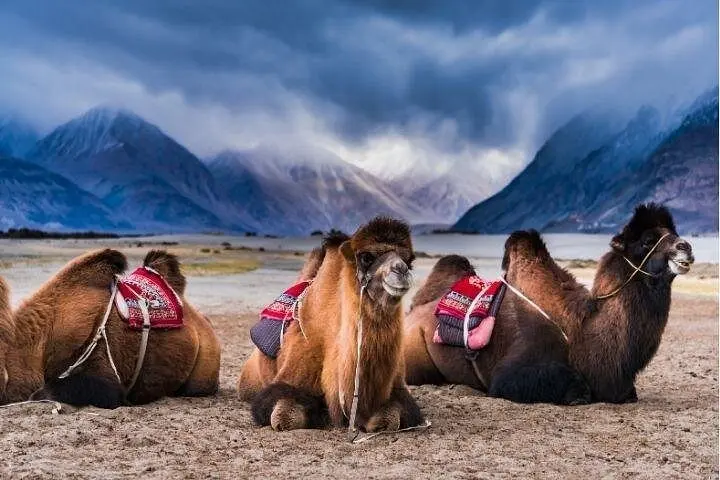
The engine hums as the road peels away from Leh and the air thins; around you, mountains lean in—bare, mineral faces punctuated by prayer flags snapping like small, stubborn banners. By the time you crest Khardung La the valley unfolds below in layers of ochre and slate, and the desert of Nubra lies like an unexpected oasis with golden dunes and a caravan of two-humped camels.
Verified experiences and guided adventures in the surrounding area.
Operated by Mountain Intelligence Treks · Leh, Ladakh
The engine hums as the road peels away from Leh and the air thins; around you, mountains lean in—bare, mineral faces punctuated by prayer flags snapping like small, stubborn banners. By the time you crest Khardung La the valley unfolds below in layers of ochre and slate, and the desert of Nubra lies like an unexpected oasis with golden dunes and a caravan of two-humped camels.
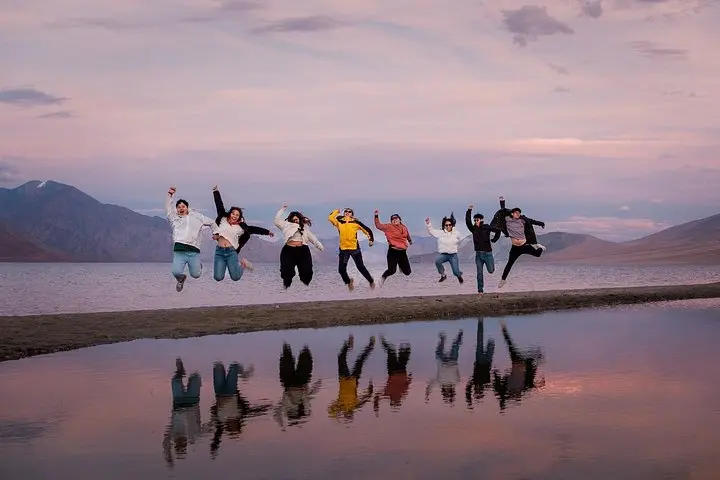
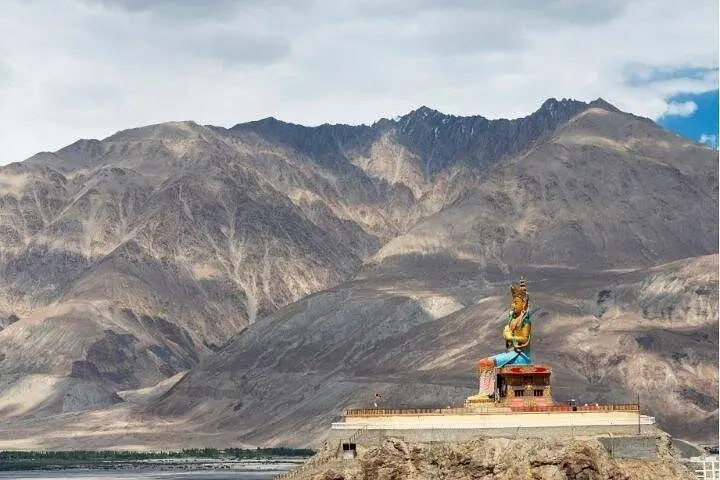
This circuit stitches together Ladakh’s history and geology: high cold deserts carved by the rain shadow of the Himalaya, Buddhist gompas—Diskit, Thiksey, Likir—guarding plateaus with statues and frescoes that trace Tibetan influence, and the confluence at Sangam where Indus and Zanskar rivers meet. Pangong Tso’s cobalt water sits at roughly 4,350 m, its color changing with light as if testing your camera’s accuracy. Local culture centers on hospitality, butter tea, and monastic ritual; Inner Line Permits and simple village economies still shape access and services.
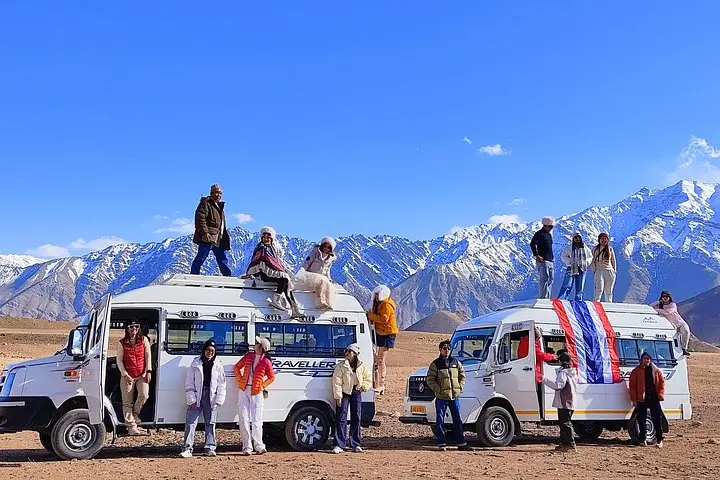
Plan practically: allow 48–72 hours for acclimatization in Leh, expect long drives on rough mountain roads, and factor for limited fuel and phone signal outside town. Pack layered clothing, sunscreen and water purification, and book a private vehicle with an experienced driver familiar with high passes.
Timing matters—summer (June–September) gives the most reliable access. Travel respectfully around monasteries, keep waste out of fragile river valleys, and move deliberately: high-altitude landscapes reward slow attention more than haste.
Yes—Indian citizens and foreigners require Inner Line Permits for many areas; the tour includes permit processing as noted in inclusions.
Altitude risk is real—symptoms vary; the itinerary includes acclimatization time in Leh, but bring medication and follow your doctor’s advice.
Yes—the tour provides hotel or resort accommodations each night as listed, typically 3-star standards in Leh and upgraded options in Nubra/Pangong.
Late June to early September offers the most reliable road access and milder weather for lakeside stays and dune activities.
Mountain Intelligence Treks operates guided outdoor trips and adventures with an emphasis on safety, stewardship, and memorable experiences.
The engine hums as the road peels away from Leh and the air thins; around you, mountains lean in—bare, mineral faces punctuated by prayer flags snapping like small, stubborn banners. By the time you crest Khardung La the valley unfolds below in layers of ochre and slate, and the desert of Nubra lies like an unexpected oasis with golden dunes and a caravan of two-humped camels.
The engine hums as the road peels away from Leh and the air thins; around you, mountains lean in—bare, mineral faces punctuated by prayer flags snapping like small, stubborn banners. By the time you crest Khardung La the valley unfolds below in layers of ochre and slate, and the desert of Nubra lies like an unexpected oasis with golden dunes and a caravan of two-humped camels.
This circuit stitches together Ladakh’s history and geology: high cold deserts carved by the rain shadow of the Himalaya, Buddhist gompas—Diskit, Thiksey, Likir—guarding plateaus with statues and frescoes that trace Tibetan influence, and the confluence at Sangam where Indus and Zanskar rivers meet. Pangong Tso’s cobalt water sits at roughly 4,350 m, its color changing with light as if testing your camera’s accuracy. Local culture centers on hospitality, butter tea, and monastic ritual; Inner Line Permits and simple village economies still shape access and services.
Plan practically: allow 48–72 hours for acclimatization in Leh, expect long drives on rough mountain roads, and factor for limited fuel and phone signal outside town. Pack layered clothing, sunscreen and water purification, and book a private vehicle with an experienced driver familiar with high passes.
Timing matters—summer (June–September) gives the most reliable access. Travel respectfully around monasteries, keep waste out of fragile river valleys, and move deliberately: high-altitude landscapes reward slow attention more than haste.