THE ADVENTURE COLLECTIVE® · Independent discovery and booking for outdoor travel

A six-day push up Kilimanjaro via the Lemosho route that balances scenic variety with acclimatization. Expect montane forest, the Shira Plateau, Lava Tower, Barranco Wall and a midnight summit to catch sunrise on Uhuru Peak.
A six-day push up Kilimanjaro via the Lemosho route that balances scenic variety with acclimatization. Expect montane forest, the Shira Plateau, Lava Tower, Barranco Wall and a midnight summit to catch sunrise on Uhuru Peak.
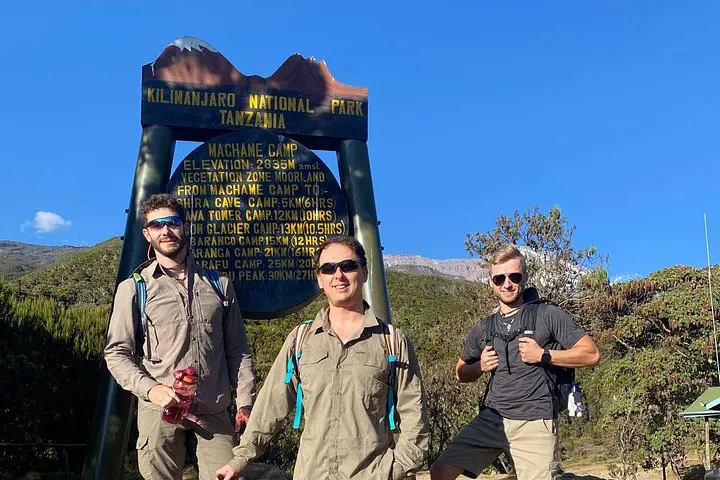
You step out of the 4x4 onto a ribbon of track that disappears into the rainforest, the air heavy with damp earth and the sharp, green smell of moss. Porters sling canvas duffels from shoulder to shoulder; voices from camp ripple through the trees. This is Lemosho Glades — the soft, low-angle opening for a six-day negotiation with Kilimanjaro’s vertical personality.
Verified experiences and guided adventures in the surrounding area.
Operated by Golden Summit Adventures · Moshi, Kilimanjaro Region
You step out of the 4x4 onto a ribbon of track that disappears into the rainforest, the air heavy with damp earth and the sharp, green smell of moss. Porters sling canvas duffels from shoulder to shoulder; voices from camp ripple through the trees. This is Lemosho Glades — the soft, low-angle opening for a six-day negotiation with Kilimanjaro’s vertical personality.
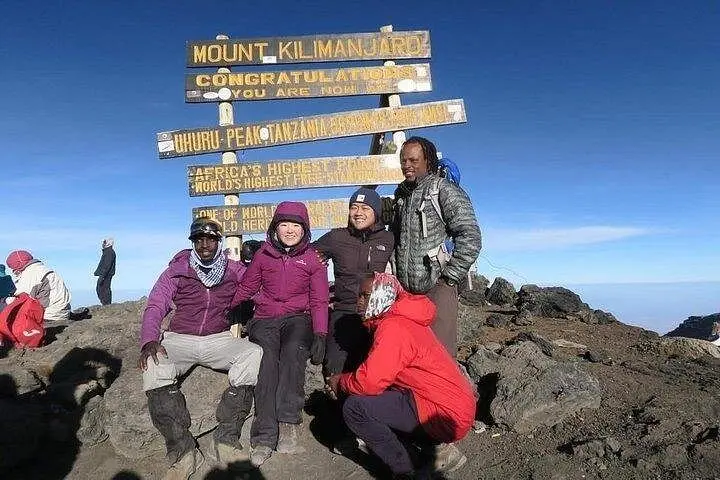
The route steals you through ecosystems like chapters. The first two days thread montane forest and giant heather before spilling onto the Shira Plateau around 3,600 m. You’ll pass the rocky remnant known as Lava Tower at 4,630 m, a hulking badge of the mountain’s volcanic past, then descend to Barranco Camp beneath the Breach Wall — a place where the sky feels close enough to touch. The narrow, exposed ridge at Barafu (just below the glaciers) is where the mountain narrows your options: acclimatize, rest, or turn back. The summit push begins around midnight; by first light you’ll be on Stella Point (5,739 m), the crater rim, and an hour later at Uhuru Peak (5,895 m).
Geology reads here like a field guide. Kilimanjaro is a stratovolcano sculpted by eruptions and glaciers; the Shira Plateau is a flattened lava shield, Lava Tower a chunk of older volcanic plug, and the scree above Barafu is the mountain’s erosion at work. Culturally, the trails cross ground once trod by Chagga farmers; Moshi, the nearest town, has long been the logistical heart for guides and porters who make summit day possible.
Practicalities matter in a place that gains nearly 3,700 m in elevation in six days. The itinerary spaces climbs to promote acclimatization — “climb high, sleep low” is the rule here. Expect 4–8 hours of hiking on most days, a summit night of 6–10 hours of steep scree climbing, and descents that are deceptively technical on tired legs.
Hydration and pacing are non-negotiable: sip small amounts frequently and use trekking poles to save knees on scree. Footwear should be stiff-soled, breathable, and already broken in. Nights are cold above 3,500 m; bring a sleeping bag rated to at least -10°C and layer to manage large temperature swings.
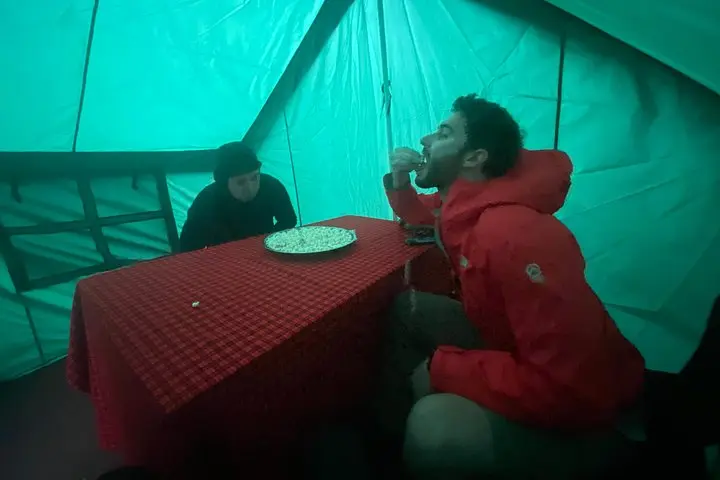
Logistics: permits for Kilimanjaro National Park are required, and experienced operators include tents, food, guides and porters. Respect porter load limits and tip fairly — porter welfare is a vital local concern. Weather can flip quickly; crampons or microspikes may be necessary if ice appears above 4,500 m.
The payoff is stark: a sunrise that pulls gold across Mawenzi’s jagged teeth and an unapologetic view from the roof of Africa. The Lemosho route rewards patience and preparation with a varied, scenic approach and a higher margin for acclimatization — and for many, a better chance of reaching Uhuru Peak and walking down with the mountain still in your lungs.
No technical climbing is required, but prior multi-day trekking and high-altitude experience improve your chance of success.
Reputable operators include Kilimanjaro National Park permits and camping fees—confirm this with your operator when booking.
Rates vary by operator and group fitness; Lemosho’s profile offers good acclimatization, but expect lower success than 7- or 8-day itineraries.
June–October and January–February generally offer the most stable weather; heavier rains occur March–May and October–December.
Yes—trips include porters who carry tents and most group gear; personal daypacks should be light (10–15 kg max recommended).
Acute mountain sickness is a real risk; monitor symptoms, communicate with guides, and follow descent protocols if severe signs appear.
Golden Summit Adventures operates guided outdoor trips and adventures with an emphasis on safety, stewardship, and memorable experiences.
You step out of the 4x4 onto a ribbon of track that disappears into the rainforest, the air heavy with damp earth and the sharp, green smell of moss. Porters sling canvas duffels from shoulder to shoulder; voices from camp ripple through the trees. This is Lemosho Glades — the soft, low-angle opening for a six-day negotiation with Kilimanjaro’s vertical personality.
You step out of the 4x4 onto a ribbon of track that disappears into the rainforest, the air heavy with damp earth and the sharp, green smell of moss. Porters sling canvas duffels from shoulder to shoulder; voices from camp ripple through the trees. This is Lemosho Glades — the soft, low-angle opening for a six-day negotiation with Kilimanjaro’s vertical personality.
The route steals you through ecosystems like chapters. The first two days thread montane forest and giant heather before spilling onto the Shira Plateau around 3,600 m. You’ll pass the rocky remnant known as Lava Tower at 4,630 m, a hulking badge of the mountain’s volcanic past, then descend to Barranco Camp beneath the Breach Wall — a place where the sky feels close enough to touch. The narrow, exposed ridge at Barafu (just below the glaciers) is where the mountain narrows your options: acclimatize, rest, or turn back. The summit push begins around midnight; by first light you’ll be on Stella Point (5,739 m), the crater rim, and an hour later at Uhuru Peak (5,895 m).
Geology reads here like a field guide. Kilimanjaro is a stratovolcano sculpted by eruptions and glaciers; the Shira Plateau is a flattened lava shield, Lava Tower a chunk of older volcanic plug, and the scree above Barafu is the mountain’s erosion at work. Culturally, the trails cross ground once trod by Chagga farmers; Moshi, the nearest town, has long been the logistical heart for guides and porters who make summit day possible.
Practicalities matter in a place that gains nearly 3,700 m in elevation in six days. The itinerary spaces climbs to promote acclimatization — “climb high, sleep low” is the rule here. Expect 4–8 hours of hiking on most days, a summit night of 6–10 hours of steep scree climbing, and descents that are deceptively technical on tired legs.
Hydration and pacing are non-negotiable: sip small amounts frequently and use trekking poles to save knees on scree. Footwear should be stiff-soled, breathable, and already broken in. Nights are cold above 3,500 m; bring a sleeping bag rated to at least -10°C and layer to manage large temperature swings.
Logistics: permits for Kilimanjaro National Park are required, and experienced operators include tents, food, guides and porters. Respect porter load limits and tip fairly — porter welfare is a vital local concern. Weather can flip quickly; crampons or microspikes may be necessary if ice appears above 4,500 m.
The payoff is stark: a sunrise that pulls gold across Mawenzi’s jagged teeth and an unapologetic view from the roof of Africa. The Lemosho route rewards patience and preparation with a varied, scenic approach and a higher margin for acclimatization — and for many, a better chance of reaching Uhuru Peak and walking down with the mountain still in your lungs.