THE ADVENTURE COLLECTIVE® · Independent discovery and booking for outdoor travel

Move from the ancient streets of Lhasa — Potala, Jokhang, Drepung and Sera — to the wind-swept shores of Namtso, the world’s highest saline lake. This six-day small-group tour blends cultural immersion with dramatic high-altitude landscapes and local nomad life.
Move from the ancient streets of Lhasa — Potala, Jokhang, Drepung and Sera — to the wind-swept shores of Namtso, the world’s highest saline lake. This six-day small-group tour blends cultural immersion with dramatic high-altitude landscapes and local nomad life.
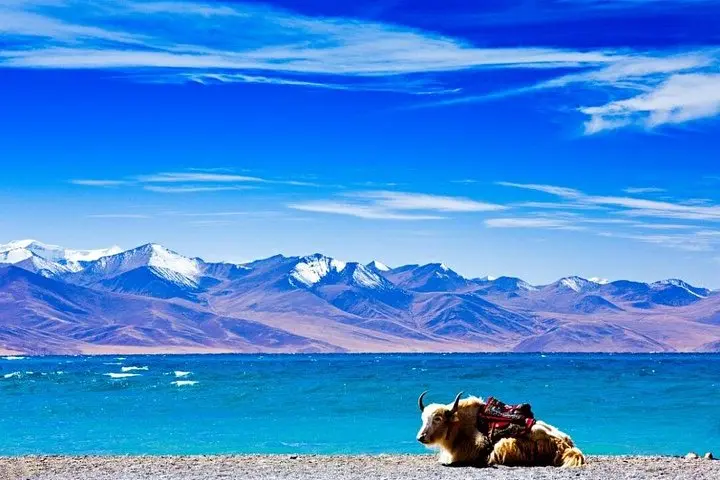
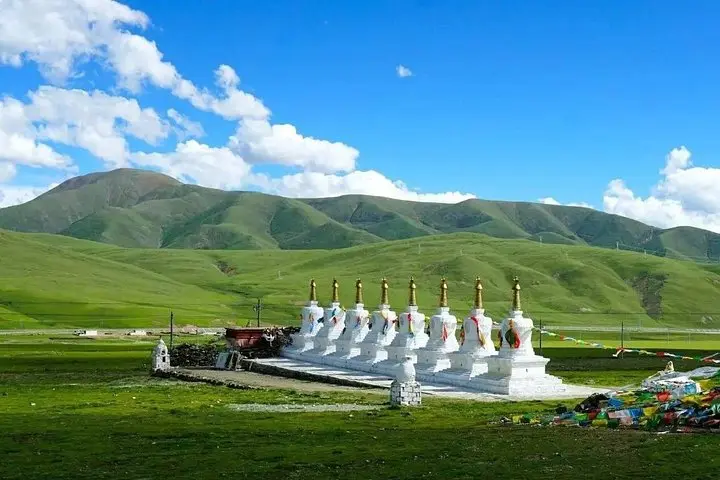
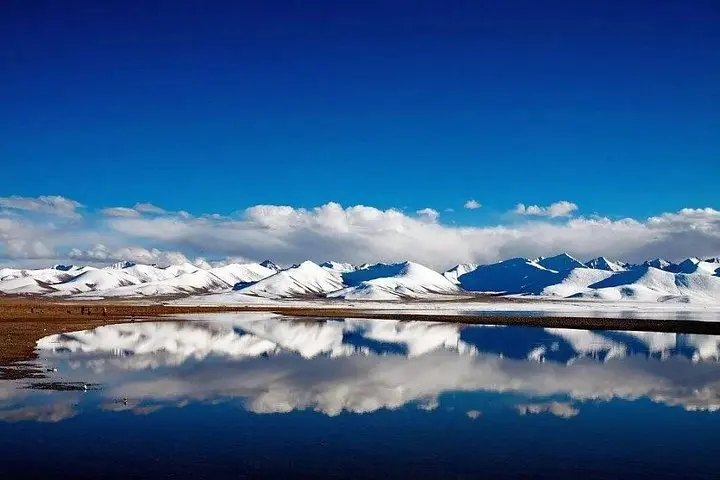
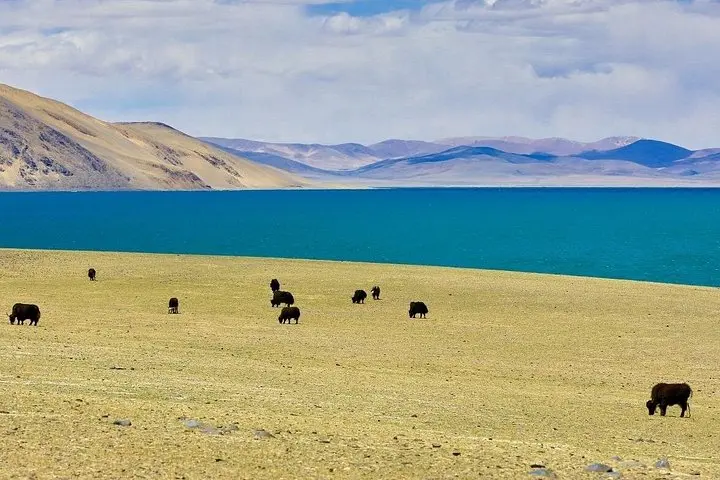
On the first morning you step out into Lhasa’s thin, bright air and the Potala Palace looms above the valley — white and red tiers cut against a high blue sky. Streets around Barkhor pulse with pilgrims turning prayer wheels; prayer flags snap on the ridgelines outside the city. Over six days this small-group route trades city shrines and monastic debate for the wide silence of Namtso, the world’s highest saline lake, with Nyenchen Thanglha’s snow domes keeping watch.
Verified experiences and guided adventures in the surrounding area.
Operated by Samtour of Chengdu OTC Travel · Lhasa, Tibet Autonomous Region
On the first morning you step out into Lhasa’s thin, bright air and the Potala Palace looms above the valley — white and red tiers cut against a high blue sky. Streets around Barkhor pulse with pilgrims turning prayer wheels; prayer flags snap on the ridgelines outside the city. Over six days this small-group route trades city shrines and monastic debate for the wide silence of Namtso, the world’s highest saline lake, with Nyenchen Thanglha’s snow domes keeping watch.
Lhasa sits at roughly 3,700 m (12,140 ft), a place shaped by Tibetan Buddhism and centuries of imperial rule. Potala and Jokhang show art and architecture from the 7th century onward; Drepung and Sera reflect the Gelug scholarly tradition, where debate and ritual mark the day. Geologically, the plateau is young and uplifted; Namtso occupies a high-basin depression ringed by glacial-carved peaks and windswept grasslands where nomads tend yaks and sheep.
Practically: plan three full days in Lhasa for acclimatization and temple permits; expect long drives to Namtso (roughly 300 km round trip from Lhasa) on rough, high-elevation roads. Temperatures swing fast—sun feels hot, nights drop below freezing at altitude. Guides handle Tibet permits and local logistics, and oxygen is provided on excursions beyond the city.
Bring layered clothing, sun protection, and drink frequently to offset altitude. Respect monasteries: remove hats, walk clockwise around sacred circuits, and ask before photographing worshippers. For travelers after culture and wide-open highland scenery, this itinerary balances city immersion with the elemental drama of Tibet’s holy lake and prairie.
Yes—travel to Tibet requires a Tibet Travel Permit; the tour operator arranges it after you provide passport and Chinese visa details at booking.
Symptoms range from mild headaches to shortness of breath; spending the first day resting in Lhasa and hydrating reduces risk. Operators often carry oxygen for excursions.
The itinerary includes 5 nights’ accommodation, most breakfasts and one listed dinner; specifics depend on tour class (typically 3-star in Lhasa).
Yes—providers can often arrange extra nights in Lhasa, upgrades to higher-category hotels, or transport bookings if requested well in advance.
Samtour of Chengdu OTC Travel operates guided outdoor trips and adventures with an emphasis on safety, stewardship, and memorable experiences.
On the first morning you step out into Lhasa’s thin, bright air and the Potala Palace looms above the valley — white and red tiers cut against a high blue sky. Streets around Barkhor pulse with pilgrims turning prayer wheels; prayer flags snap on the ridgelines outside the city. Over six days this small-group route trades city shrines and monastic debate for the wide silence of Namtso, the world’s highest saline lake, with Nyenchen Thanglha’s snow domes keeping watch.
On the first morning you step out into Lhasa’s thin, bright air and the Potala Palace looms above the valley — white and red tiers cut against a high blue sky. Streets around Barkhor pulse with pilgrims turning prayer wheels; prayer flags snap on the ridgelines outside the city. Over six days this small-group route trades city shrines and monastic debate for the wide silence of Namtso, the world’s highest saline lake, with Nyenchen Thanglha’s snow domes keeping watch.
Lhasa sits at roughly 3,700 m (12,140 ft), a place shaped by Tibetan Buddhism and centuries of imperial rule. Potala and Jokhang show art and architecture from the 7th century onward; Drepung and Sera reflect the Gelug scholarly tradition, where debate and ritual mark the day. Geologically, the plateau is young and uplifted; Namtso occupies a high-basin depression ringed by glacial-carved peaks and windswept grasslands where nomads tend yaks and sheep.
Practically: plan three full days in Lhasa for acclimatization and temple permits; expect long drives to Namtso (roughly 300 km round trip from Lhasa) on rough, high-elevation roads. Temperatures swing fast—sun feels hot, nights drop below freezing at altitude. Guides handle Tibet permits and local logistics, and oxygen is provided on excursions beyond the city.
Bring layered clothing, sun protection, and drink frequently to offset altitude. Respect monasteries: remove hats, walk clockwise around sacred circuits, and ask before photographing worshippers. For travelers after culture and wide-open highland scenery, this itinerary balances city immersion with the elemental drama of Tibet’s holy lake and prairie.