THE ADVENTURE COLLECTIVE® · Independent discovery and booking for outdoor travel

Ride three of Greece’s most scenic little trains across Pelion, Vouraikos Canyon and Katakolon while visiting Olympia, Delphi and Meteora. This six-day route pairs cinematic rail journeys with ancient sites and dramatic geology.
Ride three of Greece’s most scenic little trains across Pelion, Vouraikos Canyon and Katakolon while visiting Olympia, Delphi and Meteora. This six-day route pairs cinematic rail journeys with ancient sites and dramatic geology.
You step onto a platform where smoke and steel have been part of the landscape for generations — a patchwork of seaside harbors, canyon gorges and skyward rocks waits ahead. The Little Train of Pelion winds through verdant slopes, the cog railway climbs Vouraikos Canyon with water daring you along its cliffs, and the Katakolon line eases into a sunlit harbor where the Ionian laps at old stones.
Verified experiences and guided adventures in the surrounding area.
Operated by Private Tours Greece · Athens, Attica
You step onto a platform where smoke and steel have been part of the landscape for generations — a patchwork of seaside harbors, canyon gorges and skyward rocks waits ahead. The Little Train of Pelion winds through verdant slopes, the cog railway climbs Vouraikos Canyon with water daring you along its cliffs, and the Katakolon line eases into a sunlit harbor where the Ionian laps at old stones.
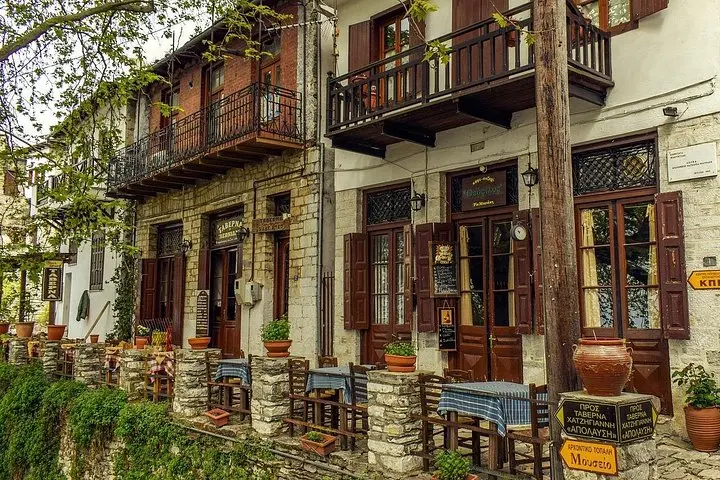
This route stitches together millennia: Olympia’s stoa and stadium where the first Olympic Games were held in 776 BC, Mycenae’s Lion Gate from the Bronze Age, Delphi’s oracle carved into the Parnassus slopes, and Meteora’s monasteries perched on Jurassic sandstone pillars formed by ancient river sediments and tectonic lift. Local culture switches as often as the scenery — Pelion’s stone-built villages keep mountain shepherding and woodcraft alive, while seaside towns preserve fisheries and Byzantine-era fortifications.
Expect a travel rhythm of short walks, train rides and guided stops; the trains are scenic experiences in themselves more than high-speed transfers. Practicalities matter: some little-train services run only on weekends or seasonally, timetables change, and several sites involve stairs and uneven ancient paving. Carry a daypack with water, sun protection and layers; allow extra time for museum visits and optional local guides in Delphi, Mycenae and Meteora.
By the last ride back toward Athens you’ll have logged coastal views, canyon tunnels, stone monasteries and olive groves — a compact, transportive survey of Greece’s geological drama and layered history, best enjoyed with patience, sensible footwear and a readiness to let the landscape set the pace.
Train tickets for the cog railway and little trains are included in the tour, but service on some lines is seasonal — the operator confirms exact timetables before departure.
Most stops involve short walks and stairs; Meteora and Palamidi castle include steep sections, but there are no technical hikes required.
Drivers offer general information and local recommendations but are not licensed guides; hiring site-specific guides is recommended for deeper interpretation.
Yes—logistics are arranged for mixed ages and fitness; inform the operator of mobility needs and infant seats are available if needed.
Private Tours Greece operates guided outdoor trips and adventures with an emphasis on safety, stewardship, and memorable experiences.
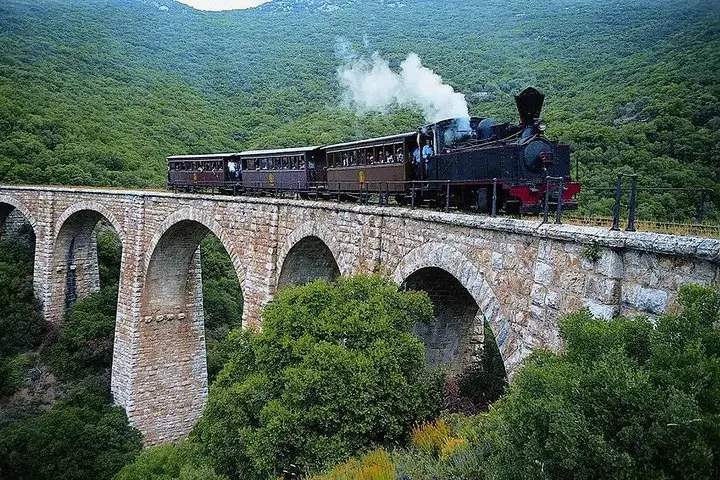
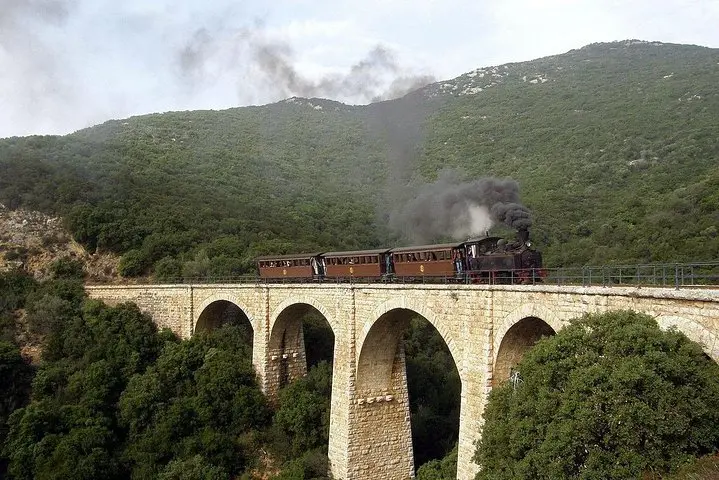
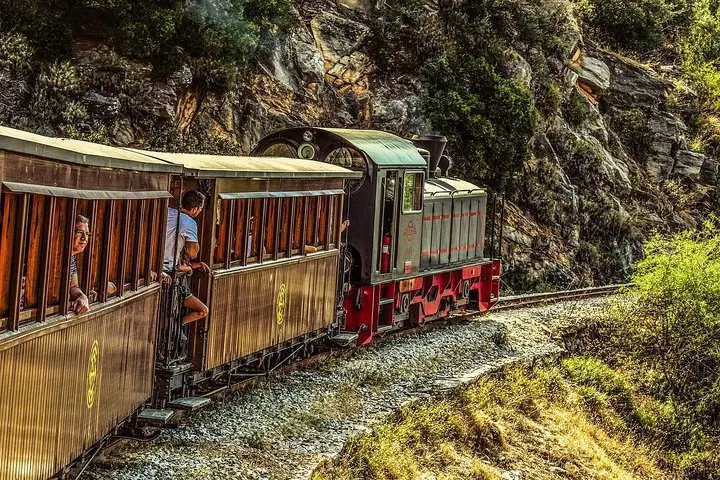
You step onto a platform where smoke and steel have been part of the landscape for generations — a patchwork of seaside harbors, canyon gorges and skyward rocks waits ahead. The Little Train of Pelion winds through verdant slopes, the cog railway climbs Vouraikos Canyon with water daring you along its cliffs, and the Katakolon line eases into a sunlit harbor where the Ionian laps at old stones.
You step onto a platform where smoke and steel have been part of the landscape for generations — a patchwork of seaside harbors, canyon gorges and skyward rocks waits ahead. The Little Train of Pelion winds through verdant slopes, the cog railway climbs Vouraikos Canyon with water daring you along its cliffs, and the Katakolon line eases into a sunlit harbor where the Ionian laps at old stones.
This route stitches together millennia: Olympia’s stoa and stadium where the first Olympic Games were held in 776 BC, Mycenae’s Lion Gate from the Bronze Age, Delphi’s oracle carved into the Parnassus slopes, and Meteora’s monasteries perched on Jurassic sandstone pillars formed by ancient river sediments and tectonic lift. Local culture switches as often as the scenery — Pelion’s stone-built villages keep mountain shepherding and woodcraft alive, while seaside towns preserve fisheries and Byzantine-era fortifications.
Expect a travel rhythm of short walks, train rides and guided stops; the trains are scenic experiences in themselves more than high-speed transfers. Practicalities matter: some little-train services run only on weekends or seasonally, timetables change, and several sites involve stairs and uneven ancient paving. Carry a daypack with water, sun protection and layers; allow extra time for museum visits and optional local guides in Delphi, Mycenae and Meteora.
By the last ride back toward Athens you’ll have logged coastal views, canyon tunnels, stone monasteries and olive groves — a compact, transportive survey of Greece’s geological drama and layered history, best enjoyed with patience, sensible footwear and a readiness to let the landscape set the pace.