THE ADVENTURE COLLECTIVE® · Independent discovery and booking for outdoor travel
Steep rainforest steps give way to alpine desert on the Machame Route, a six-day climb that tests your lungs and rewards you with panoramic views and a hard-won summit. Read on for terrain details, altitude tips and what to pack for Uhuru Peak.
Steep rainforest steps give way to alpine desert on the Machame Route, a six-day climb that tests your lungs and rewards you with panoramic views and a hard-won summit. Read on for terrain details, altitude tips and what to pack for Uhuru Peak.
The day begins in a coffee-scented town below the mountain and ends where the air is so thin the world feels quieter. From Machame Gate you step into a living wall of rainforest—bamboo stalks brush your shoulders, colobus monkeys watch from the canopy—and the trail immediately starts climbing. Over six days the landscape changes like scenes in a film: dense forest gives way to heather and moorland, then broad volcanic plateaus, a knife-edge alpine desert, and finally the icy rim of Kibo where the summit, Uhuru Peak (5,895 m), waits.
Verified experiences and guided adventures in the surrounding area.
Operated by Debby Adventure · Moshi, Kilimanjaro Region
The day begins in a coffee-scented town below the mountain and ends where the air is so thin the world feels quieter. From Machame Gate you step into a living wall of rainforest—bamboo stalks brush your shoulders, colobus monkeys watch from the canopy—and the trail immediately starts climbing. Over six days the landscape changes like scenes in a film: dense forest gives way to heather and moorland, then broad volcanic plateaus, a knife-edge alpine desert, and finally the icy rim of Kibo where the summit, Uhuru Peak (5,895 m), waits.
Machame is called the Whiskey Route for its reputation: steep, demanding, and deeply satisfying. Geologically Kilimanjaro is a three-peaked stratovolcano—Shira, Mawenzi and Kibo—with Machame threading the southern and southwestern flanks to approach Kibo’s eastern saddle. Hikers pass the Shira Plateau (roughly 3,500 m), skirt the jagged Barranco Wall, and climb past the lava-scarred approach under the Heim and Kersten glaciers. Culturally the massif sits above the Chagga farmlands around Moshi; porters and guides, many from local villages, carry both gear and the oral knowledge of the mountain’s moods.
Expect roughly 4,100 m (13,450 ft) of elevation gain from Machame Gate (≈1,800 m) to Uhuru Peak, spread over 40–60 km depending on exact camp sites and side treks. Typical daily stages include a steep rainforest ascent to Machame Camp, a high-crossing to Shira Plateau, the afternoon climb toward Lava Tower for acclimatization, the technical scramble of Barranco Wall, and a long push from Barafu Camp (≈4,600 m) to summit in a pre-dawn ascent.
Practical reality: altitude, not distance, is the challenge. Hydration, pacing and a sensible itinerary are what get climbers to the top. Aim to move slowly, drink frequently, and sleep higher and walk lower when possible. Good boots with solid ankle support, layered insulation for sub-zero summit nights, and a functioning headlamp for the summit bid are non-negotiable. Porters handle your main bag; limit your daypack to essentials to protect the crew and keep your center of gravity steady.
Logistics are straightforward: most climbers use Moshi as a base for gear, briefings and final supplies, and organized operators handle permits and camps. Weather can flip fast—sun warms the plateau at midday, wind scours the summit ridge by night—so plan for sun, cold and rocky footing. When you stand on Uhuru, the effort is visible in every crater ridge and receding glacier; the satisfaction is immediate and quietly enormous.
Yes—permits are required and are typically managed by your operator; they cover park fees and rescue services.
Dry seasons—January–March and June–October—offer the most stable weather and clearer summit views.
Summit day is long rather than technically steep: expect 6–10 hours round trip from Barafu Camp, with sustained effort at high altitude in cold conditions.
Fit beginners can attempt it with a guided operator, extra acclimatization days, and strict pacing; underlying health and altitude tolerance vary.
Camps have basic pit or tent toilets; operators promote strict pack-out policies and hygiene to limit environmental impact.
Yes—tipping is customary and compensates the crew for arduous work; operators can advise suggested amounts.
Debby Adventure operates guided outdoor trips and adventures with an emphasis on safety, stewardship, and memorable experiences.
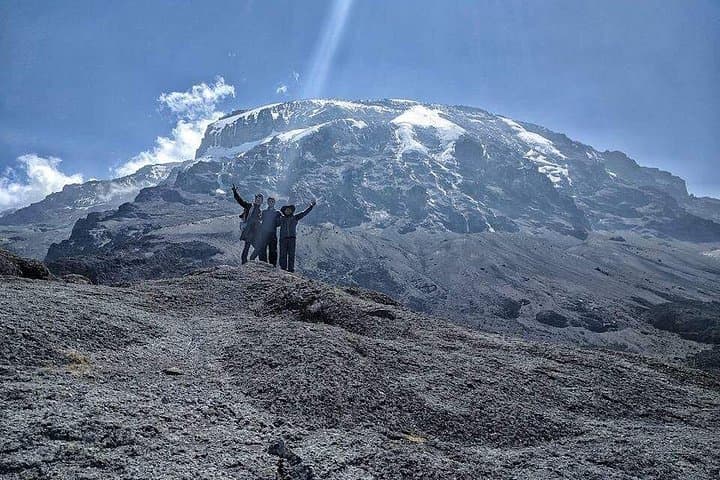
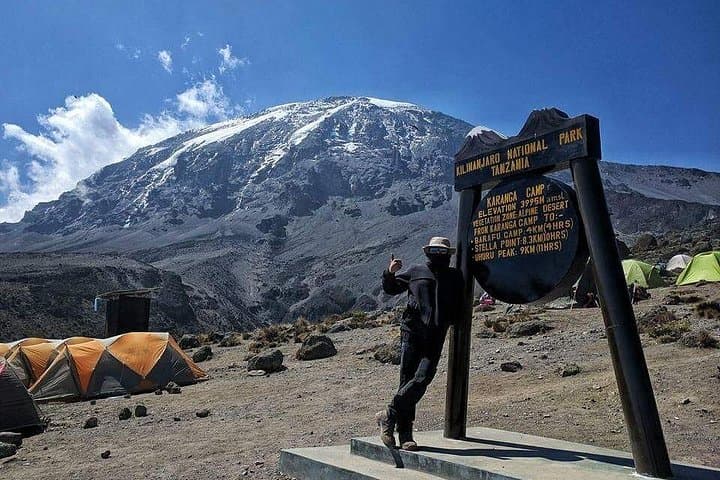
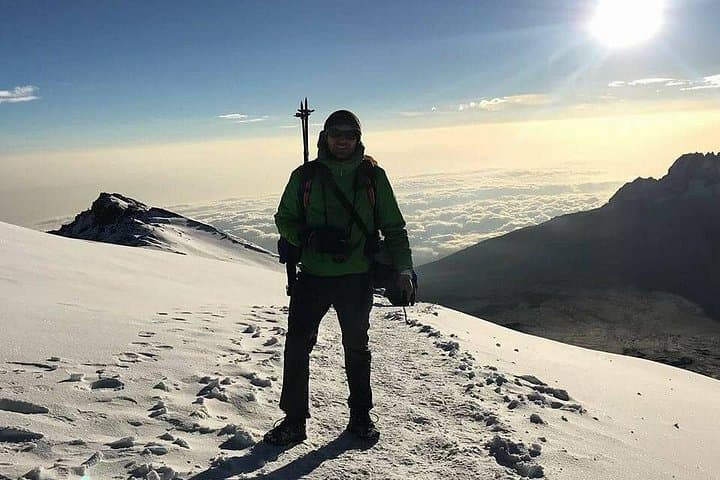
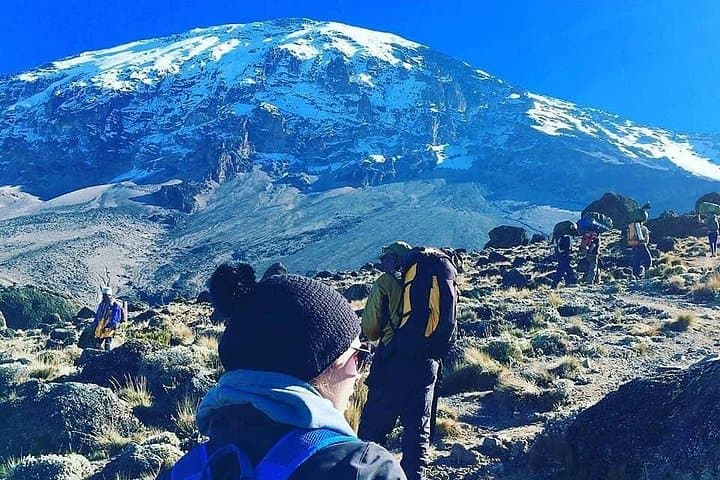
The day begins in a coffee-scented town below the mountain and ends where the air is so thin the world feels quieter. From Machame Gate you step into a living wall of rainforest—bamboo stalks brush your shoulders, colobus monkeys watch from the canopy—and the trail immediately starts climbing. Over six days the landscape changes like scenes in a film: dense forest gives way to heather and moorland, then broad volcanic plateaus, a knife-edge alpine desert, and finally the icy rim of Kibo where the summit, Uhuru Peak (5,895 m), waits.
The day begins in a coffee-scented town below the mountain and ends where the air is so thin the world feels quieter. From Machame Gate you step into a living wall of rainforest—bamboo stalks brush your shoulders, colobus monkeys watch from the canopy—and the trail immediately starts climbing. Over six days the landscape changes like scenes in a film: dense forest gives way to heather and moorland, then broad volcanic plateaus, a knife-edge alpine desert, and finally the icy rim of Kibo where the summit, Uhuru Peak (5,895 m), waits.
Machame is called the Whiskey Route for its reputation: steep, demanding, and deeply satisfying. Geologically Kilimanjaro is a three-peaked stratovolcano—Shira, Mawenzi and Kibo—with Machame threading the southern and southwestern flanks to approach Kibo’s eastern saddle. Hikers pass the Shira Plateau (roughly 3,500 m), skirt the jagged Barranco Wall, and climb past the lava-scarred approach under the Heim and Kersten glaciers. Culturally the massif sits above the Chagga farmlands around Moshi; porters and guides, many from local villages, carry both gear and the oral knowledge of the mountain’s moods.
Expect roughly 4,100 m (13,450 ft) of elevation gain from Machame Gate (≈1,800 m) to Uhuru Peak, spread over 40–60 km depending on exact camp sites and side treks. Typical daily stages include a steep rainforest ascent to Machame Camp, a high-crossing to Shira Plateau, the afternoon climb toward Lava Tower for acclimatization, the technical scramble of Barranco Wall, and a long push from Barafu Camp (≈4,600 m) to summit in a pre-dawn ascent.
Practical reality: altitude, not distance, is the challenge. Hydration, pacing and a sensible itinerary are what get climbers to the top. Aim to move slowly, drink frequently, and sleep higher and walk lower when possible. Good boots with solid ankle support, layered insulation for sub-zero summit nights, and a functioning headlamp for the summit bid are non-negotiable. Porters handle your main bag; limit your daypack to essentials to protect the crew and keep your center of gravity steady.
Logistics are straightforward: most climbers use Moshi as a base for gear, briefings and final supplies, and organized operators handle permits and camps. Weather can flip fast—sun warms the plateau at midday, wind scours the summit ridge by night—so plan for sun, cold and rocky footing. When you stand on Uhuru, the effort is visible in every crater ridge and receding glacier; the satisfaction is immediate and quietly enormous.
