THE ADVENTURE COLLECTIVE® · Independent discovery and booking for outdoor travel

A six-day ascent of Kilimanjaro via the Machame Route—steeper and more scenic than the hut-lined Marangu route—blends rainforest and alpine desert with a late-night summit push to Uhuru Peak. Read on for route highlights, local context, and practical tips to maximize your summit chances.
A six-day ascent of Kilimanjaro via the Machame Route—steeper and more scenic than the hut-lined Marangu route—blends rainforest and alpine desert with a late-night summit push to Uhuru Peak. Read on for route highlights, local context, and practical tips to maximize your summit chances.
The night begins before midnight, with headlamps and the low hum of guides arranging ropes and crampons. You step off into an inky trail, a ribbon of light threading through a landscape that changes every hour—from dripping tropical forest to heather scrub, then wind-scoured alpine desert, and finally a rim of rock and ice where Uhuru Peak waits.
Verified experiences and guided adventures in the surrounding area.
Operated by TaraLight Safari Tours · Moshi, Kilimanjaro Region
The night begins before midnight, with headlamps and the low hum of guides arranging ropes and crampons. You step off into an inky trail, a ribbon of light threading through a landscape that changes every hour—from dripping tropical forest to heather scrub, then wind-scoured alpine desert, and finally a rim of rock and ice where Uhuru Peak waits.
The Machame route, nicknamed the “Whiskey Route” for its tougher, wilder profile, is designed for people who want scenery and a serious climb. Across six days you’ll move deliberately upward: sleep in tents, share meals under high skies, and use slow itineraries and built-in acclimatization to tilt the odds in your favor for summit night. The route threads Shira Plateau and the Lava Tower, negotiates the exposed Barranco Wall, and finishes on the knife-edge of Barafu where climbers begin their push to Uhuru Peak well after midnight.
Geologically Kilimanjaro is a stratovolcano—a stack of eruptions, long dormancy, and a volcanic plug at Lava Tower. The mountain’s three peaks—Kibo, Mawenzi, and Shira—tell a volcanic story that predates human settlement here. Culturally the plains below belong to the Chagga people, who have farmed these slopes for generations and now provide the backbone of guiding and porter services. Expect warm, direct hospitality and a local economy shaped by the flow of climbers.
Wildlife retreats as elevation rises, but keep an eye for blue monkeys and colobus in the forest, and giant senecios and lobelias in moorland. Camps are basic but functional: tents, shared mess tents, and hot drinks provided by your crew. The climb’s rhythm is slow and steady—short walking days at first, long, cold summit bids at the end.
Practical guidance: train on long uphill walks carrying a loaded daypack, practice hiking at night if possible, and build aerobic base for the summit push. Hydration, layered clothing, and a solid, broken-in pair of mountain boots matter more than a new ultralight jacket. The itinerary includes daily meals, porters, and transfers to and from Arusha; tipping the crew is customary and supports local livelihoods.
Timing is crucial—aim for the dry windows (January–March or June–October) to reduce rain and cloud on summit night. Acclimatization is the single most important factor in success; choose the Machame schedule over shorter options if summit probability matters. If altitude symptoms appear, communicate immediately with your guide; descent is the only definitive treatment.
By sunrise on Uhuru you’ll stand above an African horizon, glacier-blue rime fracturing in thin air beneath. It’s an earned silence: the wind, the view, and the knowledge that every step up Kilimanjaro required planning, humility, and patience.
Success varies with season and fitness; Machame typically has higher success than faster routes—expect around 50–70% depending on acclimatization.
No technical climbing is required, but prior multi-day hiking and high-altitude experience improve comfort and summit chances.
Dry periods (January–March and June–October) offer the most stable weather and clearer summit conditions.
Basic pit or portable toilets are provided at camps; standards vary, so bring hand sanitizer and toilet paper.
Tipping is customary; a general guideline is 10–15% of trip cost divided among team members, adjusted for service and group size.
Guides are trained to recognize symptoms; treatment often involves stopping ascent, supplemental oxygen if available, and descent if symptoms persist.
TaraLight Safari Tours operates guided outdoor trips and adventures with an emphasis on safety, stewardship, and memorable experiences.
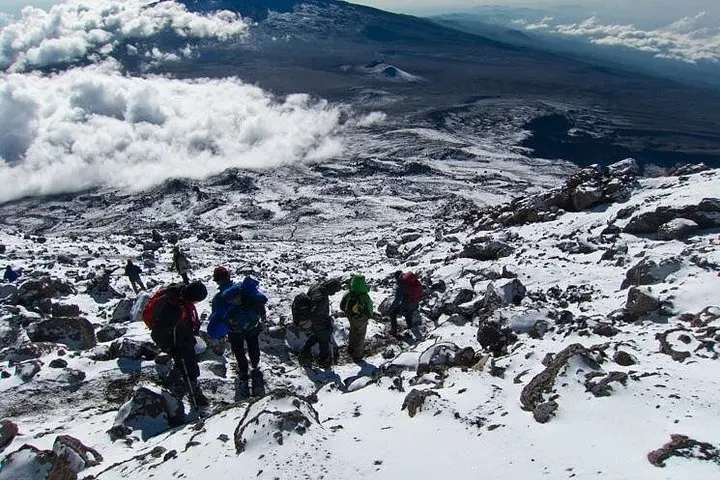
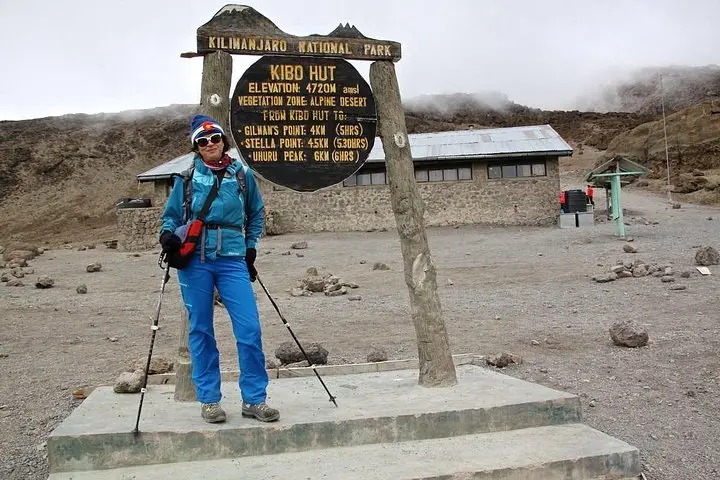
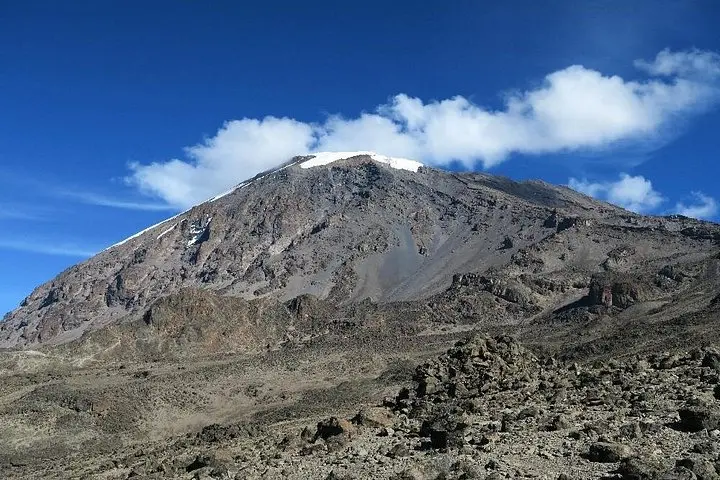
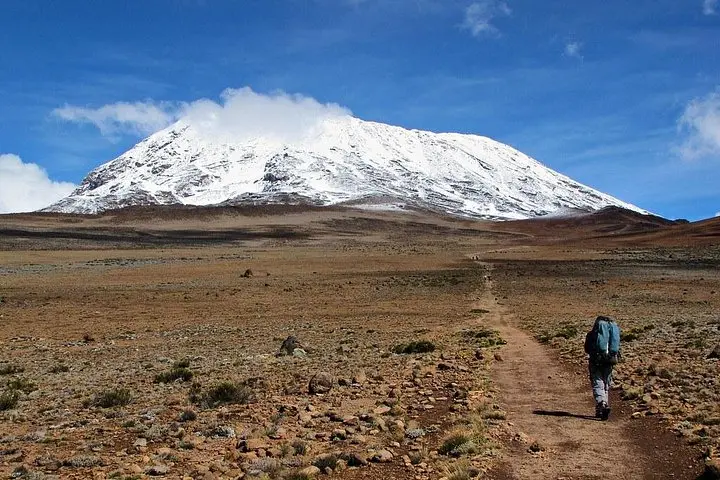
The night begins before midnight, with headlamps and the low hum of guides arranging ropes and crampons. You step off into an inky trail, a ribbon of light threading through a landscape that changes every hour—from dripping tropical forest to heather scrub, then wind-scoured alpine desert, and finally a rim of rock and ice where Uhuru Peak waits.
The night begins before midnight, with headlamps and the low hum of guides arranging ropes and crampons. You step off into an inky trail, a ribbon of light threading through a landscape that changes every hour—from dripping tropical forest to heather scrub, then wind-scoured alpine desert, and finally a rim of rock and ice where Uhuru Peak waits.
The Machame route, nicknamed the “Whiskey Route” for its tougher, wilder profile, is designed for people who want scenery and a serious climb. Across six days you’ll move deliberately upward: sleep in tents, share meals under high skies, and use slow itineraries and built-in acclimatization to tilt the odds in your favor for summit night. The route threads Shira Plateau and the Lava Tower, negotiates the exposed Barranco Wall, and finishes on the knife-edge of Barafu where climbers begin their push to Uhuru Peak well after midnight.
Geologically Kilimanjaro is a stratovolcano—a stack of eruptions, long dormancy, and a volcanic plug at Lava Tower. The mountain’s three peaks—Kibo, Mawenzi, and Shira—tell a volcanic story that predates human settlement here. Culturally the plains below belong to the Chagga people, who have farmed these slopes for generations and now provide the backbone of guiding and porter services. Expect warm, direct hospitality and a local economy shaped by the flow of climbers.
Wildlife retreats as elevation rises, but keep an eye for blue monkeys and colobus in the forest, and giant senecios and lobelias in moorland. Camps are basic but functional: tents, shared mess tents, and hot drinks provided by your crew. The climb’s rhythm is slow and steady—short walking days at first, long, cold summit bids at the end.
Practical guidance: train on long uphill walks carrying a loaded daypack, practice hiking at night if possible, and build aerobic base for the summit push. Hydration, layered clothing, and a solid, broken-in pair of mountain boots matter more than a new ultralight jacket. The itinerary includes daily meals, porters, and transfers to and from Arusha; tipping the crew is customary and supports local livelihoods.
Timing is crucial—aim for the dry windows (January–March or June–October) to reduce rain and cloud on summit night. Acclimatization is the single most important factor in success; choose the Machame schedule over shorter options if summit probability matters. If altitude symptoms appear, communicate immediately with your guide; descent is the only definitive treatment.
By sunrise on Uhuru you’ll stand above an African horizon, glacier-blue rime fracturing in thin air beneath. It’s an earned silence: the wind, the view, and the knowledge that every step up Kilimanjaro required planning, humility, and patience.