THE ADVENTURE COLLECTIVE® · Independent discovery and booking for outdoor travel

Trek the Machame Route over six days to reach Uhuru Peak—Kilimanjaro’s summit. This route balances scenic diversity with staged acclimatization to boost summit success.
Trek the Machame Route over six days to reach Uhuru Peak—Kilimanjaro’s summit. This route balances scenic diversity with staged acclimatization to boost summit success.
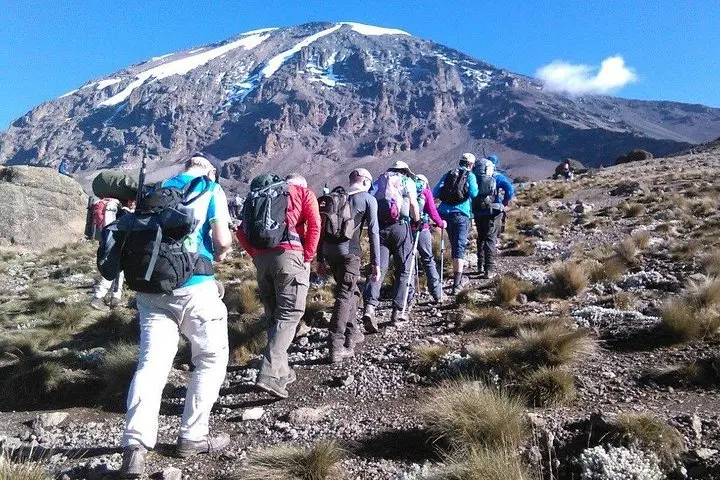
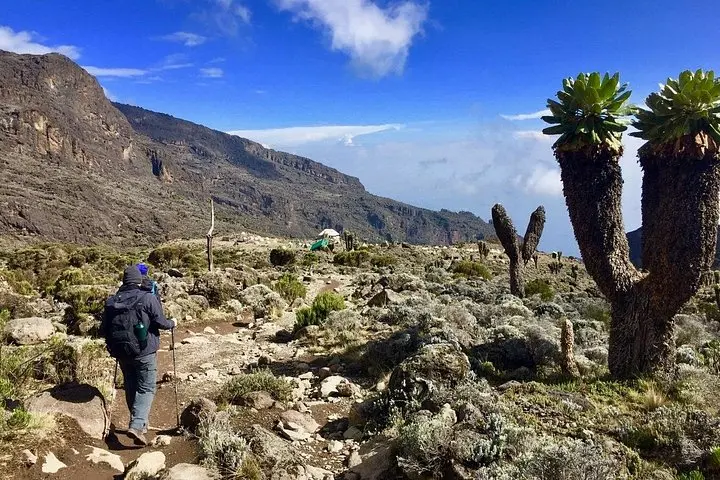
Dawn in Moshi smells of roasting coffee and diesel as vans wind toward the Machame Gate, where porters check permits and the forest waits like a living wall. The trail drops into rainforest at first, cloaking hikers in ferns and drumming tree frogs, then opens onto moorland and the flat expanse of the Shira Plateau. Higher still, the mountain sheds its green coat for scree and volcanic ash; the summit’s glaciers glare white against a cobalt sky.
Verified experiences and guided adventures in the surrounding area.
Operated by MORAKA AFRICA SAFARIS · Moshi, Kilimanjaro Region
Dawn in Moshi smells of roasting coffee and diesel as vans wind toward the Machame Gate, where porters check permits and the forest waits like a living wall. The trail drops into rainforest at first, cloaking hikers in ferns and drumming tree frogs, then opens onto moorland and the flat expanse of the Shira Plateau. Higher still, the mountain sheds its green coat for scree and volcanic ash; the summit’s glaciers glare white against a cobalt sky.
Kilimanjaro is a freestanding stratovolcano shaped by long volcanic activity; its glaciers are remnants of Pleistocene ice now retreating. The Chagga people have lived on its lower slopes for centuries, cultivating coffee and telling routes of mountain spirits. The Machame Route—called the Whisky Route—was developed for gradual acclimatization, threading ridges, gorges and the impressive Barranco Wall before joining Barafu for summit night.
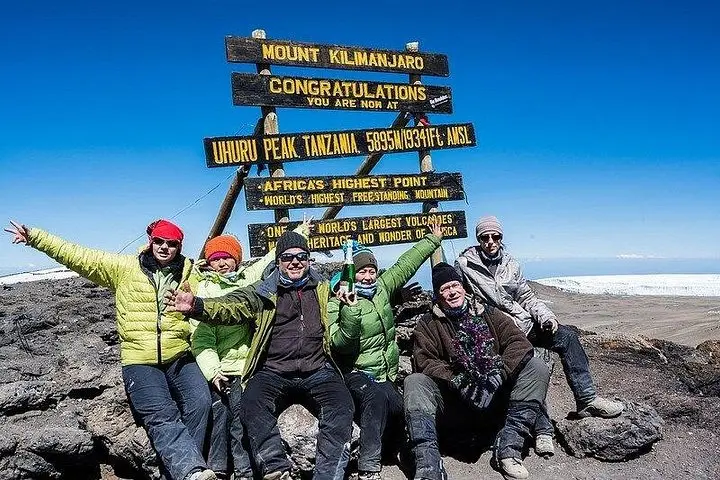
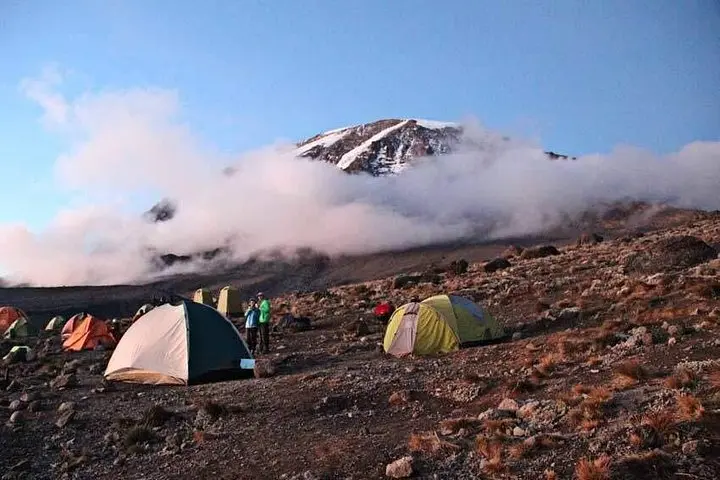
Expect varied terrain: muddy rainforest tracks, eroded rocky ridges, alpine desert and loose volcanic scree approaching Stella Point and Uhuru Peak at 5,895 m. Camps are basic, often enclosed tents with communal meals prepared by crew. Summit night is an endurance push—start between midnight and 2 a.m., move one step at a time, and be ready for sub-zero wind and snow near the crater rim.
Practical notes: train on hills and long hikes with weight, bring layered insulation, gaiters and trekking poles, and plan for 5–8 hours on summit day with long descents afterward. Respect park rules, follow your guide’s pace for acclimatization, and pack out what you pack in—glacial retreat and trail erosion make careful stewardship part of the climb.
No technical climbing skills are required, but prior high-altitude trekking experience and good fitness significantly increase your chances of summiting.
Acute mountain sickness is common; the Machame Route’s acclimatization profile helps, but monitor symptoms and descend if they worsen.
Camping tents provided by the operator, communal meals prepared by crew—expect hot breakfasts, lunch and dinner tailored to fuel long days.
Dry months (June–October and January–February) offer the most stable weather and higher success rates, though climbs happen year-round.
MORAKA AFRICA SAFARIS operates guided outdoor trips and adventures with an emphasis on safety, stewardship, and memorable experiences.
Dawn in Moshi smells of roasting coffee and diesel as vans wind toward the Machame Gate, where porters check permits and the forest waits like a living wall. The trail drops into rainforest at first, cloaking hikers in ferns and drumming tree frogs, then opens onto moorland and the flat expanse of the Shira Plateau. Higher still, the mountain sheds its green coat for scree and volcanic ash; the summit’s glaciers glare white against a cobalt sky.
Dawn in Moshi smells of roasting coffee and diesel as vans wind toward the Machame Gate, where porters check permits and the forest waits like a living wall. The trail drops into rainforest at first, cloaking hikers in ferns and drumming tree frogs, then opens onto moorland and the flat expanse of the Shira Plateau. Higher still, the mountain sheds its green coat for scree and volcanic ash; the summit’s glaciers glare white against a cobalt sky.
Kilimanjaro is a freestanding stratovolcano shaped by long volcanic activity; its glaciers are remnants of Pleistocene ice now retreating. The Chagga people have lived on its lower slopes for centuries, cultivating coffee and telling routes of mountain spirits. The Machame Route—called the Whisky Route—was developed for gradual acclimatization, threading ridges, gorges and the impressive Barranco Wall before joining Barafu for summit night.
Expect varied terrain: muddy rainforest tracks, eroded rocky ridges, alpine desert and loose volcanic scree approaching Stella Point and Uhuru Peak at 5,895 m. Camps are basic, often enclosed tents with communal meals prepared by crew. Summit night is an endurance push—start between midnight and 2 a.m., move one step at a time, and be ready for sub-zero wind and snow near the crater rim.
Practical notes: train on hills and long hikes with weight, bring layered insulation, gaiters and trekking poles, and plan for 5–8 hours on summit day with long descents afterward. Respect park rules, follow your guide’s pace for acclimatization, and pack out what you pack in—glacial retreat and trail erosion make careful stewardship part of the climb.