THE ADVENTURE COLLECTIVE® · Independent discovery and booking for outdoor travel

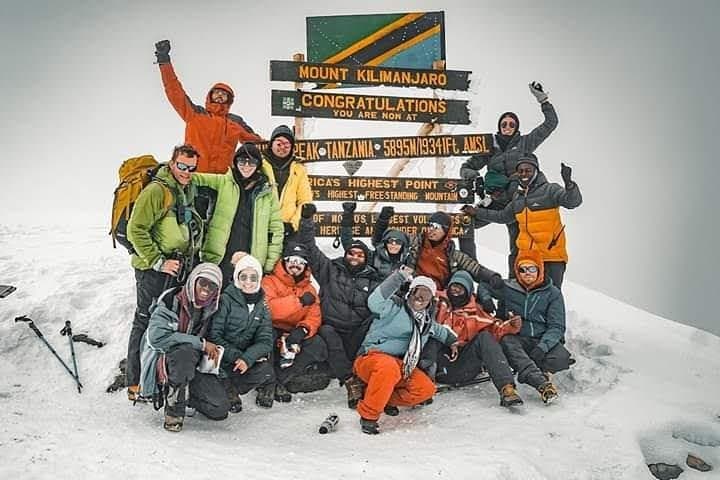
Trek the Machame route to Uhuru Peak across rainforest, moorland and alpine desert. This six-day itinerary balances acclimatization with dramatic scenery and requires solid fitness and cold-weather gear for the summit push.
Trek the Machame route to Uhuru Peak across rainforest, moorland and alpine desert. This six-day itinerary balances acclimatization with dramatic scenery and requires solid fitness and cold-weather gear for the summit push.
Night silence on the lower slopes gives way to the chatter of porters and the drip of dew as you step off the road at Machame Gate. The forest swallows the path, trunks slick with moss, and the trail threads upward through shifting habitats — montane forest into moorland, then a lunar sweep of alpine desert. By the time you reach Barafu, wind and altitude sharpen every sense; the summit push at midnight turns crampon-scraping effort into a sunrise that rearranges the world.
Verified experiences and guided adventures in the surrounding area.
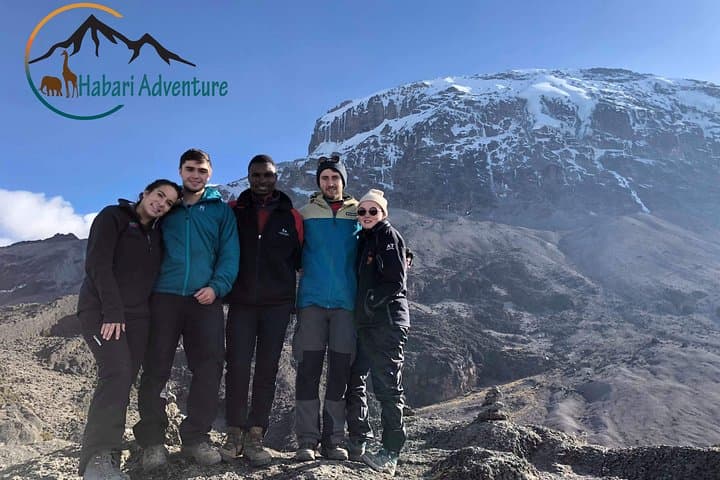
Operated by Habari Adventure · Moshi, Kilimanjaro Region
Night silence on the lower slopes gives way to the chatter of porters and the drip of dew as you step off the road at Machame Gate. The forest swallows the path, trunks slick with moss, and the trail threads upward through shifting habitats — montane forest into moorland, then a lunar sweep of alpine desert. By the time you reach Barafu, wind and altitude sharpen every sense; the summit push at midnight turns crampon-scraping effort into a sunrise that rearranges the world.
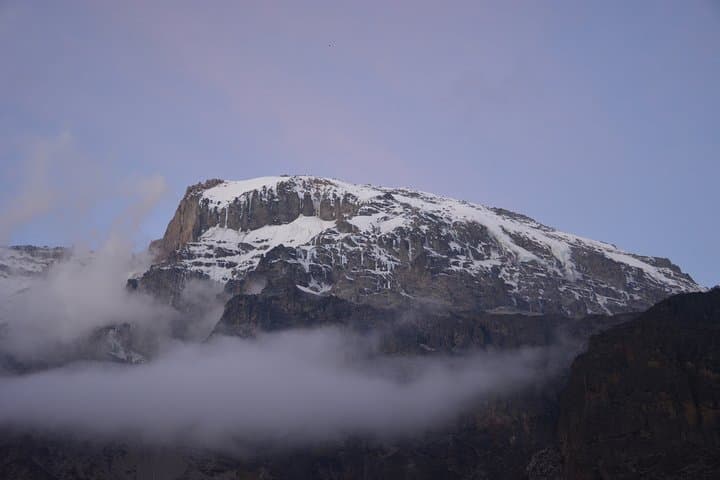
Kilimanjaro is a dormant stratovolcano with three volcanic cones; the Machame route approaches Kibo from the south-west and is prized for scenic variety and a strong acclimatization profile. The Chagga people have farmed the lower slopes for centuries — coffee and banana terraces mark the drive to the gate — and giant groundsels and lobelias are signature plants of the high moorland.
Practically, the Machame itinerary spreads ascent to aid acclimatization, uses campsites (Machame, Shira, Baranco, Barafu, Millennium, Mweka), and demands good aerobic conditioning more than technical climbing skills. Expect 6 days on trail, long summit-night hours, and temperatures from warm in the forest to well below freezing above 4,500 m.
Plan for layered insulation, reliable waterproofs, headlamp and spare batteries, and a sleeping bag rated for sub-zero. Hydrate and pace on long scree sections; listen to your guide about altitude symptoms. With preparation, the Machame route offers a challenging, achievable climb to Uhuru Peak and a vivid cross-section of Kilimanjaro’s ecology and human landscape.
No technical climbing skills are required; the route is non-technical trekking, but it demands strong fitness and high-altitude tolerance.
Dry months June–October and January–February offer the most stable conditions and clearer summit views; long and short rains make trails muddier and less predictable.
Acute mountain sickness can occur above 3,000 m; the Machame itinerary builds acclimatization days and guides monitor symptoms—if signs worsen, descent is the primary treatment.
Yes—Kilimanjaro National Park requires permits and climbs must be accompanied by registered guides, porters and cooks provided by licensed operators.
Habari Adventure operates guided outdoor trips and adventures with an emphasis on safety, stewardship, and memorable experiences.
Night silence on the lower slopes gives way to the chatter of porters and the drip of dew as you step off the road at Machame Gate. The forest swallows the path, trunks slick with moss, and the trail threads upward through shifting habitats — montane forest into moorland, then a lunar sweep of alpine desert. By the time you reach Barafu, wind and altitude sharpen every sense; the summit push at midnight turns crampon-scraping effort into a sunrise that rearranges the world.
Night silence on the lower slopes gives way to the chatter of porters and the drip of dew as you step off the road at Machame Gate. The forest swallows the path, trunks slick with moss, and the trail threads upward through shifting habitats — montane forest into moorland, then a lunar sweep of alpine desert. By the time you reach Barafu, wind and altitude sharpen every sense; the summit push at midnight turns crampon-scraping effort into a sunrise that rearranges the world.
Kilimanjaro is a dormant stratovolcano with three volcanic cones; the Machame route approaches Kibo from the south-west and is prized for scenic variety and a strong acclimatization profile. The Chagga people have farmed the lower slopes for centuries — coffee and banana terraces mark the drive to the gate — and giant groundsels and lobelias are signature plants of the high moorland.
Practically, the Machame itinerary spreads ascent to aid acclimatization, uses campsites (Machame, Shira, Baranco, Barafu, Millennium, Mweka), and demands good aerobic conditioning more than technical climbing skills. Expect 6 days on trail, long summit-night hours, and temperatures from warm in the forest to well below freezing above 4,500 m.
Plan for layered insulation, reliable waterproofs, headlamp and spare batteries, and a sleeping bag rated for sub-zero. Hydrate and pace on long scree sections; listen to your guide about altitude symptoms. With preparation, the Machame route offers a challenging, achievable climb to Uhuru Peak and a vivid cross-section of Kilimanjaro’s ecology and human landscape.