THE ADVENTURE COLLECTIVE® · Independent discovery and booking for outdoor travel

A six-day Machame Route climb on Kilimanjaro takes you from rainforest to the arctic rim of Kibo. This practical guide covers daily terrain, altitude strategy and the gear and local know-how you need to summit.
A six-day Machame Route climb on Kilimanjaro takes you from rainforest to the arctic rim of Kibo. This practical guide covers daily terrain, altitude strategy and the gear and local know-how you need to summit.
Night on the trail begins long before the summit push: headlamps blink like distant fireflies as the Machame trail slips from banana farms into the dense rain forest, and the mountain’s bulk rises silently above the canopy. Over six days you move through defined ecological belts — rain forest, heath, alpine desert and arctic — each with its own pace and demands.
Verified experiences and guided adventures in the surrounding area.
Operated by Active Planet Safaris · Moshi, Kilimanjaro Region
Night on the trail begins long before the summit push: headlamps blink like distant fireflies as the Machame trail slips from banana farms into the dense rain forest, and the mountain’s bulk rises silently above the canopy. Over six days you move through defined ecological belts — rain forest, heath, alpine desert and arctic — each with its own pace and demands.
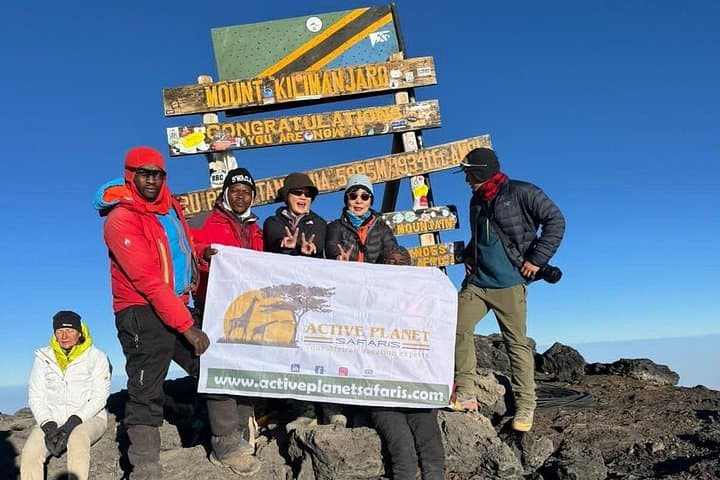
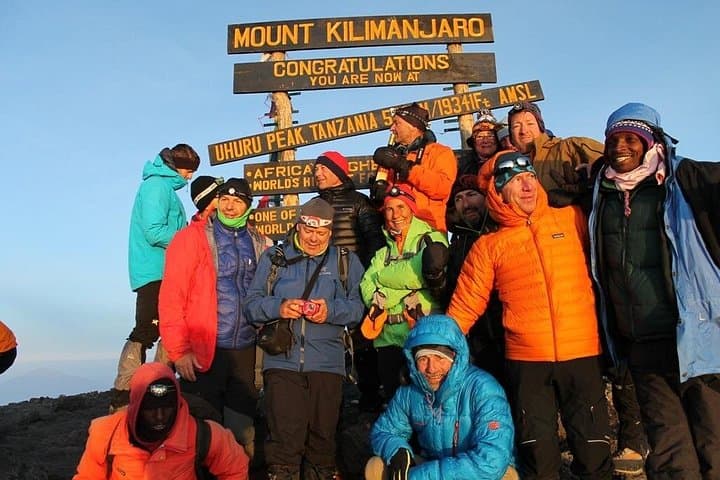
Geology here is blunt and ancient: Kilimanjaro is a dormant volcanic massif made of three cones (Kibo, Mawenzi and Shira), with Uhuru Peak on Kibo the highest point in Africa (5,895 m). The trail passes through Chagga farmland and small villages where local culture meets the mountain’s long climbing history; the first recorded ascent was in the late 19th century and routes like Machame have since become classic acclimatization courses.
Expect steep, rocky ridges to Shira Plateau, the jagged Lava Tower, the brain-scrambly Barranco Wall and the final, wind-scoured scree to Barafu. Distances vary each day (typical segments: 3–8 km with elevation gains up to 1,200 m) and summit night begins around midnight for a sunrise from Stella Point.
Practical guidance: prioritize slow, steady pace for acclimatization, use trekking poles to protect knees on the descent, and layer for extreme temperature swings — daytime sun can be strong while summit conditions are sub-freezing and windy. Hydrate with treated water provided by operators, carry a warm sleeping bag, and trust experienced local guides and porters who manage camps and safety equipment. Permits, rescue fees and respectful behavior toward crews are part of a responsible climb. With preparation and humility the Machame Route rewards persistence with one of the most dramatic high-altitude experiences on the planet.
No technical rock-climbing skills are required, but you must be able to walk long days at altitude and follow rope-protected or steep trail sections under guidance.
Expect sub-zero temperatures and strong winds above 4,500 m; wind chill can make it feel well below -10°C, so a proper down jacket and warm sleeping bag are essential.
Operators often include park permits, fees and Kilimanjaro Rescue in the package—confirm on booking and carry ID for park registration.
AMS is possible at high elevations; the six-day Machame itinerary increases acclimatization but symptoms can still occur—guides monitor climbers and emergency oxygen is typically available.
Active Planet Safaris operates guided outdoor trips and adventures with an emphasis on safety, stewardship, and memorable experiences.
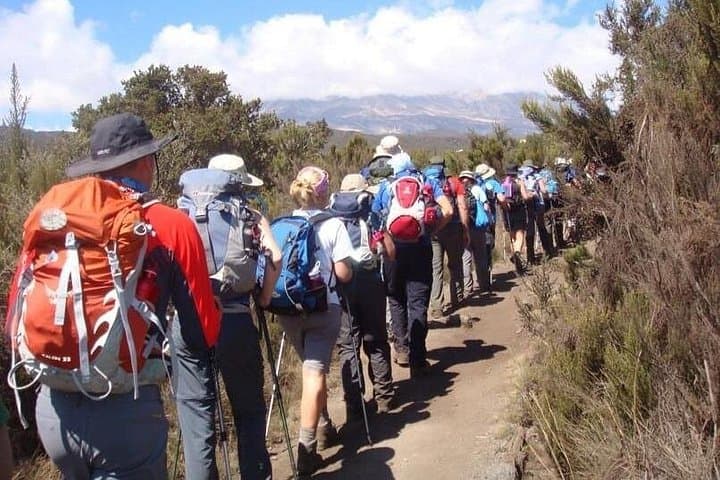
Night on the trail begins long before the summit push: headlamps blink like distant fireflies as the Machame trail slips from banana farms into the dense rain forest, and the mountain’s bulk rises silently above the canopy. Over six days you move through defined ecological belts — rain forest, heath, alpine desert and arctic — each with its own pace and demands.
Night on the trail begins long before the summit push: headlamps blink like distant fireflies as the Machame trail slips from banana farms into the dense rain forest, and the mountain’s bulk rises silently above the canopy. Over six days you move through defined ecological belts — rain forest, heath, alpine desert and arctic — each with its own pace and demands.
Geology here is blunt and ancient: Kilimanjaro is a dormant volcanic massif made of three cones (Kibo, Mawenzi and Shira), with Uhuru Peak on Kibo the highest point in Africa (5,895 m). The trail passes through Chagga farmland and small villages where local culture meets the mountain’s long climbing history; the first recorded ascent was in the late 19th century and routes like Machame have since become classic acclimatization courses.
Expect steep, rocky ridges to Shira Plateau, the jagged Lava Tower, the brain-scrambly Barranco Wall and the final, wind-scoured scree to Barafu. Distances vary each day (typical segments: 3–8 km with elevation gains up to 1,200 m) and summit night begins around midnight for a sunrise from Stella Point.
Practical guidance: prioritize slow, steady pace for acclimatization, use trekking poles to protect knees on the descent, and layer for extreme temperature swings — daytime sun can be strong while summit conditions are sub-freezing and windy. Hydrate with treated water provided by operators, carry a warm sleeping bag, and trust experienced local guides and porters who manage camps and safety equipment. Permits, rescue fees and respectful behavior toward crews are part of a responsible climb. With preparation and humility the Machame Route rewards persistence with one of the most dramatic high-altitude experiences on the planet.