
6-Day Machame Route Kilimanjaro Climb: Summit Uhuru Peak via the Scenic Southern Approach
A six-day ascent of Kilimanjaro via the Machame Route balances steep, scenic days with smart acclimatization. This guide walks you through what the climb actually feels like, the geology and culture of the trail, and the practical gear and pacing that will get you to Uhuru Peak.
An Adventure In Moshi.
A six-day ascent of Kilimanjaro via the Machame Route balances steep, scenic days with smart acclimatization. This guide walks you through what the climb actually feels like, the geology and culture of the trail, and the practical gear and pacing that will get you to Uhuru Peak.
Read the full experience
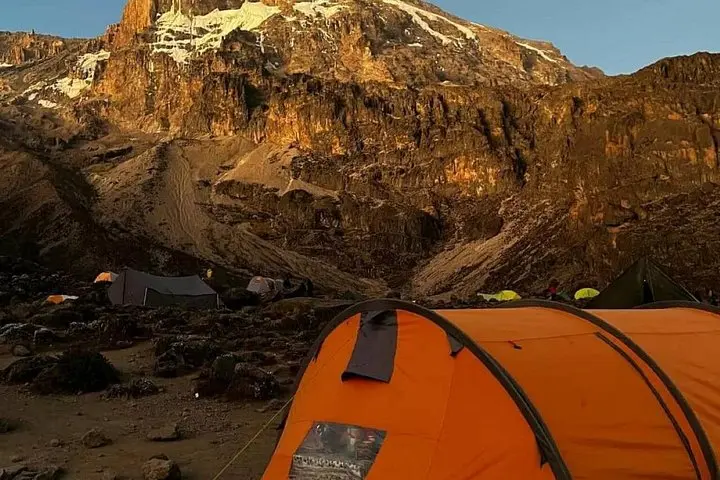
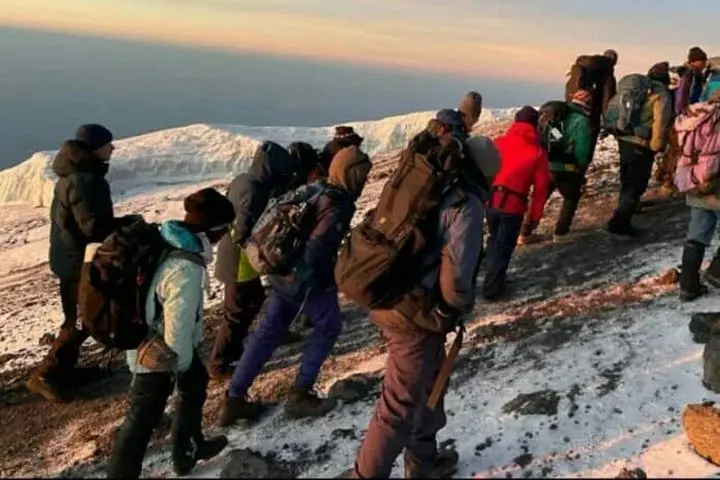
You wake before midnight, the camp lanterns hissing low and the mountain already pulling at the sky. The trail underfoot is a ribbon of dark scree that seems to slope into the stars; ahead, the silhouette of Kibo waits—an uncompromising ridge that will take the next 24 hours to cross. On the Machame Route, each step is negotiated with breath and patience: the forest is dense and humid at lower elevations, then opens into moorland, then pocks into lunar rock and ice. By the time the sun pries the horizon apart on summit morning, you have traded trees for wind and the smell of cooked potatoes for thin, fierce air.
You wake before midnight, the camp lanterns hissing low and the mountain already pulling at the sky. The trail underfoot is a ribbon of dark scree that seems to slope into the stars; ahead, the silhouette of Kibo waits—an uncompromising ridge that will take the next 24 hours to cross. On the Machame Route, each step is negotiated with breath and patience: the forest is dense and humid at lower elevations, then opens into moorland, then pocks into lunar rock and ice. By the time the sun pries the horizon apart on summit morning, you have traded trees for wind and the smell of cooked potatoes for thin, fierce air.
Machame is called the 'Whiskey Route' for its steep, scenic profile. It was developed as an alternative to the older Marangu, offering better acclimatization through longer daily gains and more varied ecology. Geologically, Kilimanjaro is a stratovolcano composed of three cones—Kibo, Mawenzi, and Shira—sculpted by uplift and erosion. The Machame path sweeps up Kibo’s southern flank, moving climbers through the rainforest, heath and moorland, alpine desert and finally the glacial zones near Uhuru Peak.
The region around Moshi hums with Chagga culture. Villages along the mountain have farmed the rich volcanic soil for generations; many of the guides and porters you meet are from those same communities. Conservation here is both practical and cultural: the national park fees support trail maintenance and ranger patrols, and local operators usually employ community porters under regulated guidelines.
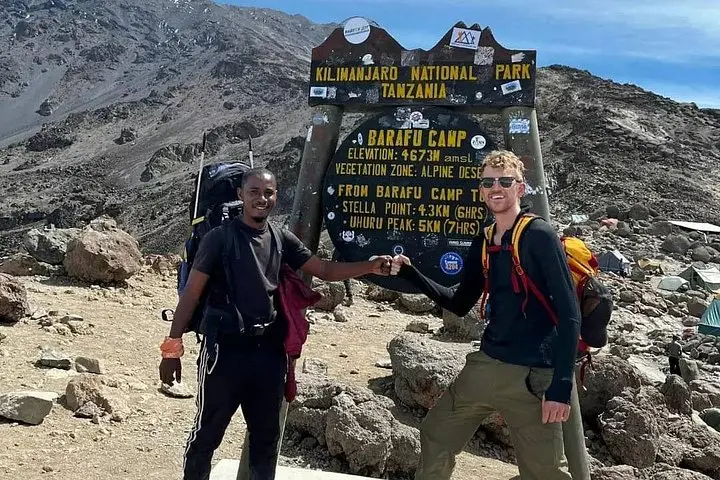
Practical guidance: this is a high-altitude trek with long days and significant elevation gain—5,895 m at the summit. Expect 5–8 hours on approach days and a summit push that can take 8–12 hours round-trip from Barafu. Pace matters: slow uphill, steady breathing, and frequent short breaks reduce acute mountain sickness risk. Hydrate constantly—the provided purified water is a lifeline—and favor layered insulation: temperatures swing from tropical at Machame Gate to well below freezing on summit night.
On logistics, the experience typically begins and ends in Moshi with park fees, tents, meals, and rescue oxygen included by reputable operators. Bring sturdy, broken-in boots for the scree sections, a warm down jacket for night climbs, and trekking poles to protect knees on long descents. Respect the mountain: pack out trash, support fair wages for porters, and give groups space on narrow sections.
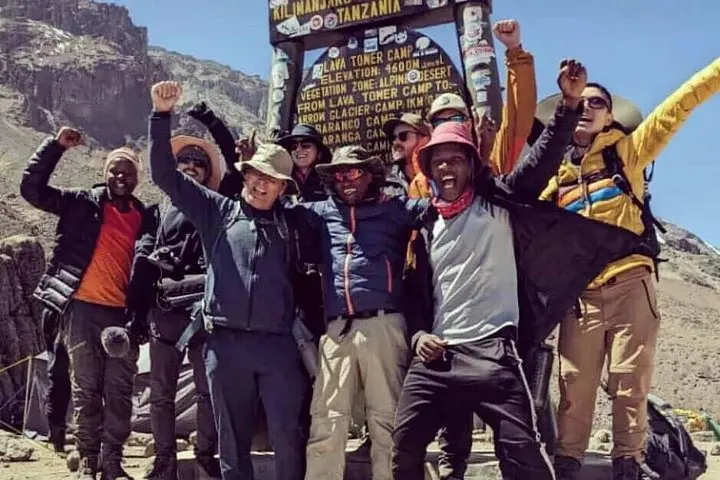
Summiting Kilimanjaro on the Machame Route is less a single heroic act than a sequence of honest choices—walking smart, resting often, and letting the mountain reveal itself in stages. When you finally stand at Uhuru Peak, the continent stretches below like a map, and the effort that delivered you there feels deserved and clear.
Frequently asked questions
Machame is steeper than Marangu but offers better acclimatization than short routes; it’s considered challenging mainly due to daily elevation gains and summit night.
No technical equipment is required—the route is non-technical trekking, but crampons are sometimes useful depending on summit conditions provided by the operator.
Standard travel vaccines for Tanzania plus malaria precautions for lower elevations; consult a travel clinic for personalized advice and altitude medication options like acetazolamide.
Guides monitor symptoms, use conservative pacing, and operators include oxygen and evacuation procedures; communicate symptoms early for prompt response.
Reputable operators include national park fees and rescue oxygen in the package—confirm specifics before booking.
Porters carry the main camp gear and group food; climbers generally carry a daypack with water, snacks, layers, and personal items—confirm porter weight limits with your operator.
About This Experience
Macpace Tours and Safaris operates guided outdoor trips and adventures with an emphasis on safety, stewardship, and memorable experiences.
Adventure tips
Recommended gear
- Sturdy, broken-in hiking boots: Support and grip on wet forest trails and loose scree are essential.
- Warm down jacket (800-fill recommended): Summit night temperatures plunge; a quality down jacket is crucial for safety and comfort.
- Trekking poles: Poles reduce knee strain and improve balance on steep or loose sections.
- 2–3L hydration system + water treatment: Constant hydration and access to purified water keep you functioning at altitude.
Photos of the experience
Related adventures & guides
Read the full experience
You wake before midnight, the camp lanterns hissing low and the mountain already pulling at the sky. The trail underfoot is a ribbon of dark scree that seems to slope into the stars; ahead, the silhouette of Kibo waits—an uncompromising ridge that will take the next 24 hours to cross. On the Machame Route, each step is negotiated with breath and patience: the forest is dense and humid at lower elevations, then opens into moorland, then pocks into lunar rock and ice. By the time the sun pries the horizon apart on summit morning, you have traded trees for wind and the smell of cooked potatoes for thin, fierce air.
You wake before midnight, the camp lanterns hissing low and the mountain already pulling at the sky. The trail underfoot is a ribbon of dark scree that seems to slope into the stars; ahead, the silhouette of Kibo waits—an uncompromising ridge that will take the next 24 hours to cross. On the Machame Route, each step is negotiated with breath and patience: the forest is dense and humid at lower elevations, then opens into moorland, then pocks into lunar rock and ice. By the time the sun pries the horizon apart on summit morning, you have traded trees for wind and the smell of cooked potatoes for thin, fierce air.
Machame is called the 'Whiskey Route' for its steep, scenic profile. It was developed as an alternative to the older Marangu, offering better acclimatization through longer daily gains and more varied ecology. Geologically, Kilimanjaro is a stratovolcano composed of three cones—Kibo, Mawenzi, and Shira—sculpted by uplift and erosion. The Machame path sweeps up Kibo’s southern flank, moving climbers through the rainforest, heath and moorland, alpine desert and finally the glacial zones near Uhuru Peak.
The region around Moshi hums with Chagga culture. Villages along the mountain have farmed the rich volcanic soil for generations; many of the guides and porters you meet are from those same communities. Conservation here is both practical and cultural: the national park fees support trail maintenance and ranger patrols, and local operators usually employ community porters under regulated guidelines.
Practical guidance: this is a high-altitude trek with long days and significant elevation gain—5,895 m at the summit. Expect 5–8 hours on approach days and a summit push that can take 8–12 hours round-trip from Barafu. Pace matters: slow uphill, steady breathing, and frequent short breaks reduce acute mountain sickness risk. Hydrate constantly—the provided purified water is a lifeline—and favor layered insulation: temperatures swing from tropical at Machame Gate to well below freezing on summit night.
On logistics, the experience typically begins and ends in Moshi with park fees, tents, meals, and rescue oxygen included by reputable operators. Bring sturdy, broken-in boots for the scree sections, a warm down jacket for night climbs, and trekking poles to protect knees on long descents. Respect the mountain: pack out trash, support fair wages for porters, and give groups space on narrow sections.
Summiting Kilimanjaro on the Machame Route is less a single heroic act than a sequence of honest choices—walking smart, resting often, and letting the mountain reveal itself in stages. When you finally stand at Uhuru Peak, the continent stretches below like a map, and the effort that delivered you there feels deserved and clear.
Make a day of it nearby.
Verified experiences and guided adventures in the surrounding area.