THE ADVENTURE COLLECTIVE® · Independent discovery and booking for outdoor travel

Follow a six‑day private Machame Route up Mount Kilimanjaro, moving from cloud forest to alpine desert before a midnight summit push to Uhuru Peak. This guide covers route highlights, acclimatization strategy and practical gear for a successful climb.
Follow a six‑day private Machame Route up Mount Kilimanjaro, moving from cloud forest to alpine desert before a midnight summit push to Uhuru Peak. This guide covers route highlights, acclimatization strategy and practical gear for a successful climb.
A low dawn light pushes through dripping canopy as porters move tents like a small, efficient caravan; the forest smells of wet earth and the trail climbs away from Moshi into a world of cloud and stone. On the Machame Route those first hours thread through montane rainforest, then open into heath and moorland, across the wind‑blasted Shira Plateau and toward the jagged profile of Mawenzi and Kibo.
Verified experiences and guided adventures in the surrounding area.
Operated by Kilimanjaro Vikings Adventures · Moshi, Kilimanjaro Region
A low dawn light pushes through dripping canopy as porters move tents like a small, efficient caravan; the forest smells of wet earth and the trail climbs away from Moshi into a world of cloud and stone. On the Machame Route those first hours thread through montane rainforest, then open into heath and moorland, across the wind‑blasted Shira Plateau and toward the jagged profile of Mawenzi and Kibo.
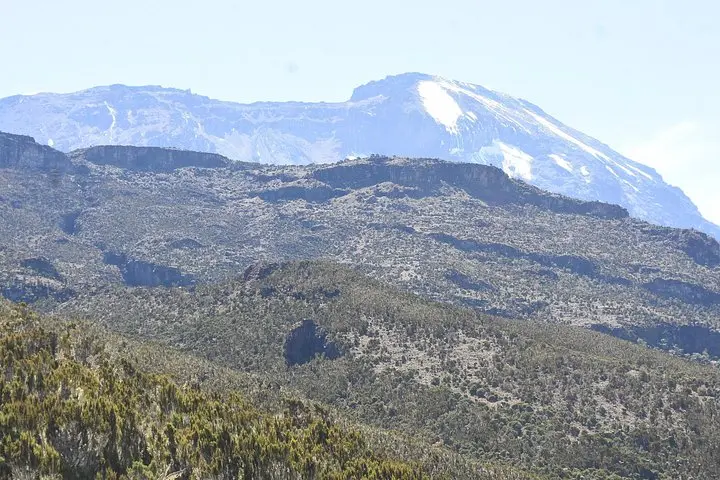
This route follows the mountain’s southwestern flank—one of Kibo’s flanks on a volcanic massif that formed from three cones: Shira, Mawenzi and Kibo. The climb intersects human history too: the slopes are home to the Chagga people whose farms edge the park boundary and whose porter traditions underpin the mountain experience. Glaciers fringe the summit now as slim, dramatic ice on volcanic rock, a visible record of climate change.
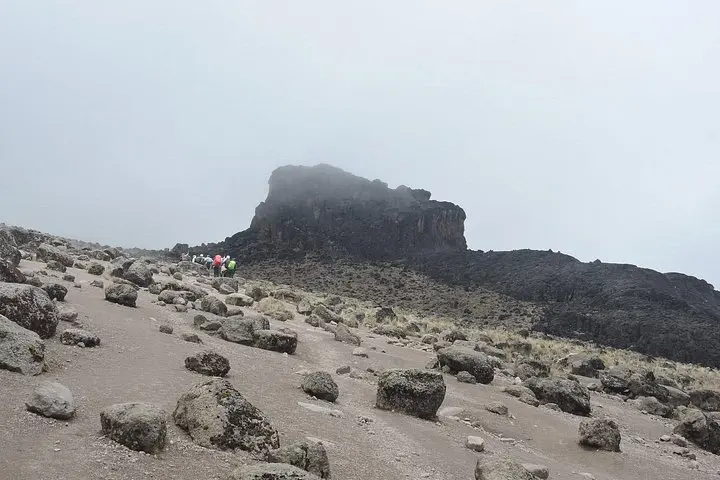
Expect varied terrain: root-strewn rainforest, ericaceous moorland, loose volcanic scree and the steep Barranco Wall. Acclimatization uses natural contours—Lava Tower and gradual camps—to increase summit odds. The final push from Barafu begins near midnight, when the cold and altitude test resolve and the first light reveals Uhuru Peak.
Practical guidance: arrive in Moshi with a few days to rest, carry layered clothing for 20–40°C swings between base and summit, drink often and follow guide-led pacing for altitude management. Permits, rescue fees and oxygen are included in many packages; verify porter welfare and kit standards. Early-season rains can make sections muddy; the fitness demand is sustained rather than technical, but preparation and a respected guide team make the difference between a hard day and a successful summit.
Machame is steeper and more remote than Marangu but offers better acclimatization and scenery; it’s physically demanding but non-technical.
Most private Machame tours include park entry, camping and rescue fees—confirm the operator’s breakdown before booking.
June–October and late December–February are the most popular dry windows; shoulder seasons are possible but bring more rain.
Pacing, gradual altitude gain, proper gear, hydration and an experienced guide team matter more than speed; adding an extra acclimatization day improves success rates.
Kilimanjaro Vikings Adventures operates guided outdoor trips and adventures with an emphasis on safety, stewardship, and memorable experiences.
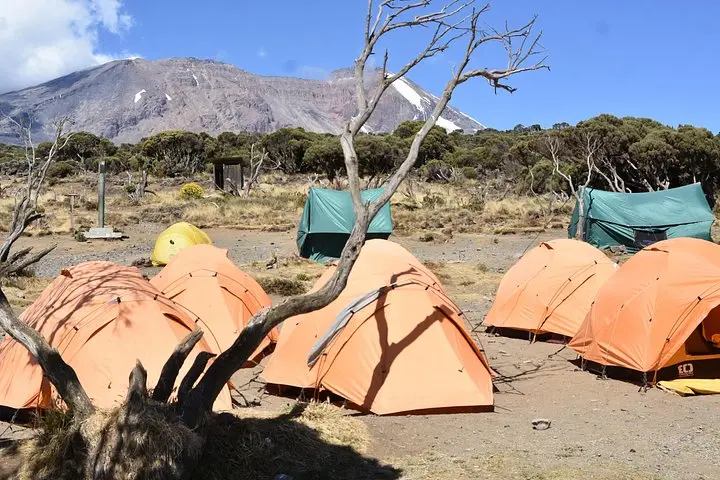
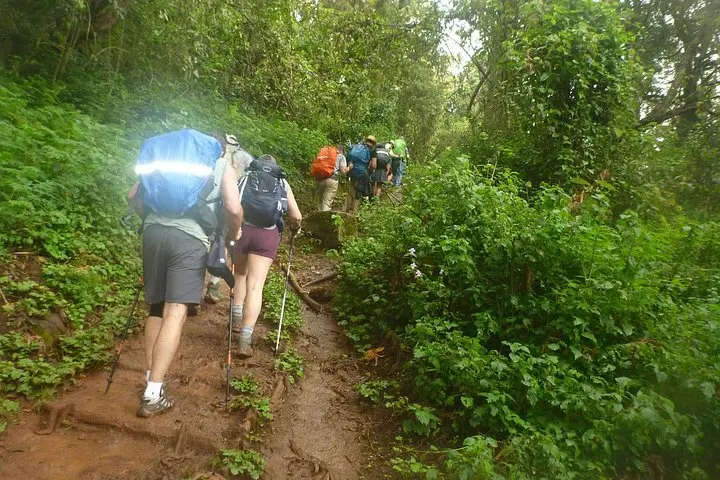
A low dawn light pushes through dripping canopy as porters move tents like a small, efficient caravan; the forest smells of wet earth and the trail climbs away from Moshi into a world of cloud and stone. On the Machame Route those first hours thread through montane rainforest, then open into heath and moorland, across the wind‑blasted Shira Plateau and toward the jagged profile of Mawenzi and Kibo.
A low dawn light pushes through dripping canopy as porters move tents like a small, efficient caravan; the forest smells of wet earth and the trail climbs away from Moshi into a world of cloud and stone. On the Machame Route those first hours thread through montane rainforest, then open into heath and moorland, across the wind‑blasted Shira Plateau and toward the jagged profile of Mawenzi and Kibo.
This route follows the mountain’s southwestern flank—one of Kibo’s flanks on a volcanic massif that formed from three cones: Shira, Mawenzi and Kibo. The climb intersects human history too: the slopes are home to the Chagga people whose farms edge the park boundary and whose porter traditions underpin the mountain experience. Glaciers fringe the summit now as slim, dramatic ice on volcanic rock, a visible record of climate change.
Expect varied terrain: root-strewn rainforest, ericaceous moorland, loose volcanic scree and the steep Barranco Wall. Acclimatization uses natural contours—Lava Tower and gradual camps—to increase summit odds. The final push from Barafu begins near midnight, when the cold and altitude test resolve and the first light reveals Uhuru Peak.
Practical guidance: arrive in Moshi with a few days to rest, carry layered clothing for 20–40°C swings between base and summit, drink often and follow guide-led pacing for altitude management. Permits, rescue fees and oxygen are included in many packages; verify porter welfare and kit standards. Early-season rains can make sections muddy; the fitness demand is sustained rather than technical, but preparation and a respected guide team make the difference between a hard day and a successful summit.