THE ADVENTURE COLLECTIVE® · Independent discovery and booking for outdoor travel

Trek the Machame Route over six days to reach Uhuru Peak on Mount Kilimanjaro. This classic south-circuit itinerary combines rainforest, moorland, lava formations and a high-altitude summit push with staged acclimatization.
Trek the Machame Route over six days to reach Uhuru Peak on Mount Kilimanjaro. This classic south-circuit itinerary combines rainforest, moorland, lava formations and a high-altitude summit push with staged acclimatization.
Night on the lower slopes begins with rain and the distant sound of headlamps—your group threads the Machame trail through dripping cloudforest, boots sinking into mud and leaf litter. As days pass the forest gives way to heather and then to the open Shira Plateau, a wide wind-battled bench that feels like the mountain’s lungs. By Lava Tower the air thins and the landscape turns stony and spare; the Barranco Wall rises like a jagged puzzle you must climb around. Barafu sits exposed below Kibo, a cold staging area for the midnight push to Stella Point and Uhuru Peak.
Verified experiences and guided adventures in the surrounding area.
Operated by Mafie Adventures · Moshi, Kilimanjaro Region
Night on the lower slopes begins with rain and the distant sound of headlamps—your group threads the Machame trail through dripping cloudforest, boots sinking into mud and leaf litter. As days pass the forest gives way to heather and then to the open Shira Plateau, a wide wind-battled bench that feels like the mountain’s lungs. By Lava Tower the air thins and the landscape turns stony and spare; the Barranco Wall rises like a jagged puzzle you must climb around. Barafu sits exposed below Kibo, a cold staging area for the midnight push to Stella Point and Uhuru Peak.
Kilimanjaro is a dormant stratovolcano with three cones—Kibo, Mawenzi and Shira—shaped by glacial action and volcanic flows over hundreds of thousands of years. The route follows a classic ecological transect: montane rain forest, moorland with giant groundsels, alpine desert, and final arctic conditions near the summit. The local Chagga people historically farmed the lower slopes; villages and coffee plantations still frame the approach and provide cultural context to the climb.
Practically, this 6-day itinerary averages 5–8 hours on walking days, with summit night beginning between midnight and 2 a.m.; expect total ascent to 19,345 ft (Uhuru). Acclimatization is built into the schedule, but altitude remains the primary risk—move slowly, hydrate, and communicate symptoms to guides. Gear choices matter: solid waterproof boots, layered insulation, gaiters and poles pay off on steep, muddy trails and loose scree. Porters and crew handle camp and cooking; tip sensibly and pack light. Timing your summit for clear weather improves sunrise visibility but remember mountain weather is unpredictable—stay flexible and follow your guide’s lead.
No technical climbing is required—this is a high-altitude trek rather than a glacier or ice climb; guides handle route-finding and safety.
Success depends on acclimatization, fitness, weather and individual response to altitude; Machame’s 6-day plan balances time on the hill for a strong success rate versus shorter itineraries.
Park fees, rescue fees and camping equipment are listed as included in the itinerary, but confirm what is covered before booking and keep copies of permits and receipts.
Hydrate, eat regularly, move slowly, and report symptoms early—guides may adjust pace, rest, or descend; medications like acetazolamide are sometimes recommended after consulting a physician.
Mafie Adventures operates guided outdoor trips and adventures with an emphasis on safety, stewardship, and memorable experiences.
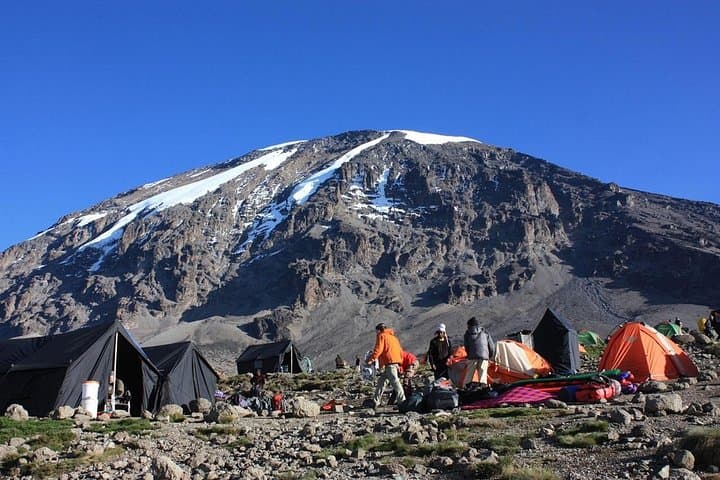


Night on the lower slopes begins with rain and the distant sound of headlamps—your group threads the Machame trail through dripping cloudforest, boots sinking into mud and leaf litter. As days pass the forest gives way to heather and then to the open Shira Plateau, a wide wind-battled bench that feels like the mountain’s lungs. By Lava Tower the air thins and the landscape turns stony and spare; the Barranco Wall rises like a jagged puzzle you must climb around. Barafu sits exposed below Kibo, a cold staging area for the midnight push to Stella Point and Uhuru Peak.
Night on the lower slopes begins with rain and the distant sound of headlamps—your group threads the Machame trail through dripping cloudforest, boots sinking into mud and leaf litter. As days pass the forest gives way to heather and then to the open Shira Plateau, a wide wind-battled bench that feels like the mountain’s lungs. By Lava Tower the air thins and the landscape turns stony and spare; the Barranco Wall rises like a jagged puzzle you must climb around. Barafu sits exposed below Kibo, a cold staging area for the midnight push to Stella Point and Uhuru Peak.
Kilimanjaro is a dormant stratovolcano with three cones—Kibo, Mawenzi and Shira—shaped by glacial action and volcanic flows over hundreds of thousands of years. The route follows a classic ecological transect: montane rain forest, moorland with giant groundsels, alpine desert, and final arctic conditions near the summit. The local Chagga people historically farmed the lower slopes; villages and coffee plantations still frame the approach and provide cultural context to the climb.
Practically, this 6-day itinerary averages 5–8 hours on walking days, with summit night beginning between midnight and 2 a.m.; expect total ascent to 19,345 ft (Uhuru). Acclimatization is built into the schedule, but altitude remains the primary risk—move slowly, hydrate, and communicate symptoms to guides. Gear choices matter: solid waterproof boots, layered insulation, gaiters and poles pay off on steep, muddy trails and loose scree. Porters and crew handle camp and cooking; tip sensibly and pack light. Timing your summit for clear weather improves sunrise visibility but remember mountain weather is unpredictable—stay flexible and follow your guide’s lead.