THE ADVENTURE COLLECTIVE® · Independent discovery and booking for outdoor travel

The Machame route is Kilimanjaro’s scenic, acclimatizing six-day climb—forest tracks, alpine desert, and a midnight push to the crater rim. This guide outlines what to expect on terrain, altitude, logistics, and smart preparation for a better summit chance.
The Machame route is Kilimanjaro’s scenic, acclimatizing six-day climb—forest tracks, alpine desert, and a midnight push to the crater rim. This guide outlines what to expect on terrain, altitude, logistics, and smart preparation for a better summit chance.
You start at Machame Gate with a rain-soaked trail threading into a green cathedral of giant lobelias and moss-draped trunks. The forest hums, the path climbs and opens to moorland where the air thins and the mountain—Mawenzi’s crags and Kibo’s white cap—asks for steadier breathing.
Verified experiences and guided adventures in the surrounding area.
Operated by Great Image Expedition Ltd · Moshi, Kilimanjaro Region
You start at Machame Gate with a rain-soaked trail threading into a green cathedral of giant lobelias and moss-draped trunks. The forest hums, the path climbs and opens to moorland where the air thins and the mountain—Mawenzi’s crags and Kibo’s white cap—asks for steadier breathing.
The Machame (“Whisky”) route was forged as a scenic, acclimatizing ascent that joins Lemosho and Shira lines as it rises toward Lava Tower and Barafu Camp. Geologically Kilimanjaro is a three-coned stratovolcano—Shira, Mawenzi, and Kibo—with Kibo’s summit rim holding the last tropical glaciers in Africa. The Chagga people have farmed the mountain’s fertile lower slopes for centuries and local guides share routes, oral history, and highland coffee culture along the way.
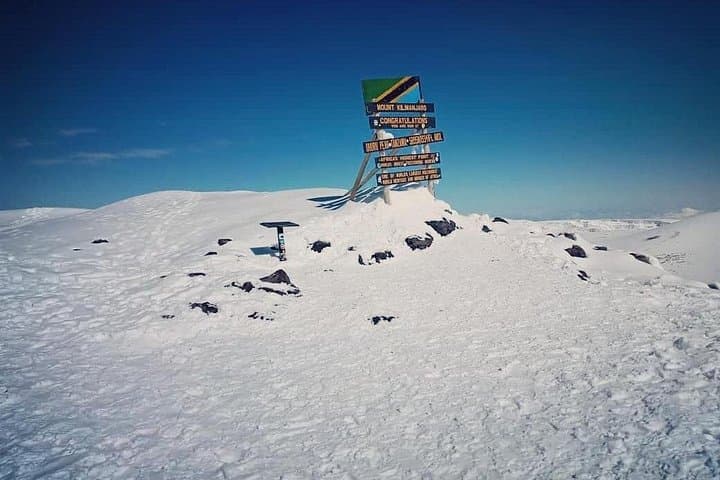
Expect 6 days of varied terrain: dense montane forest, heath and moor, alpine desert, then the final scree and rocky switchbacks to Stella Point and Uhuru Peak. Total ascent from Machame Gate to summit is roughly 4,000–4,200 m with a round-trip distance near 50–65 km depending on exact camps. Altitude, not technical rock climbing, is the main challenge—proper acclimatization days (built into this itinerary) improve summit chances.
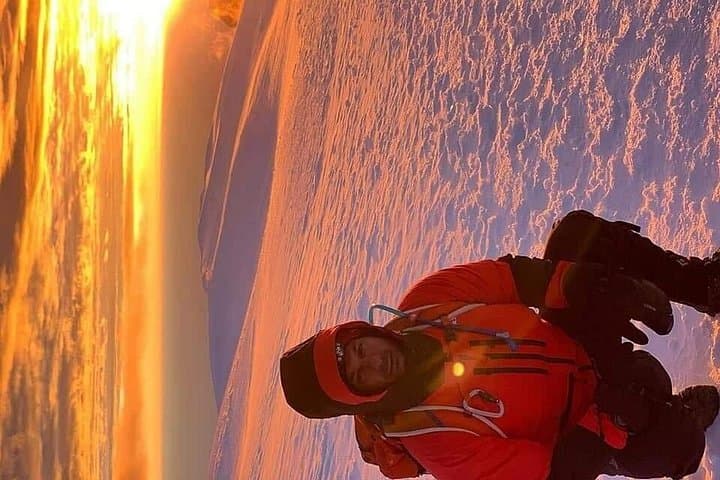
Practical notes: travel with a certified operator, confirm permits and porters are included, carry layered clothing for -10°C to +20°C swings, and hydrate to manage altitude. Night hikes to the summit start around midnight; a steady rhythm and small steps will get you through the final push. Respect park regulations—leave no trace and follow guide instructions for safety and success.
No technical climbing skills are required, but prior multi-day trekking experience and good cardiovascular fitness significantly increase comfort and summit chances.
Climbing Kilimanjaro requires a national park permit, camping fees, and sometimes trekking agency paperwork; certified operators handle permits before departure.
Summit night temperatures commonly range from -5°C to -15°C; wind chill can make it feel colder—bring insulated layers and a warm sleeping bag.
Reputable Machame packages include guides, porters, meals and camping gear; confirm inclusions before booking and follow local tipping customs.
Great Image Expedition Ltd operates guided outdoor trips and adventures with an emphasis on safety, stewardship, and memorable experiences.
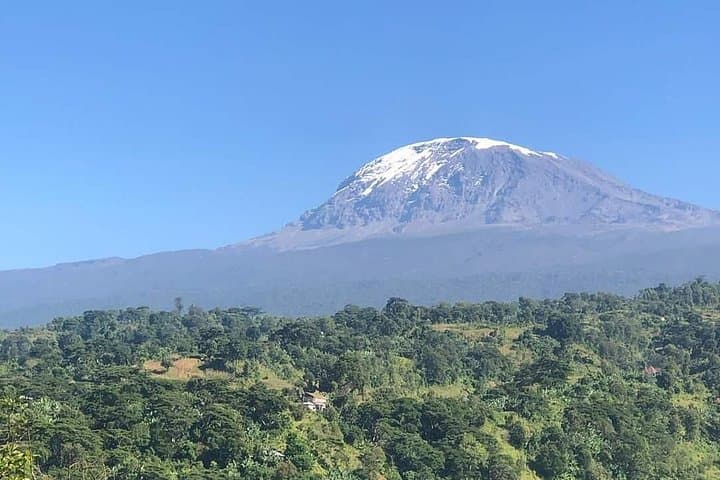

You start at Machame Gate with a rain-soaked trail threading into a green cathedral of giant lobelias and moss-draped trunks. The forest hums, the path climbs and opens to moorland where the air thins and the mountain—Mawenzi’s crags and Kibo’s white cap—asks for steadier breathing.
You start at Machame Gate with a rain-soaked trail threading into a green cathedral of giant lobelias and moss-draped trunks. The forest hums, the path climbs and opens to moorland where the air thins and the mountain—Mawenzi’s crags and Kibo’s white cap—asks for steadier breathing.
The Machame (“Whisky”) route was forged as a scenic, acclimatizing ascent that joins Lemosho and Shira lines as it rises toward Lava Tower and Barafu Camp. Geologically Kilimanjaro is a three-coned stratovolcano—Shira, Mawenzi, and Kibo—with Kibo’s summit rim holding the last tropical glaciers in Africa. The Chagga people have farmed the mountain’s fertile lower slopes for centuries and local guides share routes, oral history, and highland coffee culture along the way.
Expect 6 days of varied terrain: dense montane forest, heath and moor, alpine desert, then the final scree and rocky switchbacks to Stella Point and Uhuru Peak. Total ascent from Machame Gate to summit is roughly 4,000–4,200 m with a round-trip distance near 50–65 km depending on exact camps. Altitude, not technical rock climbing, is the main challenge—proper acclimatization days (built into this itinerary) improve summit chances.
Practical notes: travel with a certified operator, confirm permits and porters are included, carry layered clothing for -10°C to +20°C swings, and hydrate to manage altitude. Night hikes to the summit start around midnight; a steady rhythm and small steps will get you through the final push. Respect park regulations—leave no trace and follow guide instructions for safety and success.